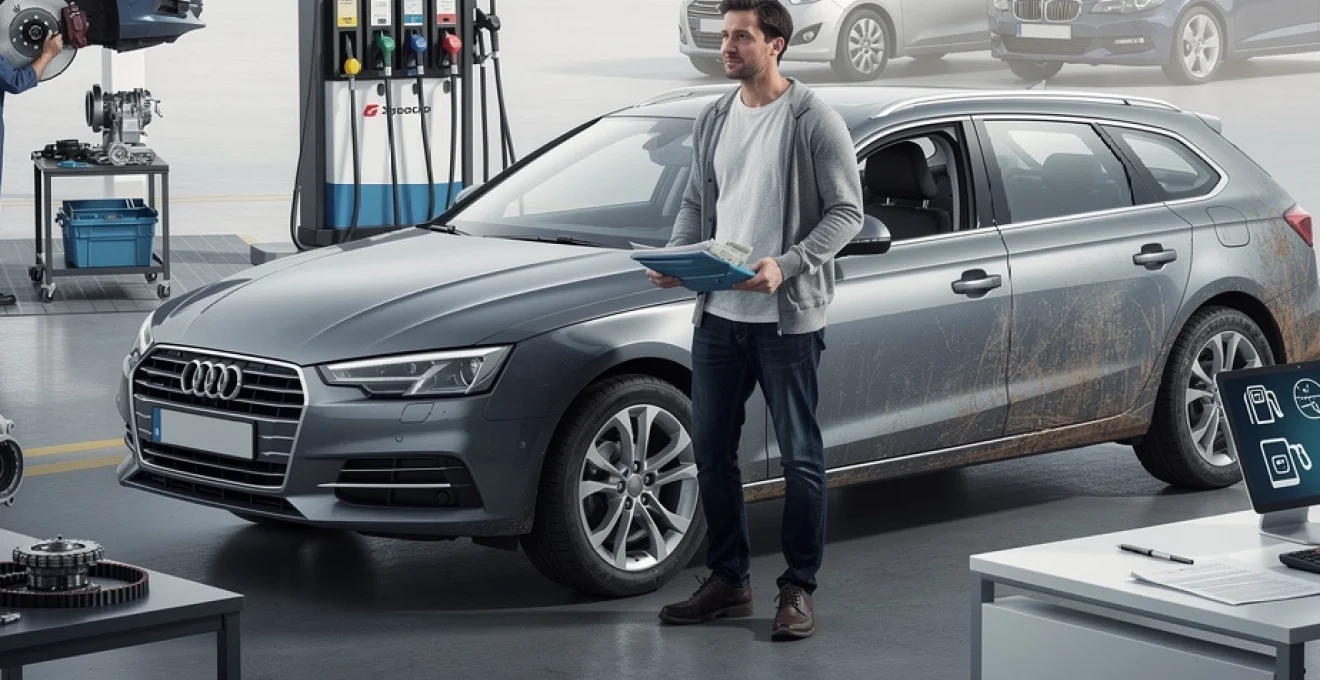
Vehicle ownership extends far beyond the initial purchase price. While the showroom appeal and monthly finance payments capture immediate attention, the true financial commitment reveals itself gradually through a complex web of recurring expenses, unpredictable repairs, and steadily accumulating costs. Understanding these hidden financial obligations transforms ownership from a series of unpleasant surprises into a manageable, predictable investment. Whether you’re considering your first vehicle or reassessing your current ownership costs, recognising the full spectrum of expenses enables more informed decisions and better long-term financial planning.
Depreciation rates and residual value calculations for different vehicle classes
Depreciation represents the single largest cost of vehicle ownership, yet it often receives insufficient attention during the purchasing process. This silent expense erodes value continuously, transforming a £30,000 investment into a £12,000 asset within just five years for many vehicles. The rate at which your vehicle loses value depends substantially on factors including brand reputation, vehicle class, market demand, and prevailing economic conditions. Understanding these depreciation patterns empowers you to make purchasing decisions that minimise long-term financial losses whilst maximising ownership satisfaction.
First-year depreciation impact on luxury saloons versus economy hatchbacks
The initial twelve months of ownership deliver the steepest depreciation curve across virtually all vehicle segments. Luxury saloons typically surrender 30-40% of their purchase price during this period, with premium German marques often experiencing particularly acute value erosion. A £50,000 BMW 5 Series, for instance, might realistically command only £32,000 after twelve months, representing a £18,000 loss despite meticulous care and modest mileage accumulation. This dramatic decline reflects the psychological premium buyers place on “brand new” status and their corresponding reluctance to pay near-original prices for recently registered vehicles.
Economy hatchbacks demonstrate comparatively modest first-year depreciation, typically ranging between 15-25%. A £15,000 Ford Fiesta might retain approximately £12,000 of its value after the first year, losing £3,000—a substantial sum in absolute terms but considerably more favourable proportionally. This resilience stems from stronger used-market demand, lower initial purchase premiums, and broader demographic appeal. For budget-conscious owners, selecting vehicles from this segment substantially reduces the financial penalty of new vehicle ownership whilst maintaining reliable transportation.
Mileage-based depreciation curves for diesel and petrol engines
Annual mileage accumulation exerts profound influence on depreciation trajectories, with the relationship between distance covered and value retention varying significantly between fuel types. Diesel engines traditionally demonstrated superior value retention at higher mileages, reflecting their reputation for longevity and efficiency during extended motorway use. However, recent emissions concerns and proposed diesel restrictions have fundamentally altered this dynamic, with diesel residual values declining more sharply than historical patterns suggested, particularly in urban-focused vehicle segments.
Petrol vehicles now demonstrate increasingly competitive depreciation characteristics, especially at lower and moderate mileages. A petrol-powered vehicle covering 8,000 miles annually typically retains value more effectively than an equivalent diesel model in the current market climate. Beyond 15,000 annual miles, however, diesel engines may still offer marginal advantages for certain commercial and executive segments where long-term durability remains paramount. The depreciation landscape continues evolving as hybrid and electric alternatives reshape buyer preferences and market valuations.
Residual value forecasting using glass’s guide and CAP HPI data
Professional residual value forecasting relies heavily on established industry publications, with Glass’s Guide and CAP HPI providing authoritative predictions based on extensive market analysis and historical data. These resources aggregate auction results, dealer transactions, and market trends to generate forward-looking valuations across various timeframes. Understanding these forecasts before purchasing enables you to select vehicles with superior predicted retention, potentially saving thousands of pounds over a typical ownership period.
These forecasting tools reveal substantial variation between superficially similar vehicles. Two compact SUVs with comparable specifications and purchase prices might exhibit residual value predictions differing by 10-15 percentage points after three years. This disparity translates directly into your financial position when selling or trading the vehicle. Consulting these resources during the purchasing process, particularly when comparing shortlisted options, represents a valuable investment of time that
often goes overlooked by private buyers. While dealers and fleet operators routinely analyse residual value data, individual purchasers rarely do more than glance at future values suggested in finance quotations. By investing a little time in understanding these predictions, you can avoid models expected to lose value rapidly and instead select vehicles whose depreciation aligns with your planned ownership period and mileage profile. If you tend to keep cars for five to seven years, prioritising models with strong long‑term stability will typically outweigh the short‑term appeal of eye‑catching discounts or incentives.
Brand-specific depreciation patterns: Mercedes-Benz versus toyota longevity
Brand reputation exerts a powerful influence on depreciation rates and residual value calculations. Premium marques such as Mercedes-Benz command strong initial prices but can suffer heavier percentage losses during the first three years, particularly for complex, highly specified models. Buyers in the used market may hesitate to assume the cost of maintaining advanced air suspension, extensive infotainment systems, and numerous electronic comfort features, all of which can become expensive liabilities outside the warranty period. As a result, some luxury vehicles that look attractive in the showroom can become surprisingly costly in terms of long‑term value loss.
Toyota, by contrast, has cultivated a reputation for reliability and longevity, especially for hybrid powertrains and straightforward petrol engines. This perceived durability translates into robust demand in the used market, supporting residual values for far longer than many competitors. A seven‑year‑old Toyota with a full service history often retains a larger proportion of its original price than an equivalent‑age Mercedes-Benz, despite the German car’s higher starting figure. For you as an owner, this means that a seemingly modest, dependable vehicle can outperform a prestige model when you eventually sell or part‑exchange, reducing the overall cost of ownership.
It is also worth recognising that brand perception can lag behind engineering reality by several years. Some manufacturers have significantly improved reliability and corrosion protection, yet still carry legacy reputations that depress residual values. Conversely, brands that once enjoyed bulletproof status can suffer from more recent quality issues that have not yet filtered fully into public awareness. Before you commit to a particular badge, reviewing long‑term reliability surveys and cross‑checking them against residual forecasts can reveal whether the premium you are paying today is likely to be sustained, or eroded, in the years ahead.
Unscheduled maintenance and component failure costs beyond warranty periods
Once the manufacturer’s warranty expires, unscheduled maintenance becomes one of the most unpredictable hidden costs of owning a vehicle over time. While routine servicing can be budgeted for with relative ease, sudden component failures introduce volatility into your motoring expenses and can quickly undermine any perceived savings from a low purchase price. Modern vehicles are more reliable in many respects than their predecessors, yet they are also significantly more complex, with intricate electronics, emissions systems, and high‑pressure fuel delivery components that can fail unexpectedly. Understanding which parts are most likely to cause problems allows you to plan ahead, select appropriate extended warranties, or build realistic contingency funds.
Cambelt and timing chain replacement intervals and associated labour costs
The timing system is a critical element of any internal combustion engine, synchronising piston movement with valve operation. Many engines use a cambelt (timing belt), typically made from reinforced rubber, which requires replacement at fixed mileage or time intervals—often every 60,000 to 100,000 miles or every five to seven years, whichever comes first. Ignoring these intervals can be catastrophic: if the belt snaps, valves and pistons can collide, resulting in engine damage that often exceeds the market value of an older vehicle. In this context, the cost of a scheduled cambelt replacement, while not insignificant, is minor compared with the potential consequences of failure.
Labour costs for cambelt replacement vary considerably between models. On some simple engines, an independent garage might perform the work for £350‑£500 including parts; on complex transverse engines in cramped engine bays, the bill can easily exceed £800 at a main dealer. Many manufacturers also insist on replacing the water pump and tensioners simultaneously, adding to the parts bill but reducing the risk of related failures shortly afterwards. When evaluating a used vehicle, you should always ask for documented evidence of cambelt changes and factor imminent replacements into your negotiating position, as an overdue belt represents a tangible, near‑term expense.
Timing chains are often marketed as “lifetime” components, leading many buyers to assume they are maintenance‑free. In practice, chains can stretch or suffer from worn tensioners, especially in engines that have experienced infrequent oil changes or poor‑quality lubricants. Symptoms such as rattling on cold start or dashboard fault codes may indicate an impending chain replacement, which can be even more labour‑intensive and expensive than a cambelt job. Some modern small‑capacity turbo engines have developed reputations for premature chain issues, so researching known weak points and maintenance requirements before purchase is a prudent step if you wish to avoid a four‑figure repair bill a few years down the line.
Dual mass flywheel failure rates in manual transmission vehicles
Many modern manual transmission vehicles are equipped with a dual mass flywheel (DMF), designed to smooth out engine vibrations and enhance refinement at low speeds. While effective in improving driving comfort, the DMF introduces another potential failure point into the drivetrain. Over time, especially in vehicles subjected to frequent stop‑start urban driving or heavy towing, the internal springs and damping mechanisms can wear out, leading to juddering, rattling noises, or difficulty engaging gears. Once these symptoms appear, replacement is usually the only viable long‑term solution, as attempting to nurse a failing DMF often results in further clutch and gearbox damage.
The expense associated with a DMF failure stems from both parts and labour. Because the gearbox must be removed to access the flywheel, technicians typically recommend replacing the clutch assembly at the same time, even if it is not yet completely worn. On many family cars, this combined job can cost between £800 and £1,500 at a reputable workshop, and significantly more on larger or more complex vehicles. Owners who cover high annual mileages, drive heavily loaded vehicles, or spend much of their time in congested city traffic should therefore budget for at least one clutch and DMF replacement during a typical ownership lifecycle.
Some buyers seek to avoid these hidden costs by opting for vehicles with simpler solid flywheel designs, particularly in small city cars and certain older models. However, this trade‑off may come with increased vibration and slightly reduced comfort. If you are considering a used manual vehicle fitted with a DMF, pay close attention during the test drive for any clutch slip or drivetrain noise and review the service history for previous replacements. Understanding the likely lifespan of these components for your specific usage pattern allows you to decide whether the driving refinement justifies the potential cost. In many ways, a DMF is like a sophisticated pair of shock absorbers for your drivetrain: wonderfully effective when new, but ultimately a consumable item rather than a permanent fixture.
Turbocharger degradation and replacement expenses in turbocharged engines
Turbocharging has become almost universal across modern petrol and diesel engines, enabling manufacturers to extract more power and torque from smaller capacities while meeting strict emissions standards. A turbocharger operates in a harsh environment, spinning at up to 200,000rpm and enduring extreme temperatures. While many turbos last the life of the vehicle when properly maintained, poor servicing, infrequent oil changes, and repeated hot shut‑downs can all accelerate wear. Over time, bearings may degrade, seals can leak, and turbine wheels may suffer damage from foreign objects or carbon build‑up, leading to reduced performance, excessive smoke, or whistling noises.
When a turbocharger does fail, the cost of replacement can be substantial. A brand‑new original equipment unit for a mainstream family car may cost £800‑£1,200, and with labour, gaskets, and fresh oil, total bills of £1,500‑£2,000 are not unusual at franchised dealers. For higher‑end vehicles or twin‑turbo configurations, the figures rise further. Reconditioned units can reduce the expense, but they must be sourced from reputable specialists to avoid repeat failures. Additionally, underlying issues such as blocked oil feed pipes or crankcase ventilation problems must be addressed simultaneously, or the new turbo may suffer premature damage.
The best defence against unexpected turbocharger costs is preventative maintenance. Observing manufacturer service intervals—or shortening them if you undertake many short trips—helps maintain oil quality and lubrication. Allowing the engine to idle briefly after sustained high‑load driving gives the turbo a chance to cool, reducing thermal stress. If you are shopping for a used turbocharged car, especially a high‑performance or heavily tuned model, it is worth obtaining a professional inspection and, if possible, reviewing diagnostic data for over‑boost or under‑boost fault codes. Approached thoughtfully, turbocharged engines can deliver efficient, enjoyable performance without breaking your budget, but neglect quickly turns this technical marvel into a very expensive surprise.
Electronic parking brake module failures and diagnostic costs
Electronic parking brakes (EPBs) have replaced traditional handbrakes in many modern vehicles, freeing up cabin space and enabling automatic hill‑hold and convenience features. However, this added sophistication brings additional failure modes and diagnostic complexity. EPB systems rely on electric motors, control modules, sensors, and wiring looms, any of which can suffer faults from water ingress, corrosion, worn actuators, or software glitches. A simple mechanical cable that could once be adjusted or replaced inexpensively now requires specialist diagnostic tools and, in some cases, control unit programming.
When an EPB malfunctions, owners often encounter dashboard warning lights, inability to release the brake, or intermittent operation. Repair costs vary widely: a straightforward caliper‑mounted motor replacement might cost £300‑£500 including labour, whereas failure of a central control unit or wiring harness can push bills beyond £1,000. Because these systems are safety‑critical, most garages will insist on resolving underlying issues rather than temporarily bypassing the electronics. As vehicles age, EPB faults are becoming increasingly common in the used market, and they represent a classic example of how convenience technology can evolve into a hidden cost over time.
To reduce the risk of EPB issues, regular servicing of the rear brake components and periodic use of the system—as opposed to leaving cars stored for prolonged periods with the brake engaged—can be beneficial. When considering an older vehicle equipped with an electronic parking brake, test its operation repeatedly on a test drive and check for any historic codes if a diagnostic report is available. Factoring in a potential EPB repair when budgeting for ownership, particularly beyond the seven‑ to ten‑year mark, can prevent an unwelcome shock later, much like setting aside funds for a boiler replacement in a home with ageing heating infrastructure.
Consumable items and wear-related expenditure accumulation
Beyond large mechanical failures, the steady drip of consumable items forms a significant portion of the hidden costs of owning a vehicle over time. Individually, items such as brake pads, tyres, wiper blades, and fluids may appear inexpensive, yet their cumulative effect across several years can rival, or even exceed, more headline‑grabbing expenses. The rate at which these components require replacement depends heavily on your driving style, environment, and mileage. Aggressive acceleration, heavy braking, and poor road surfaces all accelerate wear, while gentle motorway driving tends to be significantly kinder on consumables.
Brake disc and pad replacement frequency based on driving patterns
The braking system is one of the most safety‑critical assemblies on your vehicle and naturally subject to gradual wear. Brake pads are designed as sacrificial components, pressing against the discs to slow the car and slowly wearing down in the process. In predominantly urban driving, with frequent stop‑start traffic and short journeys, front pads on a typical family hatchback may require replacement every 20,000‑25,000 miles, with discs needing renewal every second pad change. In contrast, a driver who covers mainly motorway distances at steady speeds may see pads last 40,000 miles or more, with discs stretching well beyond 70,000 miles under gentle use.
Costs vary according to vehicle size, performance level, and whether you choose main dealer servicing or independent specialists. For common models, a front pad and disc replacement at an independent garage might cost £250‑£400, whereas high‑performance vehicles with larger, ventilated, or composite brakes can command double or triple that figure. Rear brakes are often slightly cheaper, but many modern cars use integrated electronic parking brake calipers, which can increase labour time. When assessing long‑term ownership costs, it is sensible to assume at least one full set of front and rear brake replacements every 40,000‑60,000 miles and to adjust that estimate if your driving is particularly heavy or light.
Adopting smoother driving habits not only enhances comfort for passengers but also prolongs brake life and reduces these hidden costs. Anticipating traffic, maintaining safe following distances, and allowing the car to decelerate gradually rather than relying heavily on last‑moment braking can add thousands of miles to your pad and disc lifespan. In hybrid and electric vehicles, regenerative braking systems recapture energy and significantly reduce mechanical brake wear, but even these setups still require periodic inspection and replacement due to corrosion and ageing. Whatever you drive, treating the brake system as a planned, recurring expense rather than an occasional emergency repair will leave your budget in a far healthier state.
Tyre wear rates and premium brand versus budget brand longevity
Tyres form the only contact points between your vehicle and the road, influencing grip, braking distance, fuel efficiency, and ride comfort. As such, tyre condition and quality are critical to both safety and cost of ownership. Typical front‑wheel‑drive cars wear front tyres more quickly, often requiring replacement every 18,000‑25,000 miles under mixed driving, while rear tyres may last significantly longer. High‑performance vehicles, heavy SUVs, and drivers who accelerate aggressively or take corners at speed will experience shorter tyre life, sometimes as low as 10,000‑12,000 miles on the driven axle.
When choosing replacement tyres, you face a trade‑off between upfront cost and longevity. Premium brands such as Michelin, Continental, and Bridgestone can cost 30‑50% more per tyre than budget alternatives, but they frequently last longer and offer better wet‑weather grip and shorter stopping distances. Over a four‑year period, a set of premium tyres that cover 25,000 miles before replacement may work out cheaper per mile than budget tyres that require renewal at 15,000 miles, even before considering the added safety margin. For many owners, the hidden cost of cheaper rubber lies not only in more frequent replacement but also in increased fuel consumption and reduced confidence in adverse conditions.
Wheel alignment and tyre pressure management also play crucial roles in wear rates and overall running costs. Misaligned suspension can scrub the inside or outside edges of tyres, halving their lifespan and necessitating premature replacement. Regular alignment checks, particularly after hitting potholes or kerbs, and maintaining pressures at manufacturer‑recommended levels both extend tyre life and improve fuel efficiency. When budgeting for vehicle ownership, you should assume a complete set of tyres every two to three years for average mileage, adjusting that estimate based on your specific driving profile and tyre choices.
Air conditioning refrigerant recharging and compressor maintenance
Air conditioning was once a luxury feature but is now standard on nearly all modern vehicles, and its upkeep adds another subtle layer to long‑term ownership costs. Over time, refrigerant gas slowly escapes through microscopic leaks in seals and pipework, leading to reduced cooling performance. Most manufacturers recommend an air conditioning service or re‑gas every two to three years, although many owners delay this until they notice that the system is no longer keeping the cabin comfortable. A basic re‑gas typically costs £70‑£120, but more thorough services that include leak detection, antibacterial treatments, and cabin filter replacement are more expensive.
Neglecting the air conditioning system can have consequences beyond a warm interior on hot days. A system that is low on refrigerant can cause the compressor to work harder, increasing wear and raising the risk of premature failure. Replacing a failed compressor, along with the necessary flushing, drier replacement, and re‑gassing, can easily cost £600‑£1,000, turning what might have been a modest maintenance outlay into a major repair. In addition, a poorly maintained system can develop unpleasant odours as moisture and bacteria accumulate on the evaporator, requiring professional cleaning.
To keep air conditioning costs under control, it is wise to run the system regularly throughout the year, even in winter, as this helps keep seals lubricated and reduces the likelihood of leaks. Replacing the cabin filter at recommended intervals not only improves air quality but also reduces strain on the blower motor and evaporator. When purchasing a used vehicle, check that the air conditioning produces cold air quickly and consistently, and inquire about any recent services or repairs. Treating the air conditioning system with the same respect as the engine or brakes ensures that comfort does not silently erode your motoring budget.
Insurance premium fluctuations and group rating implications
Insurance premiums represent an unavoidable annual cost of vehicle ownership, yet their long‑term behaviour can be surprisingly volatile. Beyond your personal circumstances—age, driving history, location, and claims record—the vehicle’s insurance group rating plays a significant role in determining how much you pay each year. Insurance groups, typically numbered from 1 to 50 in the UK, reflect the insurer’s assessment of repair costs, performance potential, security features, and historical claims data for a given model. A car in group 35 will almost always attract higher premiums than a comparable vehicle in group 12, even if their purchase prices are similar.
What many owners overlook is how these premiums can change over time as the car ages. In some cases, older vehicles move into specialist classic schemes with lower annual costs, but for most everyday cars, premiums may actually rise as they become more attractive to thieves or more expensive to repair due to limited parts availability. Additionally, industry‑wide factors—such as rising labour rates, increased cost of spare parts, or legislative changes—can push average premiums upwards, even if your personal risk profile remains unchanged. From 2022 to 2024, for example, many drivers saw double‑digit percentage increases in premiums largely unrelated to their own driving behaviour.
To manage these insurance‑related hidden costs, you should review quotations annually rather than allowing policies to auto‑renew without scrutiny. Shopping around, adjusting voluntary excess levels, and considering telematics or “black box” policies can all produce meaningful savings. If you are in the market for a new or used vehicle, checking its insurance group in advance can prevent unpleasant surprises; two visually similar small SUVs might sit six or seven groups apart, equating to hundreds of pounds per year in premium difference. Over a five‑year ownership period, that gap compounds into a substantial sum, rivaling the impact of fuel economy variations or minor differences in depreciation.
Fuel efficiency degradation and real-world consumption versus WLTP figures
Official fuel economy figures, typically measured under the Worldwide Harmonised Light Vehicle Test Procedure (WLTP), provide a useful benchmark when comparing models. However, they rarely reflect real‑world driving conditions perfectly. Factors such as driving style, journey length, traffic congestion, ambient temperature, and vehicle loading can all cause actual consumption to deviate by 10‑30% from official ratings. Over tens of thousands of miles, that discrepancy translates into a significant, often overlooked cost, especially for high‑mileage drivers. When you calculate the total cost of vehicle ownership, basing your fuel budget solely on brochure figures can leave you short.
Moreover, fuel efficiency tends to degrade gradually as the vehicle ages. Components such as oxygen sensors, injectors, spark plugs, and particulate filters can lose efficiency, while carbon deposits accumulate in intake tracts and on valves. Tyres with higher rolling resistance, under‑inflation, roof boxes, and unnecessary clutter in the boot all contribute to additional drag and weight, pushing consumption higher. On a car that once averaged 50mpg when new, it is not uncommon to see that figure fall into the low 40s after several years of mixed usage and less‑than‑perfect maintenance, adding hundreds of pounds per year to your fuel bill.
To align your expectations with reality, it is helpful to treat WLTP numbers as optimistic best‑case scenarios and instead base budgeting on owner‑reported figures from independent sources and forums. Many drivers find that real‑world fuel economy sits around 10‑15% below official ratings for petrol cars and sometimes slightly closer for diesels on long motorway journeys. Regular servicing, timely replacement of filters and spark plugs, and maintaining correct tyre pressures can all slow the rate of efficiency decline. Adopting smoother driving techniques—such as gentle acceleration and anticipating traffic flow—further narrows the gap between official and actual figures, keeping the hidden cost of extra fuel within manageable bounds.
Vehicle excise duty changes and emission-based taxation trajectories
Vehicle Excise Duty (VED), or road tax, has evolved significantly over the past two decades, shifting from simple engine‑size bands to more complex CO₂‑based and list price‑based regimes. For many owners, this tax is a relatively small annual line item, but changes in government policy can alter the picture over the lifespan of a vehicle. Cars that were once exempt or very cheap to tax under a previous emissions banding may become more expensive under revised rules, particularly as authorities seek to encourage low‑emission vehicles and penalise older, more polluting models. When you plan to keep a vehicle for ten years or more, these policy shifts can represent a meaningful, if slow‑burning, hidden cost.
In the UK, for example, cars registered after April 2017 are subject to a standard flat VED rate after the first year, with an additional supplement for vehicles costing over £40,000 when new during their first five years on the road. This means that a high‑value car, even if relatively efficient, can incur several hundred pounds of extra tax annually for half of your typical ownership period. Meanwhile, some older low‑CO₂ petrol and diesel cars still benefit from very low annual rates based on historic bandings, illustrating how the date of first registration can be just as important as the emissions figure itself when calculating tax liabilities over time.
Future policy trajectories increasingly favour electric vehicles and ultra‑low‑emission models, with many governments signalling intentions to adjust VED structures as EV adoption grows. While current incentives and exemptions can make electric cars appear very attractive from a tax perspective, it is reasonable to anticipate that, over time, authorities may introduce new forms of road usage charging or revise VED to compensate for declining fuel duty revenues. As a result, relying solely on today’s ultra‑low tax bills when projecting decades‑long ownership costs may prove optimistic. A balanced approach involves recognising current savings while remaining aware that taxation is a moving target, influenced by environmental priorities and fiscal pressures.
To navigate these complexities, you should check the specific VED rules that apply to the registration year and emissions profile of any vehicle you are considering, and then model how those costs might change under plausible future scenarios. Asking questions such as “What if low‑emission discounts were halved?” or “How would a congestion charge expansion affect my commute?” helps reveal the longer‑term picture. Just as depreciation quietly erodes the value of your asset, incremental tax changes can gradually inflate the annual cost of keeping that asset on the road. Staying informed about proposed legislative changes and factoring them into your budgeting process transforms road tax from a surprise expense into a predictable, controllable element of vehicle ownership.