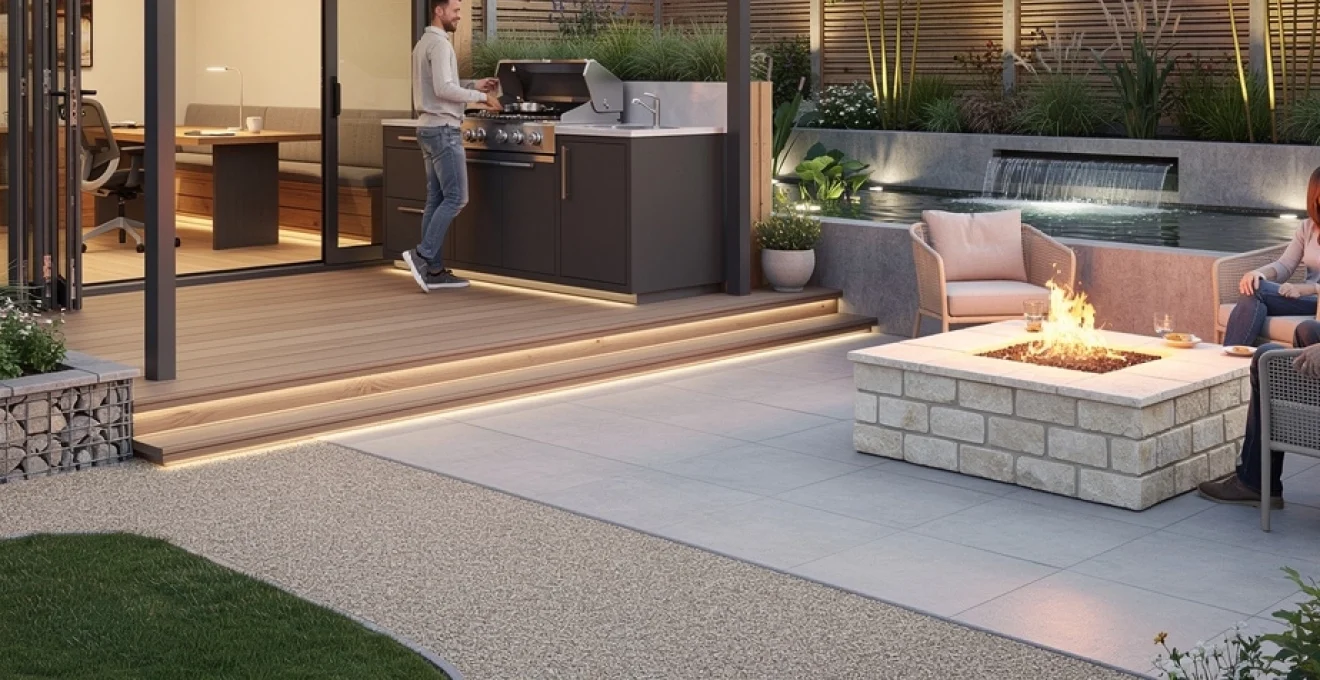
The transformation of outdoor spaces has evolved far beyond simple garden maintenance and basic patio installations. Today’s homeowners are investing in sophisticated outdoor renovations that seamlessly extend their interior living areas into thoughtfully designed exterior environments. These renovations represent a fundamental shift in how we perceive and utilise outdoor spaces, moving from seasonal additions to year-round functional extensions of the home.
Modern outdoor living space design incorporates advanced materials, smart technology integration, and multi-functional structures that provide comfort, convenience, and aesthetic appeal throughout all seasons. The focus has shifted towards creating outdoor rooms that offer the same level of sophistication and functionality as interior spaces, complete with heating systems, weather protection, and integrated lighting solutions.
The investment in outdoor renovation projects has shown remarkable returns, with property values increasing significantly when outdoor spaces are professionally designed and constructed using high-quality materials. These enhancements not only improve daily living experiences but also create valuable assets that contribute to long-term property appreciation.
Garden room extensions and Multi-Functional outdoor structures
The concept of garden room extensions has revolutionised how homeowners approach outdoor space utilisation. These structures represent a sophisticated blend of indoor comfort and outdoor accessibility, creating versatile environments that serve multiple purposes throughout the year. Contemporary garden rooms function as home offices, entertainment spaces, guest accommodation, or artistic studios, providing the flexibility that modern lifestyles demand.
The architectural integration of garden rooms with existing property structures requires careful consideration of proportions, materials, and visual continuity. Successful installations maintain harmony with the main dwelling while establishing their own distinct character. Planning permissions and building regulations compliance ensure these structures meet safety standards and contribute positively to the overall property aesthetic.
Timber frame garden offices with underfloor heating systems
Timber frame construction offers exceptional versatility for garden office installations, combining natural aesthetics with structural reliability. The use of sustainably sourced timber provides environmental benefits while delivering excellent thermal performance when properly insulated. Modern timber frame systems incorporate advanced joinery techniques that eliminate thermal bridging and ensure long-term structural integrity.
Underfloor heating integration transforms garden offices into comfortable year-round workspaces. Electric underfloor heating systems offer precise temperature control and energy efficiency, particularly when combined with high-quality insulation materials. The installation process requires careful consideration of floor construction depth and electrical supply capacity to ensure optimal performance.
Composite decking integration with bifold door connectivity
Composite decking materials have gained significant popularity due to their low maintenance requirements and consistent appearance throughout varying weather conditions. High-quality composite boards resist fading, staining, and moisture damage while maintaining the natural appearance of timber. The installation process requires proper subframe construction and adequate ventilation to prevent moisture accumulation.
Bifold door systems create seamless transitions between interior and exterior spaces, effectively expanding living areas during favourable weather conditions. The structural requirements for wide bifold door openings necessitate careful consideration of lintel specifications and foundation loading. Professional installation ensures proper weatherproofing and smooth operation throughout the system’s operational life.
Contemporary pergola designs with automated louvre roof technology
Automated louvre roof systems represent the pinnacle of outdoor shelter technology, providing variable weather protection and solar shading through motorised control systems. These installations offer precise environmental control, allowing users to adjust coverage based on weather conditions, sun angle, and personal preferences. The engineering requirements for motorised systems include robust structural support and reliable electrical connections.
Contemporary pergola designs incorporate architectural elements that complement modern property styles while providing practical benefits. The selection of materials, proportions, and detailing significantly impacts both visual appeal and functional performance. Integrated lighting and heating systems can extend usability into evening hours and cooler seasons.
Outdoor kitchen pod installation with Weather-Resistant cabinetry
Outdoor kitchen pods represent self-contained culinary environments designed to withstand continuous weather exposure while maintaining functionality and aesthetic appeal. The construction of these units requires specialised materials and techniques to ensure longevity and performance. Stainless steel appliances, weatherproof electrical connections, and proper ventilation systems are essential components for successful installations.
Weather-resistant cabinetry utilises marine-grade materials and hardware to prevent deterioration from
corrosion, UV exposure, and temperature fluctuations. High-pressure laminates, powder-coated aluminium, and composite panels are commonly specified to deliver both structural stability and refined aesthetics. When combined with carefully planned worktop layouts, task lighting, and integrated drainage, these kitchen pods function as fully operational outdoor cooking spaces that rival their indoor counterparts.
Hardscaping solutions for year-round outdoor entertainment
Hardscaping forms the structural backbone of any outdoor renovation that aims to enhance day-to-day living. By specifying robust surfaces and engineered elements, you create terraces, walkways, and social zones that remain usable in all seasons. The most effective hardscape designs consider slip resistance, drainage performance, and thermal behaviour, ensuring that patios and paths remain practical in both wet and dry conditions.
When approached strategically, hardscaping can also simplify maintenance and reduce long-term costs. Durable paving, engineered retaining walls, and well-designed circulation routes minimise lawn wear and soil erosion, particularly in high-traffic gardens. As with interior layout planning, the objective is to support clear movement patterns and comfortable gathering points, so outdoor entertaining never feels constrained by the physical environment.
Porcelain paving systems with pedestal installation methods
Porcelain paving systems have become a preferred option for contemporary outdoor renovations due to their low porosity, high slip resistance, and consistent aesthetics. These tiles are manufactured with precise calibrations, allowing for narrow joints and clean, architectural finishes that work especially well with modern bifold door thresholds. Their dense composition means they resist staining, frost damage, and surface wear, extending the life of busy patios and roof terraces.
Pedestal installation methods elevate porcelain slabs on adjustable supports, creating a level walking surface above underlying infrastructure. This void space allows you to conceal services such as cabling, drainage channels, and irrigation pipework while maintaining easy access for future maintenance. The system works in a similar way to a raised access floor indoors, giving you flexibility to adapt the outdoor space as technology or usage patterns evolve.
Natural stone fire pit construction using cotswold limestone
Natural stone fire pits serve as visual and social focal points within outdoor entertainment areas, extending usability well into cooler evenings and shoulder seasons. Cotswold limestone is particularly valued for its warm, honeyed tones and textured surfaces, which complement both traditional gardens and minimalist contemporary terraces. When correctly detailed, the stone ages gracefully, developing a patina that adds character without compromising structural integrity.
From a construction perspective, fire pit design must factor in combustion clearances, heat-resistant linings, and appropriate drainage to prevent water accumulation. Cotswold limestone is typically combined with fire bricks or steel inserts to protect the stone from direct flame contact and extreme thermal cycling. By carefully sizing seating ledges and surrounding paving, you ensure that the fire pit zone remains comfortable, safe, and accessible for regular family use.
Resin bound gravel pathways with SUDS compliance
Resin bound gravel pathways offer a seamless, contemporary alternative to loose aggregate, providing a smooth, permeable surface that supports Sustainable Urban Drainage Systems (SUDS) compliance. The binder encapsulates decorative stone aggregates, creating a monolithic layer that allows water to filter through to the sub-base. This reduces surface runoff, helps prevent localised flooding, and supports healthier planting beds adjacent to paths and driveways.
For homeowners seeking outdoor renovations that enhance living spaces without constant upkeep, resin bound systems deliver notable benefits. They are resistant to rutting, weed growth, and loose gravel migration, making them ideal for wheelchair users, prams, and bicycles. Correct sub-base design, edge restraint specification, and resin curing conditions are essential to long-term performance, so working with experienced installers is recommended to avoid premature cracking or discolouration.
Retaining wall engineering using gabion basket techniques
Gabion basket retaining walls provide a structurally robust and visually distinctive solution for managing changes in level within the garden. Constructed from galvanised or PVC-coated wire cages filled with stone, gabions rely on mass and friction rather than rigid bonding, allowing them to flex slightly under load without cracking. This makes them particularly suited to areas subject to ground movement or heavy rainfall.
From an aesthetic standpoint, gabion walls can be treated as both engineering elements and design features. The choice of infill stone—whether angular granite, rounded cobbles, or locally sourced rock—allows you to echo regional character or create striking contrasts with adjacent planting. When integrated with steps, terraced seating, or planting pockets, gabion systems help turn previously unusable slopes into tiered outdoor rooms that serve everyday activities.
Outdoor lighting design with LED strip integration
Outdoor lighting design is fundamental to extending the functional hours of patios, decks, and garden rooms while enhancing safety and ambience. LED strip integration offers precise control and minimal visual clutter, allowing illumination to be concealed within steps, handrails, seating edges, and pergola beams. The result is a layered lighting scheme that supports both practical circulation and relaxed evening entertaining.
To achieve professional results, designers typically combine low-level LED strips with targeted spotlights and subtle wall washers. This multi-source approach reduces glare and harsh contrasts, creating a more comfortable visual environment. Specifying IP-rated fittings, appropriate colour temperatures, and smart controls enables you to tailor the lighting atmosphere to different activities, from quiet reading to large gatherings, with a single tap on a mobile device.
Water feature engineering and aquatic landscape design
Water features add movement, sound, and visual interest to renovated outdoor living spaces, transforming static gardens into dynamic environments. From reflective rills and formal ponds to cascading waterfalls, each system must be engineered for reliable circulation, filtration, and structural stability. A well-designed water feature functions much like a small mechanical ecosystem, with pumps, pipework, and biological filters working in harmony.
When planning aquatic landscape design, we consider both sensory impact and maintenance expectations. Do you prefer the gentle trickle of a blade fountain or the energetic soundscape of a multi-level cascade? The answer influences pump sizing, fall heights, and splash control measures. Carefully chosen marginal and aquatic plants can assist with natural filtration while softening hard edges, ensuring the feature enhances biodiversity as well as aesthetic appeal.
Boundary enhancement and privacy screening technologies
Effective boundary treatment is crucial when outdoor renovations aim to create spaces that feel private, secure, and visually coherent. Traditional fencing is increasingly complemented by advanced screening technologies, including modular aluminium systems, composite slatted panels, and living green walls. These solutions can be tailored to block sightlines where needed while still allowing airflow and light penetration.
For properties overlooked by neighbouring buildings, layered screening strategies often deliver the best results. A combination of solid lower panels, semi-open slats above, and strategic planting can filter views without making the garden feel boxed in. Integrated features such as acoustic panels, LED uplighters, or trellis elements add further value, turning functional boundaries into design assets that anchor the overall outdoor scheme.
Sustainable outdoor living through eco-conscious material selection
Sustainability has become a central consideration in outdoor renovations that enhance living spaces, influencing everything from structural materials to surface finishes. Eco-conscious choices may include FSC-certified timber, recycled composite decking, permeable paving, and low-VOC sealants. Each decision contributes incrementally to reducing environmental impact while often improving durability and long-term performance.
In practice, sustainable design is less about sacrificing comfort and more about choosing smarter solutions. For example, specifying high-performance insulation in garden rooms, pairing underfloor heating with renewable electricity tariffs, or installing rainwater harvesting for irrigation can lower running costs while supporting environmental goals. By viewing the garden as part of a whole-house ecosystem, you create an outdoor environment that supports both lifestyle aspirations and responsible resource use.
Smart home integration for outdoor automation systems
Smart home integration is transforming how we interact with renovated outdoor spaces, enabling precise control over lighting, heating, shading, and audio systems from a single interface. Automation platforms can synchronise louvre roof positions, dimmable LED circuits, and outdoor speakers based on time of day, weather conditions, or user-defined scenes. This level of integration ensures the garden feels as intuitive to use as any interior room.
From a technical standpoint, early planning is vital to accommodate cabling routes, Wi-Fi coverage, and control hardware within the landscape design. Conduit provision beneath paving, weatherproof junction boxes, and mesh network extenders all contribute to reliable long-term performance. When properly implemented, outdoor automation systems allow you to adjust ambience on demand—whether you are pre-heating the hot tub, illuminating pathways for arriving guests, or lowering pergola louvers ahead of an approaching shower—turning the garden into a truly responsive extension of the modern home.