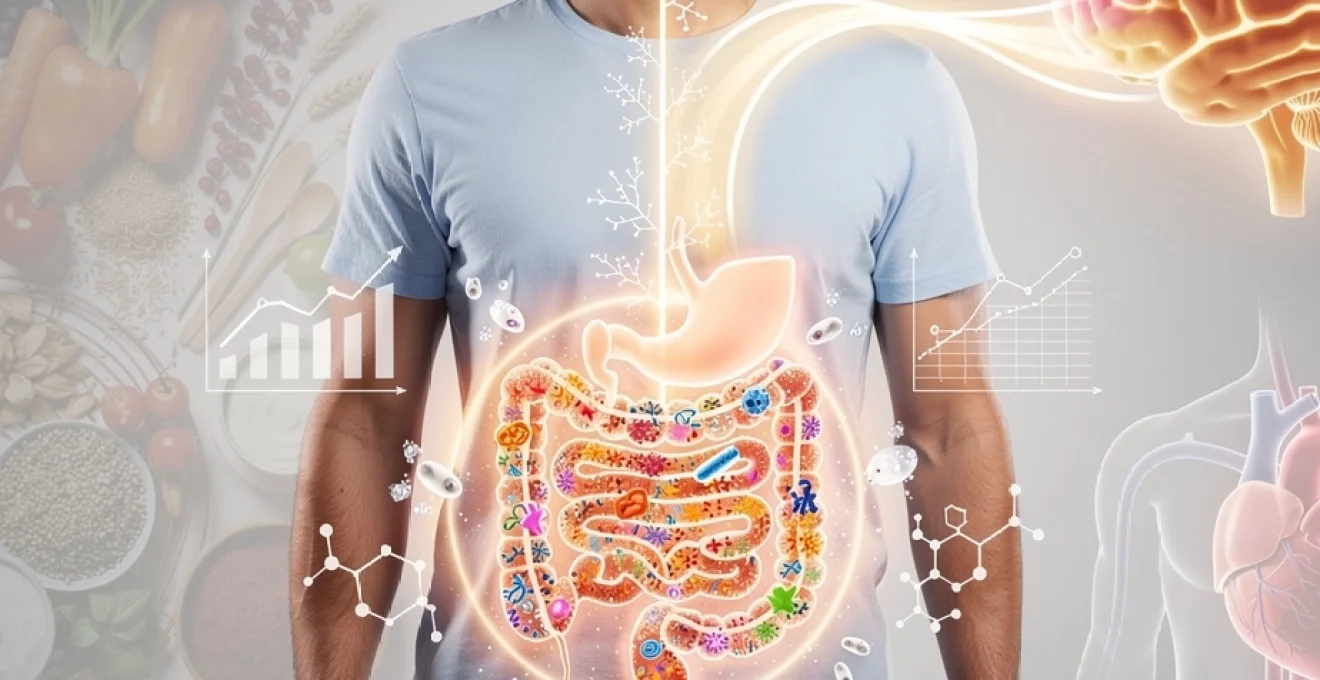
The human digestive system houses an intricate ecosystem of trillions of microorganisms that fundamentally influence nearly every aspect of physiological function. This complex microbial community, known as the gut microbiome, extends its influence far beyond simple digestion, orchestrating critical processes including immune regulation, neurotransmitter synthesis, metabolic control, and cardiovascular health. Recent scientific advances have revealed that gut health serves as a cornerstone of overall wellness, with disruptions in microbial balance contributing to conditions ranging from inflammatory bowel disease to anxiety disorders and metabolic dysfunction.
Gut microbiome composition and microbial diversity fundamentals
The human gut microbiome represents one of the most complex biological systems on Earth, containing approximately 100 trillion microorganisms across more than 1,000 different species. This microbial ecosystem maintains delicate ecological balance through intricate interactions between bacterial populations, with diversity serving as a key indicator of intestinal health and overall physiological resilience.
Bacteroidetes and firmicutes ratio analysis in healthy populations
The two dominant bacterial phyla, Bacteroidetes and Firmicutes, typically comprise 60-80% of the total gut microbiome in healthy individuals. Research demonstrates that optimal health correlates with specific ratios between these populations, with healthy adults maintaining approximately 60% Firmicutes and 20% Bacteroidetes. Disruption of this balance, termed dysbiosis, has been associated with obesity, inflammatory conditions, and metabolic disorders. Population studies reveal that individuals with higher Firmicutes-to-Bacteroidetes ratios exhibit increased energy extraction from dietary fibre, potentially contributing to weight gain when combined with high-calorie diets.
Bifidobacterium and lactobacillus strains: probiotic mechanisms
Bifidobacterium and Lactobacillus species function as cornerstone probiotic organisms, demonstrating remarkable therapeutic potential through multiple biological mechanisms. These beneficial bacteria produce antimicrobial compounds, including bacteriocins and organic acids, which inhibit pathogenic growth whilst maintaining intestinal pH balance. Lactobacillus acidophilus and Bifidobacterium bifidum enhance intestinal barrier function by stimulating mucin production and strengthening tight junction proteins. Clinical studies indicate that specific strains, such as Lactobacillus rhamnosus GG and Bifidobacterium longum, can reduce inflammatory markers and improve immune function in both healthy individuals and those with gastrointestinal disorders.
Short-chain fatty acid production by akkermansia muciniphila
Akkermansia muciniphila, comprising 3-5% of the healthy gut microbiome, plays a pivotal role in maintaining intestinal barrier integrity through specialised metabolic processes. This mucin-degrading bacterium produces significant quantities of short-chain fatty acids (SCFAs), particularly acetate, propionate, and butyrate, which serve as primary energy sources for colonocytes. Research demonstrates that A. muciniphila abundance correlates inversely with obesity, type 2 diabetes, and inflammatory bowel conditions. The bacterium’s unique ability to thrive on intestinal mucus creates a protective mucus layer whilst simultaneously generating beneficial metabolites that regulate inflammation and enhance barrier function.
Dysbiosis patterns in inflammatory bowel disease and crohn’s
Inflammatory bowel disease (IBD) and Crohn’s disease exhibit characteristic dysbiotic patterns marked by reduced microbial diversity and altered bacterial composition. Patients typically demonstrate decreased levels of beneficial bacteria, including Faecalibacterium prausnitzii and Roseburia species, alongside increased pathogenic populations such as Enterobacteriaceae and Fusobacterium. These imbalances contribute to chronic inflammation through compromised SCFA production, reduced anti-inflammatory cytokine synthesis, and enhanced intestinal
immune activation. Emerging evidence suggests that these dysbiosis patterns may precede clinical symptoms, indicating that early changes in microbial communities could contribute to disease onset rather than simply reflecting existing inflammation. Therapeutic strategies targeting microbiome restoration—such as specific probiotic formulations, prebiotic fibres, and faecal microbiota transplantation (FMT)—are currently being investigated to rebalance the gut ecosystem and reduce relapse rates in IBD and Crohn’s disease.
Gut-brain axis: neurological pathways and neurotransmitter synthesis
The gut-brain axis describes the bidirectional communication network linking the gastrointestinal tract with the central nervous system. This intricate system relies on neural, endocrine, and immune pathways to transmit information between the microbiome, enteric nervous system, and brain. Gut bacteria influence neurotransmitter production, stress hormone release, and inflammatory signalling, collectively shaping mood, cognition, and behaviour. When gut health is compromised, these communication channels can become dysregulated, increasing vulnerability to anxiety disorders, depression, and cognitive decline. Understanding how the gut-brain axis functions provides valuable insight into why supporting gut health often leads to improvements in mental and emotional wellbeing.
Vagus nerve stimulation through microbial metabolites
The vagus nerve acts as the primary neural highway between the gut and brain, transmitting signals generated by microbial metabolites and intestinal cells. Short-chain fatty acids (SCFAs), bile acid derivatives, and tryptophan metabolites produced by gut bacteria can activate vagal afferent fibres, modulating brain regions involved in mood regulation and stress response. Experimental models show that disruption of the vagus nerve blunts the behavioural effects of certain probiotic strains, underscoring its central role in gut-brain communication. From a practical perspective, supporting gut health through diet and probiotics may enhance natural vagus nerve signalling, helping you better regulate stress and maintain emotional balance.
Serotonin production by enterochromaffin cells in intestinal mucosa
Approximately 90% of the body’s serotonin is produced in the gastrointestinal tract by specialised enterochromaffin cells embedded in the intestinal mucosa. Gut microbes influence this serotonin production by fermenting dietary fibres into SCFAs and by modulating tryptophan metabolism, the amino acid precursor to serotonin. Balanced microbial communities promote steady serotonin synthesis, supporting healthy gut motility, pain perception, and mood regulation. Conversely, dysbiosis can divert tryptophan away from serotonin pathways towards inflammatory metabolites, potentially exacerbating both digestive issues and mood disorders. By prioritising gut health—particularly through fibre-rich foods and probiotic support—you indirectly nurture the serotonin system that underpins emotional stability and overall wellness.
Gaba-producing bacteria and anxiety disorder correlations
Gamma-aminobutyric acid (GABA) is the brain’s primary inhibitory neurotransmitter, crucial for calming neural activity and reducing anxiety. Certain gut bacteria, including specific Lactobacillus and Bifidobacterium strains, can produce GABA or influence GABA receptor expression in the brain via metabolic signalling. Preclinical studies indicate that these GABA-producing bacteria may reduce anxiety-like behaviour, while human trials of selected probiotics—sometimes called “psychobiotics”—show modest improvements in stress and sleep quality. Although this research is still evolving, it highlights a powerful concept: by cultivating the right microbial partners, you may be able to support your nervous system’s natural ability to relax, focus, and cope with daily stressors.
Dopamine regulation via tyrosine hydroxylase expression
Dopamine, essential for motivation, reward processing, and motor control, is also influenced by gut microbial activity. Certain intestinal bacteria can affect the expression of tyrosine hydroxylase, the rate-limiting enzyme responsible for converting the amino acid tyrosine into dopamine. Through interactions with dietary polyphenols, amino acids, and microbial metabolites, the gut microbiome helps shape dopamine synthesis and receptor sensitivity. Disruptions in these pathways have been associated with altered reward behaviours, cravings, and even features of neurodegenerative disease. Supporting a diverse microbiome through balanced nutrition and lifestyle choices therefore contributes indirectly to more stable dopamine signalling and improved cognitive and emotional resilience.
Intestinal permeability and immune system modulation
The gut barrier acts as a selectively permeable interface, allowing nutrients to enter the bloodstream while keeping pathogens and toxins out. This barrier is composed of epithelial cells, tight junction proteins, mucus layers, and immune components that work together to maintain intestinal integrity. When this system becomes compromised—a state often referred to as increased intestinal permeability or “leaky gut”—microbial fragments and undigested food particles can cross into circulation, triggering systemic inflammation. Because a large proportion of the immune system resides in the gut, maintaining barrier function is pivotal for balanced immune responses, reduced autoimmunity risk, and overall health.
Tight junction proteins: claudin-1 and occludin dysfunction
Tight junction proteins such as claudin-1 and occludin form the molecular “seals” between neighbouring intestinal cells, controlling what passes from the gut lumen into the body. Inflammatory cytokines, chronic stress, alcohol, and certain medications can disrupt these proteins, widening the spaces between cells and increasing intestinal permeability. Dysbiosis further aggravates this process by reducing the production of protective SCFAs like butyrate, which normally strengthen tight junctions and support epithelial repair. You can think of tight junctions as the grout between tiles: when the grout crumbles, everything beneath becomes exposed to damage. Strategies that restore microbiome balance, such as increasing fibre intake and limiting ultra-processed foods, help preserve these critical barrier components.
Secretory IgA response and mucosal immunity mechanisms
Secretory immunoglobulin A (sIgA) is the dominant antibody in mucosal surfaces, coating the intestinal lining and acting as a first line of defence against pathogens. sIgA binds bacteria, viruses, and toxins, preventing them from adhering to or penetrating the gut epithelium. A healthy microbiome continually “trains” the immune system to produce appropriate levels of sIgA, promoting tolerance to harmless food antigens while remaining vigilant against genuine threats. Low sIgA levels have been linked to recurrent infections, food sensitivities, and inflammatory gut conditions. Nutritional strategies that support sIgA—such as adequate protein, micronutrients like vitamin A and zinc, and probiotic supplementation—can therefore enhance mucosal immunity and overall gut health.
Toll-like receptor activation in gut-associated lymphoid tissue
Toll-like receptors (TLRs) are pattern-recognition receptors expressed by immune cells in the gut-associated lymphoid tissue (GALT), designed to detect microbial components such as lipopolysaccharides and flagellin. Under normal conditions, controlled TLR activation by commensal bacteria helps maintain immune tolerance and reinforces barrier integrity. However, chronic overactivation due to dysbiosis or increased permeability can drive excessive inflammation, contributing to autoimmune diseases and metabolic disorders. You might imagine TLRs as sensitive smoke detectors: essential for early warning, but problematic when triggered constantly by harmless stimuli. Modulating the microbiome with diverse plant foods, fermented products, and stress management can help keep TLR signalling balanced and protective rather than damaging.
Cytokine cascade regulation through IL-10 and TNF-alpha balance
Cytokines are signalling proteins that orchestrate immune responses, with some promoting inflammation and others dampening it. Interleukin-10 (IL-10) is a key anti-inflammatory cytokine, while tumour necrosis factor-alpha (TNF-alpha) is strongly pro-inflammatory and often elevated in chronic disease. The gut microbiome plays an important role in maintaining a healthy balance between these mediators, partly through SCFA production and interaction with immune cells in the GALT. Beneficial bacteria can stimulate IL-10 release and reduce TNF-alpha expression, helping to resolve inflammation before it becomes pathological. When dysbiosis skews this balance towards persistent TNF-alpha activity, risks for conditions such as inflammatory bowel disease, rheumatoid arthritis, and metabolic syndrome increase, highlighting once again how central gut health is to systemic wellness.
Metabolic health: glucose regulation and lipid metabolism
The gut microbiome exerts profound influence over metabolic health, particularly in the regulation of blood glucose and lipid profiles. Microbial fermentation of dietary fibres yields SCFAs that enhance insulin sensitivity, modulate appetite hormones, and influence fat storage. Specific bacterial taxa have been linked to improved glycaemic control, while others are associated with insulin resistance and visceral adiposity. For example, higher levels of Akkermansia muciniphila and certain Bifidobacterium strains correlate with healthier body weight and better glucose tolerance. By shaping how you extract energy from food and store it in tissues, the microbiome acts much like an internal metabolic “thermostat” that can either support or undermine long-term health.
Gut bacteria also affect lipid metabolism by modulating bile acid transformation and cholesterol absorption. Microbial enzymes convert primary bile acids into secondary forms that interact with receptors involved in lipid and glucose regulation, such as FXR and TGR5. Dysbiosis can lead to unfavourable bile acid profiles, elevated triglycerides, and increased low-density lipoprotein (LDL) cholesterol, all of which heighten cardiovascular and metabolic risk. On the other hand, a diet rich in soluble fibre, prebiotics, and polyphenol-containing foods supports beneficial microbes that help lower LDL levels and improve high-density lipoprotein (HDL) function. If you are aiming to improve metabolic health naturally, starting with gut-friendly nutrition is often one of the most effective and sustainable strategies.
Cardiovascular health connections through trimethylamine-n-oxide pathways
Cardiovascular health is closely intertwined with gut health through pathways involving the microbial metabolite trimethylamine N-oxide (TMAO). When you consume foods rich in choline, phosphatidylcholine, or carnitine—such as red meat, eggs, and certain energy drinks—specific gut bacteria convert these compounds into trimethylamine (TMA). The liver then oxidises TMA into TMAO, a molecule associated in multiple studies with increased risk of atherosclerosis, heart attack, and stroke. Elevated TMAO appears to promote arterial plaque formation, impair cholesterol transport, and enhance platelet reactivity, collectively increasing cardiovascular risk. Notably, individuals with similar diets can have very different TMAO levels, suggesting that microbiome composition plays a decisive role.
Modifying the gut microbiome and dietary patterns can help reduce TMAO production and protect cardiovascular health. Increasing intake of plant-based foods, especially those high in fibre and polyphenols, encourages the growth of bacteria that produce fewer TMA precursors while supporting SCFA synthesis. At the same time, limiting frequent consumption of processed red meats and refined fats reduces substrate availability for TMAO formation. Some emerging interventions, including targeted probiotics and inhibitors of microbial TMA formation, are being explored as adjuncts to standard cardiovascular risk management. By viewing heart health through the lens of gut function, you gain an additional, powerful lever for reducing long-term cardiovascular risk.
Evidence-based therapeutic interventions and personalised nutrition
Translating gut microbiome science into daily practice centres on two pillars: evidence-based therapeutic interventions and personalised nutrition strategies. While broad guidelines—such as eating more fibre and fermented foods—benefit most people, individual responses can vary dramatically based on genetics, existing microbiome composition, and lifestyle factors. Personalised approaches use tools such as stool microbiome analysis, metabolic testing, and detailed dietary assessment to tailor interventions that target specific imbalances. This precision allows practitioners to identify which microbial groups may need support, which foods are most beneficial or problematic, and how quickly changes in gut health are occurring.
Clinically supported interventions for improving gut health include multi-strain probiotic supplements, prebiotic fibres like inulin and galacto-oligosaccharides, and, in selected cases, faecal microbiota transplantation for severe dysbiosis. Dietary patterns such as the Mediterranean diet, plant-forward eating, and low-FODMAP protocols (for specific digestive conditions) have all demonstrated positive effects on the gut microbiome and overall wellness. Beyond nutrition, lifestyle factors—regular physical activity, adequate sleep, and stress reduction techniques like mindfulness or breathing exercises—also shape microbial diversity and gut-brain communication. By integrating these elements into a coherent, personalised plan, you can systematically support digestive function, immune balance, mental health, and cardiometabolic resilience over the long term.