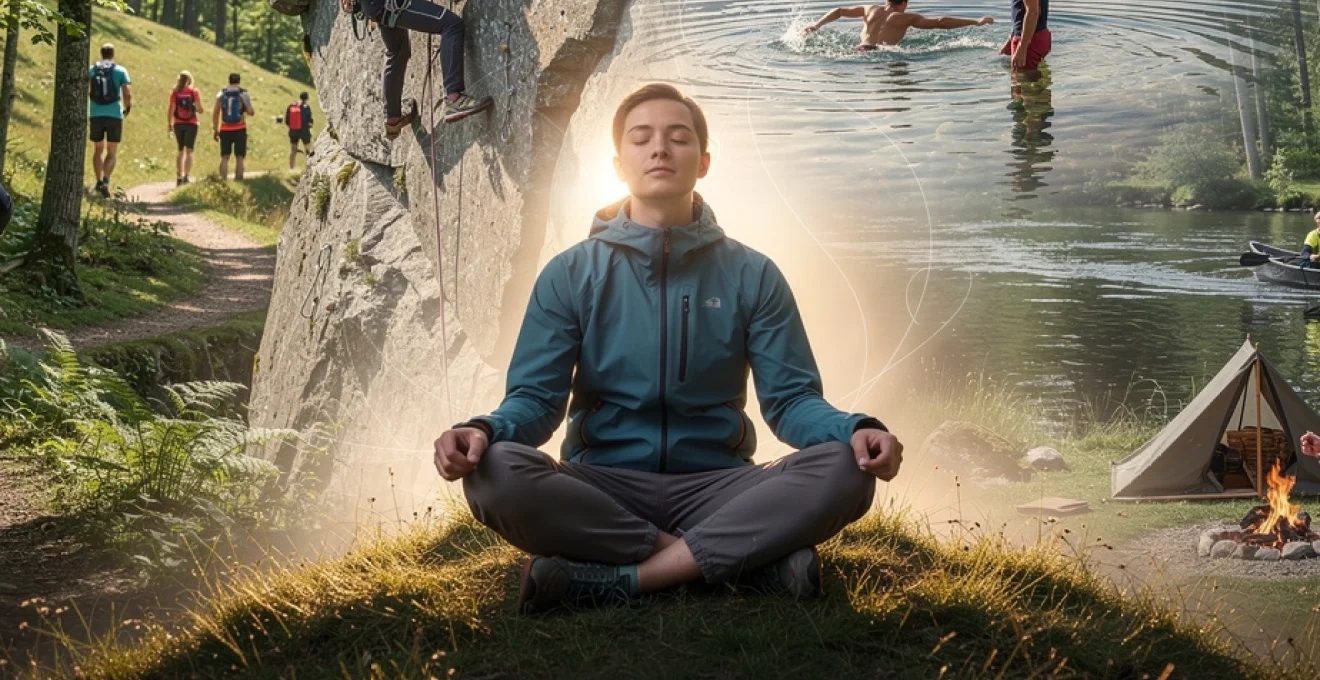
The human brain possesses an extraordinary capacity for adaptation and enhancement, particularly when exposed to natural environments that challenge both cognitive and physical systems. Research in neuroscience and environmental psychology consistently demonstrates that outdoor activities trigger profound neurobiological changes, fundamentally altering brain structure and function in ways that promote mental clarity, cognitive performance, and emotional resilience. Modern neuroscience reveals that nature-based physical activities activate specific neural pathways, optimise neurotransmitter production, and enhance cognitive processing capabilities far beyond what traditional indoor exercises can achieve.
The intersection of adventure sports, wilderness therapy, and cognitive neuroscience has unveiled remarkable insights into how outdoor environments facilitate neuroplasticity, reduce stress hormones, and create optimal conditions for mental clarity. These findings challenge conventional approaches to cognitive enhancement and mental health treatment, positioning nature-based activities as powerful therapeutic interventions with measurable neurobiological benefits.
Neuroplasticity and cognitive enhancement through Nature-Based physical activity
Neuroplasticity represents the brain’s fundamental ability to reorganise, adapt, and form new neural connections throughout life. Outdoor activities create unique environmental conditions that maximise neuroplastic potential through multi-sensory stimulation, unpredictable terrain navigation, and complex decision-making processes. This neurobiological adaptation occurs through several mechanisms, including increased production of brain-derived neurotrophic factor (BDNF), enhanced synaptic connectivity, and improved neural efficiency across multiple brain regions.
The dynamic nature of outdoor environments requires constant cognitive flexibility, spatial awareness, and adaptive problem-solving skills. These demands stimulate neurogenesis particularly in the hippocampus, prefrontal cortex, and cerebellum. Research indicates that individuals engaging in regular outdoor activities demonstrate significantly improved working memory, enhanced attention spans, and superior executive functioning compared to those primarily exercising indoors.
BDNF production during forest bathing and woodland walking
Brain-derived neurotrophic factor serves as a crucial protein that supports neuron survival, promotes synaptic plasticity, and facilitates learning and memory formation. Forest bathing, known scientifically as shinrin-yoku, significantly elevates BDNF levels through exposure to phytoncides, naturally occurring compounds released by trees and plants. Studies demonstrate that participants engaging in two-hour forest bathing sessions experience BDNF increases of up to 50% compared to baseline measurements.
Woodland walking combines the neuroplasticity benefits of moderate physical exercise with the therapeutic effects of forest environments. The irregular terrain, varying light conditions, and natural obstacle navigation create cognitive challenges that stimulate BDNF production whilst promoting neural pathway development. Regular woodland walking participants show measurable improvements in cognitive flexibility, pattern recognition, and spatial memory within six weeks of consistent practice.
Prefrontal cortex activation through rock climbing and bouldering
Rock climbing and bouldering represent sophisticated cognitive-physical challenges that intensively activate the prefrontal cortex, the brain region responsible for executive functions, planning, and decision-making. The complex problem-solving required for route finding, risk assessment, and movement sequencing creates optimal conditions for prefrontal cortex strengthening. Neuroimaging studies reveal that experienced climbers demonstrate enhanced prefrontal cortex density and improved neural connectivity compared to non-climbing populations.
The immediate feedback nature of climbing movements requires rapid cognitive processing, working memory utilisation, and strategic thinking under pressure. These demands strengthen neural pathways associated with mental clarity, concentration, and cognitive control. Regular climbing practice develops what neuroscientists term “cognitive reserve,” enhancing the brain’s resilience against age-related cognitive decline and stress-induced mental fatigue.
Hippocampal neurogenesis enhancement via wild swimming and cold water immersion
Wild swimming and cold water immersion trigger powerful neurobiological responses that significantly enhance hippocampal neurogenesis, the process of generating new neurons in the brain’s memory centre. Cold water exposure activates the sympathetic nervous system, releasing norepinephrine and other neurotrophic factors that promote neural growth. Research indicates that regular cold water swimmers demonstrate superior memory consolidation, enhanced learning capacity, and improved stress resilience.
The hippocampus plays a crucial role in spatial navigation, memory formation, and emotional regulation. Wild swimming environments provide rich spatial and sensory information that challenges hippocam
ory processing. The constantly shifting water temperature, currents, and distances require continuous recalibration of direction, breathing rhythm, and effort, which collectively stimulate hippocampal plasticity. Over time, this combination of cold exposure and complex environmental feedback supports more robust memory networks, clearer thinking under pressure, and improved emotional balance in daily life.
Cold water immersion also demands a high degree of interoceptive awareness – the ability to notice internal bodily states. As you learn to regulate your breath and stay calm in cold conditions, you train the brain to reinterpret stress signals not as threats but as manageable challenges. This re-framing has been linked to reduced rumination, increased tolerance of discomfort, and a more flexible cognitive style, all of which contribute to long-term mental clarity.
Default mode network regulation through trail running and fell walking
The default mode network (DMN) is a set of brain regions active during mind-wandering, self-referential thinking, and internal narrative building. While the DMN is essential for reflection and creativity, excessive activation is associated with anxiety, depression, and mental fatigue. Trail running and fell walking naturally regulate DMN activity by demanding alternating periods of focused attention and relaxed awareness, creating a healthy rhythm between task-positive networks and the DMN.
As you navigate roots, rocks, gradients, and changing weather, your brain shifts into a state of embodied attention, where visual, vestibular, and proprioceptive cues take precedence over internal chatter. This is similar to turning down background noise so you can hear a single clear melody; intrusive thoughts and over-analysis quieten as sensorimotor processing takes centre stage. Longitudinal studies on “green running” show improved mood, reduced rumination, and enhanced cognitive flexibility compared with equivalent runs on treadmills or city streets.
Fell walking in particular introduces intermittent cognitive demands – choosing safe footholds, planning micro-routes, and adjusting pace to steep terrain – interspersed with moments of panoramic viewing and reflective rest. This pattern resembles interval training for attention systems, where focused bursts are followed by restorative periods that allow the DMN to operate in a more regulated, constructive way. Over time, this cyclical engagement and disengagement supports a clearer baseline mental state and more deliberate control over when and how you engage in introspection.
Cortisol reduction mechanisms in adventure-based therapeutic interventions
Cortisol, the body’s primary stress hormone, plays a central role in how we respond to pressure, uncertainty, and perceived threat. While short-term cortisol releases can enhance performance, chronic elevation disrupts sleep, impairs memory, and blunts mental clarity. Adventure-based therapeutic interventions harness outdoor environments and structured challenges to recalibrate the stress system, modulating cortisol release through graded exposure, perceived mastery, and deep physiological recovery.
Unlike purely clinical settings, mountain landscapes, rivers, and remote campsites provide an inherently meaningful backdrop for reshaping our relationship with stress. The combination of physical exertion, real-but-managed risk, and natural beauty encourages a shift from a chronic “fight or flight” mode to a more adaptive, responsive state. In this context, cortisol becomes a tool for performance rather than a constant background threat, allowing you to think more clearly and respond more rationally under pressure.
HPA axis modulation through mountaineering and alpine activities
The hypothalamic–pituitary–adrenal (HPA) axis governs the body’s hormonal stress response, culminating in cortisol release. Mountaineering and alpine activities offer a unique way to train this axis through controlled exposure to altitude, effort, and environmental unpredictability. Climbers must continually assess weather, terrain, energy reserves, and safety, engaging cognitive appraisal systems that can either amplify or resolve stress responses.
When alpine challenges are appropriately matched to skill level and supported by good preparation, the HPA axis learns to respond with sharper, shorter cortisol peaks followed by efficient recovery. This pattern is associated with better emotional regulation, reduced baseline anxiety, and more stable concentration. Think of it as teaching your internal alarm system to distinguish between real emergencies and everyday demands, instead of sounding at full volume all the time.
Studies on multi-day alpine expeditions show reductions in resting cortisol levels, improved heart rate variability, and enhanced subjective resilience once participants return to daily life. These physiological shifts translate into clearer thinking in work and personal contexts, as the brain is no longer flooded with stress hormones during routine challenges. In therapeutic mountaineering programs, these experiences are often debriefed with a psychologist or guide, reinforcing new cognitive patterns around stress, risk, and self-efficacy.
Parasympathetic nervous system activation during kayaking and canoeing
Kayaking and canoeing activate the parasympathetic nervous system – the “rest and digest” branch – through rhythmic movement, water-based sensory input, and focused yet gentle attention. The repetitive paddle strokes function like a moving meditation, synchronising breath with motion and encouraging a natural slowing of heart rate once the initial excitement subsides. This parasympathetic dominance is tightly linked with lower cortisol levels and improved clarity of thought.
Water environments also provide consistent auditory and visual cues – the sound of lapping water, the play of light on the surface, the gentle sway of the craft – that nudge the nervous system toward relaxation. For many people, this combination creates a state similar to a waking trance: alert but calm, engaged but not overstimulated. In this state, problem-solving becomes smoother, and intrusive worries recede into the background.
Therapeutic kayaking sessions often integrate breathing techniques, mindful observation, and periods of silent paddling to deepen parasympathetic activation. Over repeated sessions, the brain begins to associate outdoor water environments with safety, grounding, and cognitive ease. You can then draw on this association even away from the river or lake, using brief visualisations or breathing rhythms to recreate a similar mental state during stressful situations at home or work.
Circadian rhythm restoration through wild camping and bivouacking
Wild camping and bivouacking – sleeping outdoors with minimal shelter – expose the body to natural light–dark cycles, temperature variations, and environmental sounds. These exposures powerfully influence circadian rhythms, the internal clocks that govern sleep, alertness, hormone release, and cognitive performance. When circadian rhythms are aligned with natural day–night patterns, mental clarity, reaction times, and emotional stability all improve markedly.
Artificial lighting, late-night screens, and irregular schedules can suppress melatonin production and desynchronise internal clocks, leaving you foggy and unfocused. In contrast, spending just a few nights under the stars allows sunrise and sunset to reset the suprachiasmatic nucleus, the brain’s master clock. Research on “camping resets” shows that participants often fall asleep earlier, wake more refreshed, and experience improved executive function for days or even weeks afterwards.
Bivouacking enhances this effect by minimising barriers between your body and the surrounding environment. Feeling the gradual drop in temperature, hearing the shift from daytime to nocturnal sounds, and waking to natural light all send powerful timing cues to the brain. For people struggling with insomnia, jet lag, or “social jet lag” from irregular work hours, a structured period of wild camping can act like a hard reset, laying the foundation for more consistent sleep and sharper daytime cognition.
Stress hormone optimisation via outdoor mindfulness and bushcraft practices
Outdoor mindfulness and bushcraft practices – such as fire-making, shelter building, and tracking – offer slow, deliberate engagement with natural elements that help optimise stress hormone patterns. Rather than aiming to eliminate stress responses altogether, these activities teach the body to mount an appropriate response and then fully return to baseline. This adaptive curve, rather than chronic elevation, is key to sustaining mental clarity over time.
Bushcraft skills require focused attention on fine motor tasks, sensory details, and step-by-step processes, all of which anchor the mind in the present moment. This presence interrupts habitual worry loops that keep cortisol elevated long after a stressor has passed. At the same time, the small, tangible successes of lighting a fire or crafting a tool reinforce feelings of competence and control, which are strongly linked with lower perceived stress.
Outdoor mindfulness sessions often incorporate body scans, breath awareness, and open monitoring of thoughts while seated or moving gently through woodland or open terrain. Combined with the mild physical effort and rich sensory input of nature, these practices can rebalance cortisol rhythms across the day. Many people report feeling mentally “lighter,” less prone to overreaction, and better able to sustain focused attention after a series of such sessions.
Attention restoration theory implementation in natural environment therapy
Attention Restoration Theory (ART) proposes that natural environments help replenish directed attention – the effortful focus we use for work, study, and complex problem-solving. In urban and digital settings, this resource is constantly taxed by alerts, noise, and competing demands. Nature, by contrast, offers what ART calls “soft fascination”: gently engaging stimuli like moving leaves, clouds, or water that capture attention without overwhelming it, allowing the underlying attentional system to rest and recover.
Natural environment therapy applies ART principles by deliberately structuring time outdoors to alternate between light cognitive tasks and periods of unstructured observation. For example, a therapist might guide a client through a short, goal-oriented walk followed by 10–15 minutes of simply watching a river or tree canopy. This rhythm mirrors the way muscles recover between sets in strength training, gradually increasing the capacity for sustained, high-quality attention in everyday life.
Key ART components – being away, extent, fascination, and compatibility – can be intentionally embedded in therapeutic outdoor sessions. “Being away” involves psychological distance from daily roles; “extent” refers to environments that feel rich and coherent enough to explore; “fascination” comes from naturally interesting features; and “compatibility” ensures the setting matches the person’s abilities and preferences. When these elements are present, clients often report clearer thinking, easier decision-making, and reduced mental clutter after just a few sessions.
Dopamine and serotonin pathway activation through adventure sports psychology
Adventure sports psychology explores how high-engagement outdoor activities influence motivation, mood, and cognitive performance via neuromodulators like dopamine and serotonin. Dopamine is central to reward, motivation, and goal-directed behaviour, while serotonin supports mood regulation, emotional stability, and impulse control. Well-designed outdoor challenges activate these pathways in balanced ways, fostering both drive and calm – an ideal combination for mental clarity.
Adventure environments provide clear, immediate feedback: you either clear the crux of a climb, land a jump, or you do not. This binary feedback, paired with incremental skill progression, creates a powerful reward-learning loop. Each small success triggers dopamine release, reinforcing effective strategies and deepening concentration. At the same time, extended time outdoors, social connection, and rhythmic movement support serotonin production, buffering against anxiety and irritability that can cloud thinking.
Endorphin release mechanisms during fell running and mountain biking
Fell running and mountain biking combine aerobic intensity with technical demands, making them potent triggers for endorphin release. Endorphins are endogenous opioids that reduce pain perception and create feelings of euphoria or calm satisfaction, often described as a “runner’s high.” This biochemical shift not only improves mood but also alters how the brain processes effort and discomfort, making challenging cognitive tasks feel more manageable afterward.
The uneven terrain, constant micro-adjustments, and requirement for forward planning keep the brain engaged while the body works at moderate-to-high intensity. As endorphin levels rise, many people experience a sense of mental spaciousness – intrusive thoughts recede, and attention narrows naturally to the trail ahead. This state can be likened to clearing fog from a windscreen: the road was always there, but now you can see it clearly.
Regular engagement in these sports has been linked to improved stress tolerance, better executive function, and enhanced working memory. Practically, scheduling a trail run or ride before demanding cognitive work can prime the brain with a favourable neurochemical profile – elevated endorphins and dopamine, reduced cortisol – that supports sustained focus and creative problem-solving.
Reward system enhancement through rock face navigation and via ferrata
Rock face navigation and via ferrata routes provide structured exposure to height, exposure, and technical decision-making within a relatively controlled risk envelope. These activities engage the brain’s reward system not only through successful completion of moves but also through overcoming fear and uncertainty. When you confront a challenging section, plan a sequence, and execute it successfully, dopamine surges reinforce both the motor pattern and the psychological strategy used to manage fear.
The clear progression of difficulty – from easier traverses to more exposed, vertical sections – mirrors effective behavioural training paradigms. Each step up in challenge offers a new opportunity for reward, keeping motivation high and attention sharply focused. Over time, this cultivates a mindset that sees difficult cognitive tasks not as threats but as opportunities for growth, a shift closely associated with greater resilience and sustained mental clarity.
In therapeutic contexts, guides and psychologists often use via ferrata experiences as metaphors for everyday challenges: clipping into a new cable can represent taking a calculated risk at work, while pausing on a ledge to breathe parallels taking a mindful break during stress. Tying physical successes on the rock to real-life decision-making helps anchor new, more adaptive patterns in the reward system.
Neurotransmitter balance optimisation via coasteering and sea cliff activities
Coasteering and sea cliff activities blend swimming, scrambling, jumping, and navigation along rugged shorelines. This constantly changing mix of tasks places varied demands on the brain, helping to balance excitatory and inhibitory neurotransmitters such as glutamate and GABA, alongside modulators like dopamine and serotonin. The result is often a state of alert calm – energised yet grounded – that is ideal for clear thinking.
Cold water immersion elevates norepinephrine, improving alertness and attention, while rhythmic movement and group support foster serotonin release, which tempers anxiety. Meanwhile, the need to assess wave patterns, tidal movements, and rock stability exercises frontal lobe circuits responsible for judgment and impulse control. This interplay between activation and regulation is much like finely tuning a musical instrument so it resonates clearly without distortion.
Because coasteering often takes place in small groups, social bonding and shared achievement further enhance the brain’s reward chemistry. Laughter, mutual support, and collective problem-solving stimulate oxytocin and additional serotonin, building a sense of safety that allows cognitive resources to be freed from hypervigilance. Many participants describe returning from such sessions feeling mentally “reset,” with sharper focus and a more optimistic outlook.
Flow state achievement through technical climbing and scrambling routes
Flow states – periods of complete absorption in an activity, with a sense of effortlessness and altered time perception – are strongly associated with peak cognitive performance and vivid mental clarity. Technical climbing and scrambling routes are classic flow triggers because they offer clear goals, immediate feedback, and a fine balance between challenge and skill. When the difficulty of a route is matched just above your current ability, attention locks in, self-consciousness drops away, and performance often exceeds expectations.
Neuroimaging studies of flow suggest a temporary reduction in prefrontal self-monitoring activity (“transient hypofrontality”) combined with efficient activation of sensorimotor and reward circuits. In practice, this feels like thinking less but perceiving more – movements become intuitive, decisions quicker yet more accurate. Experiencing this state regularly teaches the brain what optimal engagement feels like, making it easier to recognise and recreate in non-sport contexts such as creative work or problem-solving.
From a mental health perspective, flow experiences provide a powerful counterbalance to rumination and fragmented attention. They demonstrate that your mind is capable of deep, sustained focus and harmonious functioning, even under pressure. Over time, building a repertoire of routes that reliably induce flow can serve as a practical toolkit for resetting your cognitive system when stress or distraction accumulate.
Cognitive load reduction through green exercise and ecotherapy protocols
Cognitive load refers to the total amount of mental effort being used in working memory at any given time. In modern life, this load is often chronically high due to multitasking, information overload, and constant digital interruptions. Green exercise – physical activity performed in natural settings – and structured ecotherapy protocols reduce cognitive load by simplifying sensory input, clarifying priorities, and engaging embodied processing systems that require less conscious effort.
When you walk, cycle, or practice yoga outdoors, much of the navigation, balance, and movement control is handled by automatic neural systems honed over millions of years. This frees up higher-order cognitive resources, allowing the brain to process lingering problems in the background or simply rest. Studies comparing indoor and outdoor exercise show that green exercise is associated with greater reductions in perceived mental fatigue and faster recovery of executive function.
Ecotherapy programs often combine gentle physical activity with guided reflection, nature-based tasks, or therapeutic dialogue. By embedding psychological work in a simple, predictable structure – such as walking a familiar trail each session – they reduce the working memory demands associated with traditional office-based therapy. This lower cognitive load makes it easier to access deeper emotions, reframe unhelpful beliefs, and generate creative solutions to complex life challenges.
Mindfulness integration techniques in wilderness-based cognitive behavioural therapy
Wilderness-based cognitive behavioural therapy (CBT) integrates evidence-based psychological tools with the transformative potential of remote natural environments. Mindfulness is a core component of this integration, providing a bridge between immediate sensory experience and the cognitive restructuring at the heart of CBT. In practice, this means using the sights, sounds, and sensations of the wilderness as anchors for attention while exploring and challenging unhelpful thought patterns.
Techniques such as “thought tracking on the trail” invite clients to notice automatic thoughts that arise during a hike – for example, self-doubt when facing a steep climb – and to gently examine them in real time. The physical challenge becomes a live experiment: you test alternative thoughts (“I can take this one step at a time”) and immediately experience their impact on motivation, anxiety, and performance. This direct feedback loop accelerates learning compared to purely verbal exercises in a clinical room.
Other mindfulness practices used in wilderness CBT include sensory grounding (naming five things you can see, four you can feel, and so on), breath-focused pauses at viewpoints, and short seated meditations beside rivers or on ridgelines. These moments cultivate non-judgmental awareness and emotional regulation skills that clients can later apply in urban settings. Because the wilderness context is inherently memorable, the associations between specific landscapes and cognitive shifts act as powerful cues to recall and reuse CBT tools long after the program ends.