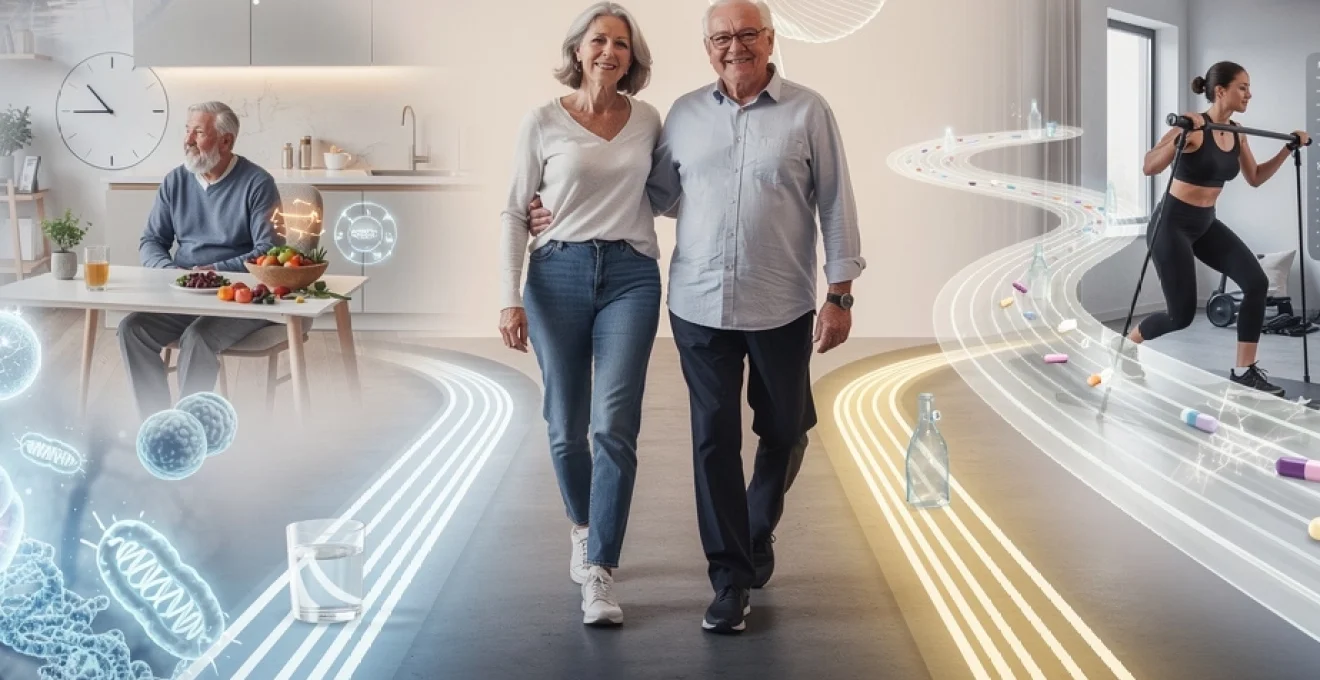
The human lifespan has increased dramatically over the past century, yet the quality of those additional years remains a pressing concern. While genetics accounts for approximately 25% of longevity variance, the remaining 75% lies within our control through evidence-based interventions and lifestyle modifications. Modern research reveals that aging isn’t simply an inevitable decline but rather a complex biological process that can be significantly influenced through targeted strategies. Understanding how cellular mechanisms deteriorate over time—and more importantly, how to counteract these changes—empowers individuals to not merely live longer but to maintain vitality, cognitive function, and independence well into their later decades.
Cellular senescence and telomere maintenance through Evidence-Based interventions
Cellular senescence represents one of the fundamental hallmarks of aging, characterised by the gradual accumulation of damaged cells that cease to divide and contribute to tissue dysfunction. These senescent cells release inflammatory compounds known as senescence-associated secretory phenotype (SASP) factors, which accelerate aging processes throughout the body. Research demonstrates that addressing cellular senescence through targeted interventions can significantly slow biological aging and reduce age-related disease risk.
The process begins at the cellular level, where telomeres—protective DNA sequences at chromosome ends—gradually shorten with each cell division. When telomeres become critically short, cells enter senescence or undergo programmed death. This mechanism, while protective against cancer in younger individuals, becomes increasingly problematic with age as tissue regeneration capacity diminishes. Understanding these mechanisms provides the foundation for implementing effective anti-aging strategies.
Telomerase activation through cycloastragenol and TA-65 supplementation
Telomerase enzyme activation represents a promising approach to cellular rejuvenation, with compounds like cycloastragenol and TA-65 showing measurable effects on telomere length preservation. Cycloastragenol, derived from Astragalus membranaceus, demonstrates the ability to activate telomerase in human cells, potentially slowing cellular aging processes. Clinical studies suggest that consistent supplementation with 10-25mg daily may help maintain telomere length over time, though individual responses vary significantly based on baseline telomere status and overall health.
TA-65, a purified form of cycloastragenol, has undergone more extensive clinical testing with participants showing improvements in immune function and modest telomere lengthening after 12 months of supplementation. The optimal dosing protocol appears to be 250-500mg twice daily, taken on an empty stomach for maximum absorption. However, these interventions work best when combined with comprehensive lifestyle modifications rather than as standalone solutions.
Autophagy enhancement via intermittent fasting and spermidine protocols
Autophagy, the cellular “housekeeping” mechanism that removes damaged proteins and organelles, declines significantly with age, leading to cellular dysfunction and accelerated aging. Intermittent fasting emerges as one of the most accessible methods to stimulate autophagy, with 16:8 time-restricted eating showing particular promise for cellular renewal. During fasting periods, cells activate autophagy pathways to recycle damaged components and generate energy from internal stores.
Spermidine supplementation offers another avenue for autophagy enhancement, with research indicating that 1-3mg daily can significantly increase autophagic activity. This naturally occurring polyamine, found in wheat germ and aged cheese, mimics some benefits of caloric restriction without the challenges of sustained dietary limitation. The combination of periodic fasting with spermidine supplementation appears to provide synergistic effects on cellular health and longevity markers.
NAD+ precursor optimisation using nicotinamide riboside and NMN
Nicotinamide adenine dinucleotide (NAD+) serves as a crucial coenzyme in cellular energy production and DNA repair mechanisms, yet levels decline by approximately 50% between ages 20 and 50. This decline significantly impacts mitochondrial function, cellular repair capacity, and overall metabolic health. Nicotinamide riboside (NR) and nicotinamide mononucleotide (NMN) represent two primary NAD+ precursors that can
enhance NAD+ levels, supporting cellular metabolism and repair. Human trials with NR typically use doses between 250–1,000mg per day, showing improvements in markers such as insulin sensitivity, blood pressure and muscle performance in older adults. NMN, often dosed between 250–500mg per day, has shown benefits in animal models for vascular health and physical endurance, with early human data suggesting similar trends, though larger clinical trials are still underway.
From a practical standpoint, NAD+ precursor optimisation works best when combined with foundational habits that preserve mitochondrial health—regular physical activity, adequate sleep and avoidance of chronic overfeeding. It is also important to cycle or periodically reassess these supplements, as continuous high-dose use may not be necessary for everyone and long‑term safety data are still emerging. If you are taking medications such as anticoagulants or have a history of cancer, it is wise to discuss NAD+ boosters with a qualified clinician before beginning supplementation, given their impact on cellular growth and repair pathways.
Mitochondrial biogenesis through PQQ and CoQ10 synergistic applications
Mitochondria, often called the “powerhouses” of the cell, decline in both number and efficiency with age, contributing to fatigue, reduced resilience and increased oxidative stress. Pyrroloquinoline quinone (PQQ) and coenzyme Q10 (CoQ10) have attracted interest as complementary agents for mitochondrial support. PQQ appears to stimulate mitochondrial biogenesis—the creation of new mitochondria—while CoQ10 improves electron transport chain efficiency and acts as a potent antioxidant within mitochondrial membranes.
Typical supplemental doses used in studies range from 10–20mg of PQQ and 100–300mg of CoQ10 daily, often taken with meals containing fat to enhance absorption. Small human trials report improvements in perceived energy, sleep quality and cognitive performance, particularly in middle‑aged and older adults. The synergy arises because PQQ encourages the formation of new mitochondria, while CoQ10 helps those mitochondria function more efficiently, somewhat like building new engines and then tuning them for optimal performance.
As with other longevity interventions, mitochondrial support should be layered onto a base of regular aerobic and resistance training, as exercise itself is one of the most powerful inducers of mitochondrial biogenesis. You might also consider periodic laboratory testing for markers such as lipid profiles, fasting glucose and high‑sensitivity CRP to ensure that supplement use aligns with broader cardiometabolic health. Importantly, people on blood‑thinning medications or certain chemotherapy regimens should consult their healthcare provider before starting high‑dose CoQ10, as it can interact with some treatments.
Hormetic stress response mechanisms for longevity enhancement
Hormesis describes the phenomenon where low doses of stressors trigger adaptive responses that make cells and tissues more resilient over time. Instead of avoiding all stress, strategic exposure to short, controlled bouts of thermal stress, physical exertion or mild metabolic stress can strengthen the body’s defence systems. These hormetic stressors upregulate antioxidant pathways, enhance DNA repair and support balanced immune function—key components of healthy aging.
In practical terms, hormesis means using tools like cold exposure, sauna sessions, structured exercise and caloric restriction mimetics in a deliberate, cyclical way. The goal is not to push the body to exhaustion, but to provide just enough challenge to stimulate adaptation without tipping into chronic stress or overtraining. When applied thoughtfully and personalised to your health status, hormetic strategies can complement more direct nutritional and supplement‑based longevity interventions.
Cold thermogenesis protocols and brown adipose tissue activation
Cold exposure activates brown adipose tissue (BAT), a metabolically active fat that burns calories to produce heat, and stimulates the release of catecholamines that can improve insulin sensitivity and metabolic flexibility. Regular, moderate cold exposure has been linked to reductions in white adipose tissue, improved glucose control and enhanced mitochondrial function. For aging individuals seeking to preserve metabolic health, cold thermogenesis can act as a non‑pharmacological tool to counter insulin resistance and weight gain.
Practical cold exposure protocols often start with brief cold showers—30–60 seconds at the end of a warm shower, gradually increasing to 2–3 minutes as tolerated. More advanced methods include ice baths or outdoor exposure to cold temperatures while lightly clothed, always with safety and cardiovascular status in mind. People with uncontrolled hypertension, Raynaud’s disease or cardiovascular disease should speak with their clinician before implementing aggressive cold therapies, as sudden vasoconstriction can pose risks.
As with any hormetic stressor, consistency and moderation matter more than extremes. Two to four cold sessions per week can be sufficient to stimulate adaptation without overwhelming the system. If you notice persistent fatigue, sleep disruption or elevated resting heart rate after beginning cold thermogenesis, it may be a signal to reduce intensity or frequency and allow your autonomic nervous system more time to adapt.
Heat shock protein upregulation through sauna therapy and hyperthermia
Heat exposure through sauna use or other forms of controlled hyperthermia upregulates heat shock proteins (HSPs), which act as molecular chaperones that repair misfolded proteins and protect cells from damage. Regular sauna bathing has been associated in large observational studies with lower risks of cardiovascular disease, dementia and all‑cause mortality, especially with higher weekly frequency. While correlation does not prove causation, the convergence of mechanistic and epidemiological data suggests that thermal stress can be a powerful longevity lever.
For many adults, a feasible protocol involves 2–4 sauna sessions per week, each lasting 10–20 minutes at temperatures between 70–90°C (158–194°F), depending on tolerance. Hydration and electrolyte balance are crucial; you should drink water before and after each session and avoid alcohol, which can compound cardiovascular strain. People with unstable angina, uncontrolled blood pressure or advanced heart failure should seek medical clearance before starting regular sauna therapy, as heat induces vasodilation and temporary increases in heart rate.
Beyond cardiovascular benefits, sauna use may support joint mobility, subjective wellbeing and sleep, all of which contribute indirectly to healthier aging. Think of sauna exposure as a “passive workout” for your cardiovascular and thermoregulatory systems—valuable, but most effective when combined with active exercise, a nutrient‑dense diet and adequate recovery time.
Exercise-induced hormesis and mTOR pathway modulation
Exercise remains one of the most potent and accessible longevity interventions, exerting its effects through multiple hormetic pathways. High‑intensity and resistance training sessions create micro‑damage in muscle fibres, prompting repair and adaptation that increase strength, mitochondrial capacity and insulin sensitivity. At the molecular level, exercise acutely activates pathways like AMPK and transiently modulates mTOR (mechanistic target of rapamycin), a central regulator of growth and cellular aging.
For aging adults, the art lies in balancing enough training stimulus to preserve muscle mass and functional capacity without chronically overactivating mTOR or driving systemic inflammation. A well‑rounded routine typically includes 2–3 days per week of resistance training, 150–300 minutes per week of moderate aerobic activity, and intermittent bouts of higher‑intensity intervals as tolerated. This combination supports both cardiovascular health and the maintenance of lean body mass, a critical determinant of independence in later life.
Overtraining, however, can undermine these benefits by elevating cortisol, impairing sleep and increasing injury risk. Monitoring simple markers such as resting heart rate, perceived exertion, mood and sleep quality can help you gauge whether your current volume is sustainable. If you consistently feel exhausted rather than energised after workouts, or if minor infections and injuries linger, scaling back intensity or adding rest days may better support long‑term healthy aging.
Caloric restriction mimetics including resveratrol and metformin
Caloric restriction (CR)—reducing calorie intake without malnutrition—extends lifespan in multiple species and delays the onset of age‑related diseases. For many people, however, sustained CR is difficult to maintain and may be inappropriate in the context of frailty, sarcopenia or certain medical conditions. This has led to interest in caloric restriction mimetics—compounds that activate similar cellular pathways without requiring large reductions in calorie intake.
Resveratrol, a polyphenol found in grapes and berries, has been shown in animal models to activate sirtuin pathways and improve metabolic health, although human data are more modest and variable. Typical supplemental doses range from 100–500mg per day, often taken with meals. Metformin, a long‑standing diabetes medication, has been associated in observational studies with reduced cancer incidence and improved survival, potentially via AMPK activation and reduced oxidative stress. Off‑label use of metformin for longevity is growing, but it remains controversial due to side effects such as gastrointestinal upset and, rarely, lactic acidosis.
Because both resveratrol and metformin interact with key metabolic pathways, personalised assessment is crucial. Underweight individuals, those with advanced kidney or liver disease, or people engaging in high volumes of endurance training may not be ideal candidates for aggressive caloric restriction mimetics. Working with a clinician experienced in metabolic health can help you weigh potential benefits against risks and determine whether low‑dose introduction, periodic cycling, or alternative strategies such as time‑restricted eating might be more appropriate.
Neuroplasticity preservation and cognitive reserve building strategies
Preserving cognitive function is a central goal of healthy aging, and emerging research highlights the concept of cognitive reserve—the brain’s ability to adapt and maintain performance despite structural changes or pathology. Neuroplasticity, the capacity of neural networks to reorganise and form new connections, underpins this reserve. Lifestyle factors that sustain neuroplasticity can therefore delay or mitigate age‑related cognitive decline and reduce the risk of dementia.
Regular physical activity, especially aerobic exercise, increases brain‑derived neurotrophic factor (BDNF), a key protein that supports neuron survival and synaptic plasticity. Cognitive engagement—learning new skills, languages or instruments; engaging in complex hobbies; or participating in meaningful work—further stimulates neural networks. Social interaction also plays a vital role; conversations, group activities and community involvement challenge multiple cognitive domains simultaneously, including memory, attention and emotional regulation.
From a practical perspective, you can think of your brain like a “cognitive savings account.” Each time you learn something new, challenge yourself intellectually or deepen social connections, you are making deposits that may buffer against later withdrawals from aging, illness or stress. Digital tools such as brain‑training apps can be useful adjuncts, but they are most effective when combined with real‑world activities that are personally meaningful—everything from volunteering to joining a choir or discussion group.
Epigenetic modulators and DNA methylation optimisation techniques
While your genetic code remains largely fixed throughout life, epigenetic marks—chemical modifications on DNA and histone proteins—are dynamic and responsive to environment and behaviour. DNA methylation patterns, in particular, have been used to develop “epigenetic clocks” that estimate biological age, often predicting health outcomes more accurately than chronological age. Encouragingly, studies suggest that targeted lifestyle and nutritional interventions may slow or even partially reverse adverse epigenetic aging signatures.
Dietary patterns rich in folate, vitamin B12, choline, polyphenols and other methyl‑donor or methylation‑supporting nutrients appear to influence DNA methylation status. A whole‑food, plant‑forward diet with ample leafy greens, cruciferous vegetables, berries, nuts and seeds can provide a broad spectrum of epigenetically active compounds. Emerging clinical trials combining such diets with stress‑reduction techniques, moderate exercise and targeted supplementation (for example, B‑complex vitamins and specific probiotics) have reported modest reductions in epigenetic age over 8–12 weeks, though larger and longer trials are needed.
For individuals deeply interested in quantifying their progress, commercial epigenetic testing can offer a snapshot of biological age and methylation patterns, but interpretation should be cautious. Results can vary between platforms and may be influenced by temporary factors such as acute illness or major lifestyle shifts. Rather than chasing perfect numbers, it is often more productive to use epigenetic insights as one more tool—alongside standard blood tests and clinical assessments—to refine and reinforce a foundation of sleep hygiene, stress management, physical activity and nutrient‑dense eating.
Advanced biomarker monitoring and personalised health metrics tracking
As longevity science advances, personalised monitoring becomes increasingly important for tailoring interventions and avoiding a one‑size‑fits‑all approach. Advanced biomarker panels can assess inflammation (hs‑CRP, IL‑6), metabolic health (fasting insulin, HbA1c, lipid subfractions), hormonal balance, micronutrient status and even emerging markers like circulating senescent cell products or mitochondrial DNA. Combined with blood pressure trends, body composition data and functional tests such as grip strength or gait speed, these metrics provide a nuanced picture of biological aging.
Wearable devices add another layer of continuous data, tracking heart rate variability, sleep stages, daily step counts and exercise intensity. Used wisely, these tools can help you fine‑tune behaviours—such as adjusting bedtime, modulating training load or increasing daily movement—based on objective feedback. However, it is also easy to become overwhelmed or anxious when faced with constant metrics; choosing a small set of key indicators to follow over time often yields better adherence and less stress.
Ultimately, the goal of advanced monitoring is not perfection but informed iteration. By periodically reviewing your biomarkers and health metrics with a qualified practitioner, you can adjust supplementation, nutrition, training and hormetic stress exposures to match your current physiology and life context. In this way, aging becomes a guided, data‑informed process rather than a passive experience, allowing you to preserve function and quality of life for as long as possible.