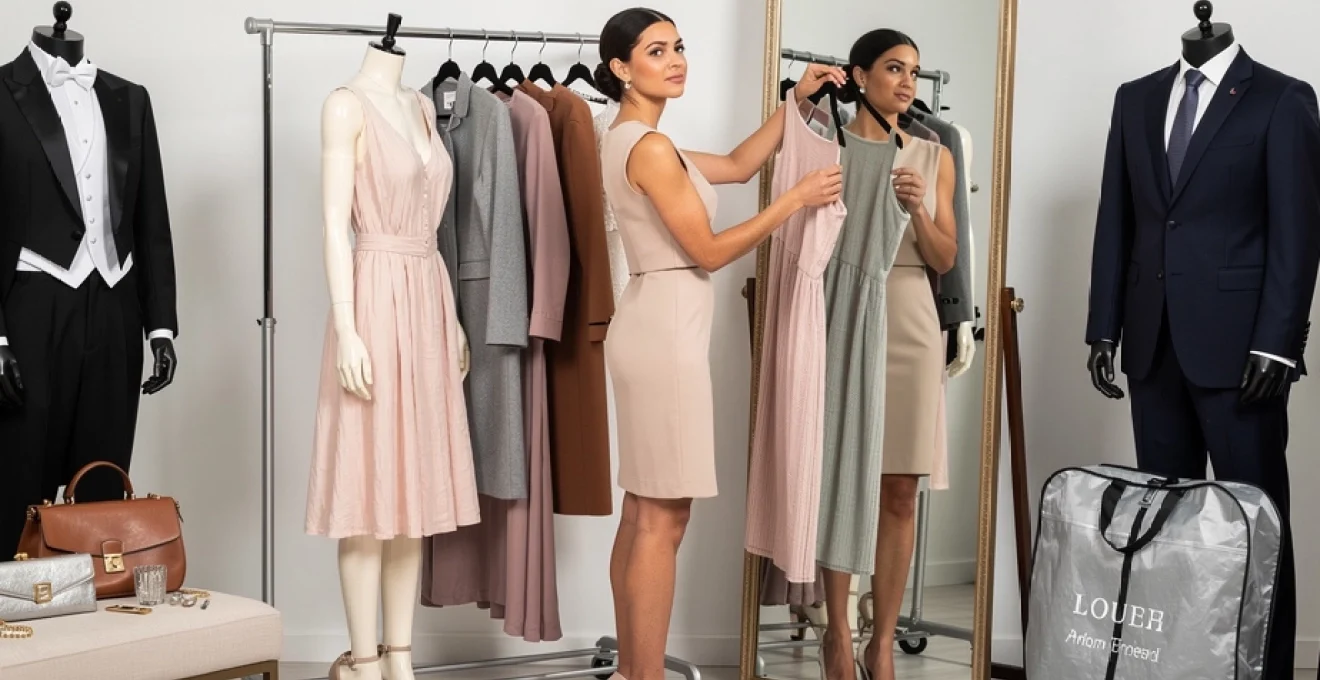
Navigating the intricate world of special occasion dressing can feel overwhelming, particularly when faced with cryptic dress codes and unfamiliar social expectations. The modern landscape of formal events has evolved significantly, encompassing everything from traditional black-tie galas to contemporary cocktail receptions, each demanding a nuanced understanding of appropriate attire. Whether you’re preparing for a wedding ceremony, corporate awards dinner, or seasonal celebration, the ability to decode dress requirements and select the perfect ensemble has become an essential social skill.
The art of occasion dressing extends far beyond simply looking presentable; it represents a form of visual communication that conveys respect for the host, understanding of social protocols, and personal style sophistication. Contemporary fashion has democratised formal wear, making luxury occasion pieces more accessible through rental platforms and high-street alternatives, whilst simultaneously expanding the definition of appropriate formal attire to include innovative silhouettes and modern interpretations of classic dress codes.
Understanding dress code classifications and formal event requirements
Mastering the hierarchy of formal dress codes forms the foundation of successful occasion dressing. The spectrum of formality ranges from casual elegance through to the most stringent white-tie requirements, each carrying specific expectations for fabric choices, silhouette selection, and accessory coordination. Understanding these classifications prevents the social awkwardness of arriving inappropriately dressed and ensures confidence throughout any formal gathering.
The evolution of dress codes reflects broader societal changes, with traditional rigid requirements becoming more flexible whilst maintaining their essential ceremonial significance. Modern interpretations allow for personal expression within established frameworks, acknowledging that contemporary formal wear can embrace diverse cultural influences and individual style preferences without compromising the inherent respect that appropriate dressing demonstrates.
Black tie event protocol and tuxedo selection criteria
Black tie events represent the pinnacle of evening elegance, demanding sophisticated understanding of formal wear traditions combined with contemporary styling sensibilities. For gentlemen, the classic dinner jacket remains the cornerstone of black-tie dressing, traditionally featuring satin-faced lapels, matching trouser stripes, and paired with a crisp white wing-collar shirt. The devil lies in the details: mother-of-pearl studs, silk cummerbunds or waistcoats, and patent leather shoes complete the ensemble with precision and refinement.
Ladies attending black-tie functions enjoy greater creative freedom whilst maintaining elegance standards. Floor-length evening gowns in luxurious fabrics such as silk, satin, or velvet provide the traditional foundation, though sophisticated cocktail dresses reaching below the knee have gained acceptance in many circles. The emphasis should remain on refined silhouettes that complement the wearer’s figure whilst demonstrating appropriate coverage for formal evening occasions.
White tie formality standards and tailcoat specifications
White tie represents the ultimate expression of formal evening wear, reserved for state dinners, diplomatic functions, and the most prestigious cultural events. This dress code demands absolute precision in execution, with gentlemen required to wear white bow ties, white wing-collar shirts with detachable collars, and full evening tailcoats with matching trousers featuring double silk braiding. The formality extends to accessories: white kid gloves, pocket watches, and opera pumps complete this highly ceremonial ensemble.
Female white-tie attire centres on full-length ball gowns crafted from the finest materials, often featuring elaborate embellishments, dramatic silhouettes, and sophisticated train details. The expectation for elegance reaches its zenith at white-tie events, where every element from hairstyling to jewellery selection contributes to an overall presentation of refined grandeur and social awareness.
Cocktail attire guidelines for evening reception functions
Cocktail attire strikes the perfect balance between formal sophistication and relaxed elegance, making it the most versatile dress code for contemporary social gatherings. This classification typically applies to evening receptions, gallery openings, and celebratory dinner parties where guests mingle freely and comfort becomes equally important as style. The key lies in achieving polished refinement without the rigidity of full formal wear.
Successful cocktail dressing emphasises quality fabrics in flattering silhouettes, with hemlines typically falling between knee and ankle length. Rich jewel tones, metallic accents, and textural interest through beading or embroidery enhance the festive atmosphere whilst maintaining appropriate sophistication. Accessories
play a crucial role here: a structured clutch, refined heels, and considered jewellery can instantly elevate a simple dress or tailored suit into something event-ready. For men, a dark, well-fitted blazer with pressed trousers, a collared shirt, and polished shoes usually meets the cocktail attire brief, with or without a tie depending on the venue. When in doubt, lean one step more formal; it is far easier to relax an outfit by removing a tie or swapping heels for flats than to compensate for being underdressed.
Business formal requirements for corporate galas and awards ceremonies
Business formal sits between traditional office wear and black tie, often specified for corporate galas, awards ceremonies, and high-level networking dinners. The aim is to project professionalism and authority while still acknowledging that you are at a celebratory event rather than a board meeting. Think of it as your most polished workwear, refined with evening-appropriate fabrics, footwear, and accessories.
For women, business formal for special occasions often means a structured midi dress, a tailored trouser suit, or a sleek pencil skirt with an elegant blouse in silk or crepe. Necklines should remain modest and hemlines ideally fall at or just below the knee, but colour and subtle prints are welcome, especially for evening corporate events. Men should opt for a dark, well-tailored suit in navy, charcoal, or black, a quality dress shirt, and leather Oxford or Derby shoes, with a classic tie or pocket square to signal occasion dressing rather than everyday office wear.
Because business formal events frequently involve speeches, networking, and photography, comfort and practicality matter as much as style. You may be standing for long periods, moving between tables, or walking on unfamiliar surfaces, so choose footwear you can comfortably wear for several hours. Avoid overly flashy or novelty pieces that could distract in a professional context; instead, use refined accessories and impeccable grooming to communicate confidence and respect for the occasion.
Seasonal fabric technology and weather-appropriate material selection
Selecting the right fabric for special occasions is just as important as choosing the right silhouette or colour. Fabric determines not only how an outfit looks but how it behaves in real life: whether you overheat under stage lights, shiver during an outdoor ceremony, or crease the moment you sit down. As textile technology continues to advance, you now have access to blends that combine luxury fibres with performance features like breathability, stretch, and moisture-wicking.
When planning an outfit for a formal event, always consider the season, venue, and likely temperature range. A winter charity ball in a historic venue may mean draughty corridors and chilly outdoor photographs, while a summer garden party can involve hours in direct sun. By understanding how different materials perform, you can build a small capsule of occasion wear that transitions smoothly from one season to the next while keeping you comfortable and polished.
Merino wool and cashmere blends for autumn wedding ceremonies
Autumn weddings and formal events often involve fluctuating temperatures: crisp outdoor ceremonies, warmer reception rooms, and cool late-night departures. Merino wool and cashmere blends are ideal for these conditions, offering natural temperature regulation, breathability, and a soft, luxurious hand feel. Unlike traditional heavy wool, fine merino drapes beautifully and can be woven into lighter suiting or knitwear that feels elegant rather than bulky.
For men, a merino wool suit or dinner jacket in deep navy, forest green, or charcoal provides warmth without sacrificing sharp lines. Women can look for dresses or co-ords that incorporate merino knit elements, or pair a satin or crepe dress with a cashmere wrap, cape, or tailored coat. These fibres also resist odour and creasing better than many synthetics, making them practical for all-day events where you may move between multiple locations.
If you are attending an outdoor autumn ceremony, think in layers: a merino base layer beneath a dress shirt, or a lightweight cashmere cardigan under a structured blazer, can keep you warm without adding bulk. Because these luxury fibres are an investment, choose versatile, classic cuts that you can re-wear across several seasons, such as a camel cashmere coat or a slim merino roll-neck to layer under suits and dresses.
Breathable linen and cotton-silk compositions for summer garden parties
Summer garden parties, beach weddings, and outdoor receptions call for fabrics that breathe and move with you. Linen and cotton-silk blends excel here, allowing air to circulate while still looking refined enough for special occasions. Pure linen offers exceptional breathability and a relaxed, effortless elegance, though its natural tendency to crease means it is best chosen in slightly relaxed silhouettes where gentle wrinkling looks intentional.
Cotton-silk compositions provide a polished alternative with a subtle sheen, ideal for dresses, shirts, and lightweight tailoring. These blends feel cooler on the skin than pure polyester and often photograph beautifully in natural light, an important consideration for events that will be well documented. For men, an unstructured linen blazer with tailored chinos and a crisp cotton shirt hits the right note for many semi-formal outdoor events, especially when paired with loafers or smart leather sandals, where appropriate.
To keep summer occasion outfits comfortable, look for partial or breathable linings rather than fully synthetic ones, and avoid heavy embellishment that can add unnecessary weight. Choosing lighter colours like ivory, sky blue, or soft pastels not only reflects heat but also complements the relaxed atmosphere of daytime celebrations. Ask yourself: will this fabric still feel comfortable after three hours in the sun? If the answer is no, reconsider your choice.
Velvet and brocade textiles for winter charity fundraisers
Winter charity balls, festive galas, and New Year’s Eve celebrations offer the perfect setting for richer, more dramatic textiles. Velvet and brocade both evoke a sense of opulence that aligns beautifully with evening events, particularly in cooler months. Their inherent weight and texture help keep you warm while adding depth and dimension to photographs taken under artificial light.
Velvet gowns, tuxedo jackets, and tailored blazers in jewel tones such as emerald, sapphire, or garnet immediately communicate winter glamour. Brocade, with its woven patterns and metallic threads, works especially well for cocktail-length dresses, statement skirts, and dinner jackets that stand out without relying on sequins. Men might experiment with a velvet dinner jacket paired with classic black trousers, while women can use a brocade skirt or velvet wrap dress as the focal point of a winter event outfit.
Because these fabrics are visually strong, balance is key. Keep silhouettes relatively simple and accessories refined so the texture can take centre stage. Consider the venue too: plush velvet can feel too heavy for a small, crowded, overheated bar, but is ideal for a grand ballroom or historic venue. If a full velvet or brocade piece feels too bold, introduce the fabric through accessories such as shoes, clutch bags, or bow ties.
Moisture-wicking synthetic blends for outdoor spring celebrations
Spring events can be unpredictable, with sudden showers, fluctuating temperatures, and damp grass to contend with. This is where modern moisture-wicking synthetic blends shine, particularly when you want to stay comfortable without compromising on style. Fabrics that combine polyester, nylon, or technical fibres with natural materials can pull moisture away from the skin and dry quickly, reducing the risk of visible perspiration marks during long ceremonies or active celebrations.
For outdoor spring weddings, look for dresses, jumpsuits, or shirts that incorporate performance linings or blends often used in contemporary suiting and occasion wear. Many brands now offer tailored pieces with discreet stretch and breathability, making it easier to move, sit, and dance without feeling restricted. Men might choose a lightweight stretch suit with a technical dress shirt that offers both moisture management and crease resistance for a long day of photographs and speeches.
Think of these modern blends as the hidden engineering of your outfit: not always visible, but crucial to how the garment performs. If you anticipate standing on damp grass or walking between venues, opt for hemlines that clear the ground and consider footwear with water-resistant finishes. Pairing technical underlayers with more traditional outer fabrics can also give you the best of both worlds—classic aesthetics with contemporary comfort.
Body type analysis and silhouette optimisation techniques
Understanding your body type is one of the most effective ways to choose special occasion outfits that make you feel confident from every angle. Rather than chasing trends, focus on silhouettes that balance your proportions, highlight your favourite features, and provide structure where you want it. This approach transforms outfit selection from a guessing game into a repeatable system you can rely on for every event.
One useful analogy is to think of dressing like interior design: you are working with fixed architectural features, but clever lines, colours, and focal points can change how the space is perceived. For those with broader shoulders or fuller busts, V-necklines, wrap dresses, and column skirts can create vertical lines that gently elongate the torso. If you have a defined waist, styles that cinch or belt at the midsection—such as fit-and-flare dresses, peplum jackets, or high-waisted trousers—draw attention to this natural asset.
For straighter figures, occasion wear that introduces shape through draping, ruching, or strategic tailoring can create the illusion of curves without adding bulk. Those with curvier hips or thighs often feel best in A-line skirts, bias-cut dresses, or wide-leg trousers that skim rather than cling. Men can apply similar principles through jacket length, lapel width, and trouser cut: a slightly tapered leg and structured shoulder can streamline the frame, while double-breasted jackets add presence to slimmer builds.
Fit remains the non-negotiable factor for every body type. A mid-range dress or suit that has been professionally altered will almost always look more expensive and flattering than a designer piece worn straight off the rack. Before a major event, schedule time for tailoring adjustments—hemlines, waist nips, and sleeve lengths can make the difference between “nice outfit” and “perfectly polished.” When trying on occasion wear, move around, sit, and lift your arms to ensure you will feel as good as you look throughout the event.
Colour theory application and complexion matching systems
Colour can dramatically influence how an outfit is perceived, especially in the context of special occasions where lighting, photography, and group coordination all come into play. The right shade can brighten your complexion, make your eyes appear more vivid, and even enhance your posture because you feel more confident wearing it. Applying basic colour theory and complexion analysis allows you to choose event outfits strategically rather than relying on trial and error.
In practical terms, colour selection for formal events involves three main considerations: how a hue interacts with your skin undertone, how it will appear under the event’s lighting conditions, and how it coordinates with the overall colour scheme (for example, a wedding palette or corporate brand colours). Just as an artist chooses a limited palette for a painting to maintain harmony, you can curate a small set of occasion colours that consistently photograph well and complement your natural colouring.
Undertone assessment using the drape method for skin analysis
Determining your skin undertone—whether it leans warm, cool, or neutral—forms the foundation of effective colour matching for special occasions. The drape method is a simple yet powerful technique: by placing different coloured fabrics or garments near your face in natural light, you can observe how each shade affects your complexion. Does your skin look fresher and more even, or do shadows and redness become more pronounced?
Start with clear contrasts: hold a rich tomato red versus a blue-based crimson, or a warm ivory against a cool, bright white. If warm shades make you look radiant while cooler ones leave you looking washed out, you likely have a warm undertone; the opposite suggests a cool undertone. If most colours look reasonably balanced on you, you may fall into the neutral category and can often wear a broader palette at formal events.
This method becomes particularly valuable when selecting high-impact pieces like evening gowns, tuxedo jackets, or statement jumpsuits, where the colour covers a large area and dominates photographs. Take a few minutes at home to experiment with existing items in your wardrobe before shopping or renting new occasion wear. By identifying your most flattering hues in advance, you can narrow your search, save time, and avoid last-minute panic purchases in unflattering colours.
Seasonal colour palette integration for photography-heavy events
Events that will be heavily photographed—weddings, graduations, milestone birthdays, and corporate awards—demand extra attention to how colours translate on camera. Seasonal colour analysis, which groups complexions into palettes like spring, summer, autumn, and winter, offers a structured way to choose shades that consistently flatter you and read well in both natural and artificial light. While you do not need to follow this system rigidly, it can act as a helpful guide.
For instance, those who suit “winter” palettes often look best in high-contrast, saturated tones such as true black, cobalt, and fuchsia, which can look striking in group photographs. “Autumn” types, by contrast, may shine in rich, earthy hues like olive, rust, and deep teal—ideal for rustic weddings or autumn galas. When you know your seasonal palette, you can select special occasion outfits that harmonise with both your complexion and the event’s aesthetic, reducing the risk of clashing with décor or bridal party colours.
Consider the lighting conditions too: cool, blue-toned lighting can make already cool colours appear even sharper, while warm candlelight softens and deepens warm shades. Before committing to a particular outfit, you might take a quick test photo in similar lighting if possible, especially if you are choosing bold colours or metallics. Investing time in this step pays dividends when you look back at event photographs years later and still love what you wore.
Complementary colour schemes for wedding party coordination
Coordinating colours for a wedding party or group event adds another layer of complexity to colour selection. Here, complementary colour schemes—where hues sit opposite each other on the colour wheel, such as navy and coral, or sage and soft rose—can create visually pleasing contrast without looking overly matched. The goal is harmony, not uniformity, so each person feels comfortable while the group reads as cohesive in photographs.
For bridesmaids or groomsmen, one effective strategy is to choose a base colour family and allow variations in tone, depth, or pattern. For example, a “dusty blue” brief might encompass everything from slate to powder blue, giving each person room to select a shade that flatters their undertone. Groomsmen might wear matching suits but differentiate through ties, pocket squares, or boutonnières that pick up accent colours from the floral design.
When you are a guest rather than part of the official party, it is courteous to avoid exactly matching the wedding colours unless requested. Instead, think in complementary terms: if the palette is blush and sage, a deeper berry, soft grey, or muted teal may work beautifully without blending into the bridal party. If you are unsure, asking the couple or planner for guidance is always acceptable and demonstrates respect for the effort invested in the event’s visual planning.
Accessory coordination and statement piece integration
Accessories are the finishing elements that transform a good outfit into a memorable special occasion look. They act like punctuation in a sentence: subtle shifts in jewellery, footwear, or bags can change the tone from understated elegance to high-glamour drama. The challenge lies in striking the right balance between cohesive coordination and over-accessorising, especially when working with embellished fabrics or strong colours.
A useful rule of thumb is to select one primary statement piece—perhaps chandelier earrings, a bold clutch, or standout shoes—and allow other accessories to play a supporting role. For a heavily beaded gown, keep jewellery delicate and let the dress remain the focal point; for a sleek, minimalist jumpsuit, you can afford bolder pieces such as sculptural necklaces or cuff bracelets. Men can apply the same principle through a distinctive watch, patterned tie, or textured pocket square set against a classic suit.
Functionality should guide your choices as much as aesthetics, particularly for long events. Opt for an evening bag just large enough to hold essentials (phone, keys, lipstick, and perhaps a compact or tissues), and choose shoes with a heel height and shape you can comfortably stand and dance in. Where possible, align metal tones across jewellery, hardware, and belt buckles to create a pulled-together effect, though mixing metals can look modern when done intentionally. Above all, ensure your accessories support your overall message—respect for the occasion, alignment with the dress code, and a clear expression of your personal style.
Budget-conscious shopping strategies and investment piece prioritisation
Curating a versatile special occasion wardrobe does not have to mean constant spending or one-time-only outfits. With thoughtful planning, you can balance standout looks with smart budgeting, making use of rental services, high-street options, and second-hand luxury to maximise value. The key is to distinguish between investment pieces—timeless garments you will re-wear for years—and trend-led items better sourced at lower price points or borrowed for a single event.
Begin by identifying the types of events you attend most often: are you frequently a wedding guest, do you attend corporate galas, or are festive parties more common? This event audit helps you prioritise purchases that will deliver a strong cost-per-wear. Neutral-toned suits, classic black or navy evening dresses, and quality outerwear are usually worth investing in, while highly distinctive prints or ultra-specific themes may be better met through rentals or affordable brands.
Rental platform comparison: rent the runway vs HURR collective
Rental platforms have revolutionised occasion dressing by giving you access to designer pieces at a fraction of the purchase price. Two widely known options are Rent the Runway (US-focused) and HURR Collective (UK-based), each with slightly different strengths. Rent the Runway offers extensive subscription and one-off rental models, with a broad catalogue of contemporary and luxury brands spanning gowns, jumpsuits, accessories, and even workwear.
HURR Collective operates as a peer-to-peer and managed rental hybrid, allowing you to borrow directly from other users as well as from curated collections. Its focus on sustainability and circular fashion appeals to those who want to reduce the environmental impact of single-use outfits, especially for high-profile events. When choosing between platforms, consider factors such as geography, delivery windows, cleaning policies, and size availability; planning at least two weeks in advance increases your chances of finding the right special occasion outfit in your preferred size.
Rental works particularly well for statement pieces that would be difficult to re-wear frequently, such as sequin gowns, bold printed suits, or themed-event ensembles. For items you expect to wear several times a year, however, purchasing may still be more cost-effective in the long term. Ask yourself: is this a “one-night-only” look, or can I realistically imagine styling it three or more different ways?
Cost-per-wear analysis for designer occasion wear purchases
Cost-per-wear analysis is a straightforward but powerful budgeting tool that helps you decide when designer occasion wear is worth the investment. To calculate it, divide the total cost of the item by the number of times you realistically expect to wear it. A £500 dress worn once has a cost-per-wear of £500, whereas a £300 tailored blazer worn to ten events and professional meetings costs just £30 per wear.
Applying this lens often shifts priorities towards versatile, high-quality pieces in classic cuts and flattering colours. A well-cut navy tuxedo, an elegant black jumpsuit, or a neutral metallic clutch can move seamlessly between weddings, formal dinners, and festive parties with only minor styling changes. Conversely, an ultra-trendy silhouette or highly distinctive print may date quickly or feel inappropriate for certain events, pushing up its cost-per-wear even if the initial price seemed reasonable.
When considering a significant purchase, mentally map out at least three distinct ways you could style the piece with items you already own. If you struggle to imagine multiple uses, it may be better suited to rental, or you might look for a similar style in a more adaptable colour or fabric. Over time, this approach builds a curated wardrobe of reliable “event heroes” that reduce stress and last-minute spending.
High-street alternative sourcing from zara, ASOS, and & other stories
High-street retailers such as Zara, ASOS, and & Other Stories offer a wealth of budget-friendly options for special occasions, especially when you need something on shorter notice. These brands track runway trends closely, releasing dresses, suits, and separates that mimic designer silhouettes at accessible price points. With a discerning eye and attention to fabrication, you can assemble an outfit that looks far more expensive than it actually is.
Focus on pieces with clean lines, minimal but thoughtful details, and fabrics that drape well; often, the simplest designs age the best and are easiest to tailor. Checking customer reviews and real-life photos can help you gauge fit, fabric quality, and true-to-colour accuracy before ordering. Because returns are common in online shopping, build in time to try on multiple sizes and send back anything that does not meet your expectations well before the event.
To elevate high-street occasion wear, pair it with carefully chosen accessories and, where possible, minor alterations. A £60 dress with a professionally adjusted hem and a quality belt can rival far more expensive options in overall effect. By mixing high-street clothing with investment shoes, bags, or jewellery, you create balanced outfits that feel polished yet financially sustainable.
Vintage and pre-owned luxury market navigation through vestiaire collective
The pre-owned luxury market has become an invaluable resource for budget-conscious shoppers who still value craftsmanship and iconic design. Platforms like Vestiaire Collective specialise in authenticating and reselling designer pieces, from evening gowns and tuxedos to bags, shoes, and fine jewellery. This circular approach not only reduces waste but also allows you to access high-quality occasion wear at significantly reduced prices compared to buying new.
When browsing pre-owned platforms, filter by size, condition, and material to narrow your search, and pay close attention to seller photos and descriptions. Look for timeless silhouettes and brands known for durable construction—classic black dresses, structured blazers, and leather accessories tend to hold their shape and style for many years. If possible, check measurements rather than relying solely on labelled sizes, as designer sizing can vary between collections and decades.
Buying vintage or pre-owned is particularly effective for securing statement accessories that can be worn with multiple outfits, such as a designer clutch, silk scarf, or cufflinks. Think of these items as long-term investments that instantly lift more affordable dresses or suits into special occasion territory. With a little research and patience, you can build a distinctive, sustainable, and cost-effective occasion wardrobe that feels as individual as the events you attend.