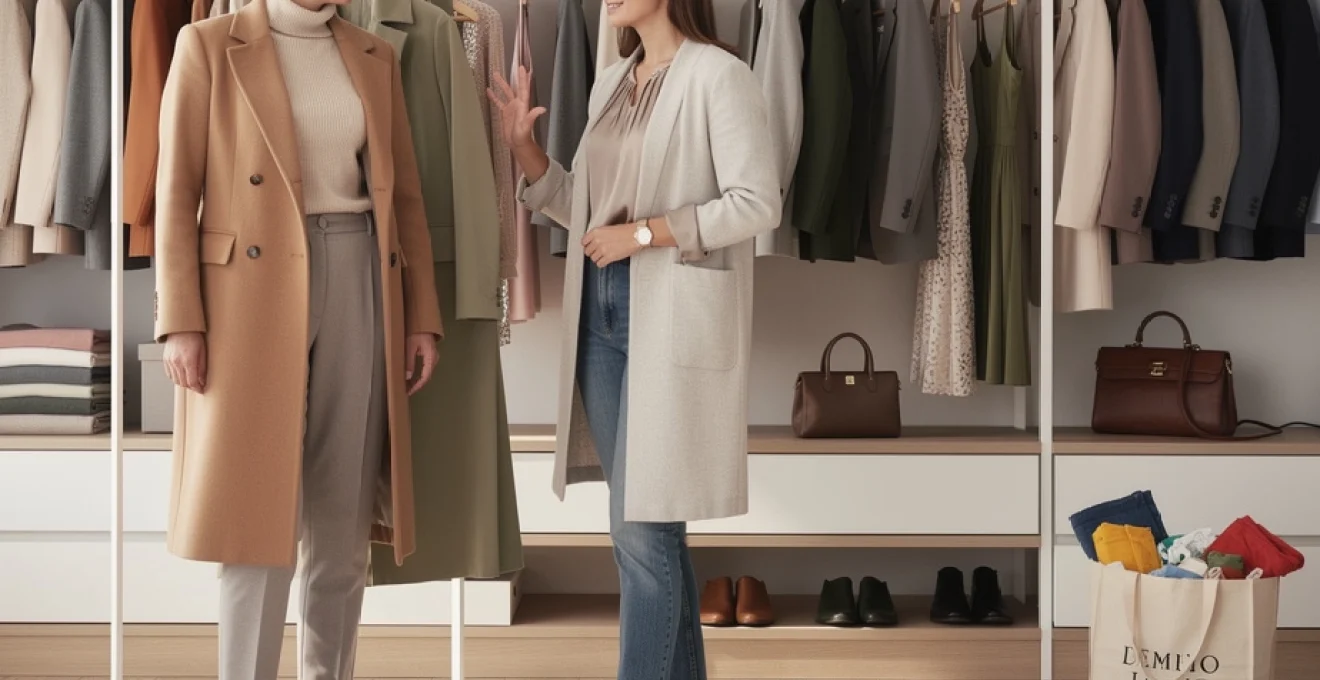
The art of seamlessly transitioning your wardrobe between seasons represents one of fashion’s most practical yet sophisticated challenges. Rather than maintaining separate collections for each season, creating a cohesive wardrobe that adapts to changing temperatures requires strategic planning, quality investment pieces, and an understanding of layering principles. Modern textile innovations and contemporary design philosophy have revolutionised how you can approach seasonal dressing, making it possible to maintain both style and comfort throughout the year without extensive wardrobe overhauls. This approach not only maximises your clothing investment but also promotes sustainable fashion practices while ensuring you’re always appropriately dressed for Britain’s notoriously unpredictable weather patterns.
Capsule wardrobe foundation principles for Multi-Season adaptability
Building a successful transitional wardrobe begins with understanding capsule wardrobe principles that prioritise versatility over volume. The foundation of effective seasonal transitions lies in selecting pieces that serve multiple purposes across different weather conditions. This methodology focuses on creating a streamlined collection where every item coordinates with at least three others, ensuring maximum outfit possibilities with minimal pieces.
Core neutral colour palette selection using the 70-20-10 rule
The 70-20-10 colour rule provides a mathematical framework for building a cohesive wardrobe that transitions effortlessly between seasons. Seventy percent of your wardrobe should consist of neutral base colours such as navy, black, grey, beige, or white. These foundational neutrals create the backbone of your transitional wardrobe, providing endless mixing possibilities whilst maintaining sophistication across all seasons.
Twenty percent should incorporate complementary secondary colours that bridge your neutrals with seasonal trends. These might include deeper burgundies for autumn transitions or softer blues for spring movement. The remaining ten percent allows for accent colours that can shift seasonally, enabling you to refresh your look without significant investment. This systematic approach ensures colour harmony whilst providing flexibility for seasonal expression through accessories and statement pieces.
Investment piece identification through Cost-Per-Wear analysis
Cost-per-wear analysis transforms how you evaluate clothing purchases by calculating the true value of each garment over its lifetime use. Quality pieces that transition between seasons effectively often justify higher initial costs through extended wear cycles. A well-constructed blazer costing £200 that you wear twice weekly for two years represents a cost-per-wear of approximately £1.92, making it exceptionally economical compared to cheaper alternatives requiring frequent replacement.
Focus your investment on pieces that bridge multiple seasons: structured blazers, quality knitwear, versatile trousers, and classic outerwear. These foundational pieces should demonstrate superior construction, timeless styling, and fabric quality that withstands frequent wear and seasonal transitions. Consider fabrics like wool crepe, quality cotton blends, and ponte knits that maintain their shape and appearance across multiple wearing cycles.
Fabric weight stratification for temperature regulation
Understanding fabric weights enables strategic layering that responds to temperature fluctuations throughout transitional periods. Lightweight fabrics (under 200gsm) form base layers, medium weights (200-400gsm) provide structure and warmth, whilst heavyweight options (over 400gsm) deliver maximum insulation. This stratification allows you to add or remove layers as needed whilst maintaining outfit proportions and style integrity.
Modern textile technology has introduced seasonless fabrics that perform across temperature ranges, such as merino wool blends that provide cooling in summer and warmth in winter. These innovative materials eliminate the need for complete seasonal wardrobe swaps, enabling year-round wear with strategic layering adjustments.
Versatile silhouette architecture in contemporary fashion design
Contemporary silhouette design emphasises clean lines and proportional balance that accommodate layering without compromising style. A-line shapes, straight-leg trousers, and structured blazers provide frameworks that work effectively across seasons when layered appropriately. These classic silhouettes avoid trend-driven elements that may date quickly, ensuring longevity in your transitional wardrobe.
Consider how each piece’s cut allows for layering beneath or above. Blazers should accommodate lightweight knitwear underneath, whilst maintaining their shape when worn alone.
Similarly, trousers with a mid-rise and a straight or gently tapered leg will sit comfortably over base layers in winter yet look sleek with bare ankles and loafers in spring. When you view each garment as part of an architectural system rather than a standalone piece, you begin to prioritise ease of movement, layering capacity, and longevity over passing trends. This mindset is at the heart of a capsule wardrobe that transitions effortlessly between seasons.
Strategic layering systems for temperature fluctuation management
Once your capsule foundations are in place, the next step is developing a strategic layering system that allows you to respond to temperature swings without changing your entire outfit. Instead of owning four separate wardrobes for four seasons, you create a three-tier system of base, insulation, and shell layers that can be combined in different ways. Think of this as your personal climate control: you regulate warmth and comfort through intelligent wardrobe decisions rather than relying on central heating or air conditioning.
A well-designed layering strategy ensures you remain comfortable on those days when you leave the house in a chill and return in unexpected sunshine. It also helps your wardrobe feel coherent; the same dress that worked with sandals in August becomes a winter staple when styled with tights, boots, and a fine-gauge roll neck underneath. By understanding how each layer functions, you can build seasonal outfits that feel intentional rather than improvised.
Base layer moisture-wicking technology in merino wool and synthetic blends
The base layer is the first line of defence between your skin and the elements, and its primary job is moisture management. Traditional cotton T-shirts tend to absorb sweat and stay damp, which quickly makes you feel cold when temperatures drop. In contrast, merino wool and technical synthetic blends are engineered to wick moisture away from the skin and dry quickly, keeping you warm and comfortable even as your activity level changes throughout the day.
Modern merino wool is far removed from the itchy knitwear you may remember from childhood. Fine merino fibres (typically 17–19 microns) feel soft against the skin, regulate body temperature, and naturally resist odour, which is why they are used in high-performance outdoor clothing as well as everyday basics. Synthetic options such as polyester or polyamide blends with moisture-wicking finishes can offer similar benefits at a lower price point, although they may retain odours more easily and require more frequent washing. For a transitional wardrobe that needs to work across commuting, office time, and weekend walks, a small selection of merino or technical base layers in neutral colours can be transformative.
Insulation layer methodology using down fill power and synthetic alternatives
The insulation layer traps warm air close to the body, acting like the loft insulation in your home. Here, the choice between down and synthetic fills becomes important. Down is measured in fill power, which indicates how much space a given weight of down occupies; higher fill power (700 and above) generally means better warmth-to-weight performance. This makes high-quality down jackets or gilets ideal for cold yet dry conditions where you want maximum warmth without bulk.
Synthetic insulation, often made from polyester fibres, has improved dramatically over the past decade and now offers credible alternatives to down, particularly in damp climates. Unlike down, synthetic fillings retain much of their insulating ability when wet and dry more quickly, making them a practical option for everyday wear in unpredictable weather. For transitional dressing, consider slim-line insulated vests or lightweight quilted jackets that can slip under a trench coat in winter or over a shirt on crisp spring mornings, giving you flexible warmth without compromising on silhouette.
Shell layer weather protection through DWR coating and membrane technologies
The outer, or shell, layer is your wardrobe’s shield against wind and rain. In technical terms, this layer often relies on two key technologies: DWR coatings (durable water repellent) and waterproof-breathable membranes such as Gore-Tex or eVent. A DWR finish causes water to bead and roll off the fabric surface rather than soaking in, helping you stay dry in light showers and preventing fabrics from feeling clammy. Over time DWR treatments can wear off, but they are relatively simple to refresh with wash-in or spray-on products.
For more serious weather protection, particularly in winter or on rainy commutes, look for shell pieces that combine a robust outer fabric with a breathable membrane. These membranes allow moisture vapour from perspiration to escape while blocking external water ingress, reducing that “boil in the bag” feeling that can come from non-breathable raincoats. When you pair a breathable shell with appropriate base and insulation layers, you gain a system that adapts from a chilly morning walk to a heated train carriage without requiring a complete outfit change.
Transitional piece integration with cardigans, blazers, and light knitwear
Between the technicalities of base, insulation, and shell, it is easy to overlook the quiet power of transitional pieces such as cardigans, blazers, and lightweight knitwear. These garments act as the “dimmer switch” of your wardrobe, allowing you to fine-tune warmth and formality without losing the essence of your outfit. A longline cardigan over a summer dress takes you into autumn; the same cardigan under a wool coat sees you through the depths of winter.
When choosing these pieces, focus on mid-weight fabrics that drape well and layer smoothly—fine merino, cotton-cashmere blends, or high-quality ponte knits are excellent options. Blazers with a little stretch in the fabric will be more comfortable over fine knits, while cropped cardigans and sleeveless vests pair well with high-waisted trousers and skirts. Ask yourself: does this piece work over a camisole, a shirt, and a thin jumper? If the answer is yes, you have found a true transitional staple.
Textile technology and fabric innovation for year-round wear
Textile innovation has dramatically expanded what is possible in a small, versatile wardrobe. Fabrics that once belonged solely to sportswear or tailoring now appear in everyday pieces designed to perform from January to December. By understanding how different textiles behave, you can make more informed choices and avoid garments that look beautiful on the hanger but languish unworn because they are uncomfortable outside a narrow temperature range.
In practical terms, this means seeking out fabrics that combine structure with stretch, breathability with durability, and comfort with polish. The goal is to create outfits that look boardroom-ready, weekend-appropriate, or travel-friendly simply by switching shoes and accessories, rather than owning separate clothes for each scenario. Let us explore some of the key fabric families that support effortless wardrobe transitions.
Ponte roma and technical jersey performance in structured garments
Ponte Roma (often shortened to ponte) and technical jersey fabrics offer an elegant solution for those who want tailored silhouettes without sacrificing comfort. Ponte is a double-knit fabric, usually made from a blend of viscose, polyester, and elastane, which gives it weight, stretch, and excellent recovery. This combination makes it ideal for structured dresses, cigarette trousers, and blazers that hold their shape yet move with you throughout the day.
Technical jerseys, originally developed for activewear, now appear in tailored joggers, pencil skirts, and blazers with hidden performance features. Many of these fabrics wick moisture, resist creasing, and pack well, making them perfect for travel or long workdays that shift from meetings to dinners. Choosing ponte or technical jersey pieces in neutral colours effectively gives you “smart pyjamas” that look professional but feel as comfortable as loungewear—precisely what a multi-season, multi-purpose wardrobe demands.
Wool crepe and gabardine durability in professional wardrobes
For more formal dressing, wool crepe and wool gabardine remain gold-standard fabrics thanks to their durability, drape, and seasonless appeal. Wool crepe has a slightly textured surface and fluid fall that flatters the body without clinging, making it a popular choice for dresses, skirts, and softly tailored trousers. Its natural breathability means it works surprisingly well in both cool and warm environments, particularly when lined with lightweight materials.
Gabardine, by contrast, is a tightly woven twill that offers more structure and excellent crease resistance, which is why it has historically been used for trench coats and suiting. A well-cut gabardine blazer or pair of trousers will look sharp for years, especially if you choose a mid-weight fabric that can be worn with a silk blouse in summer and a fine knit in winter. Investing in a few gabardine or wool crepe pieces in your core neutral palette is a strategic way to anchor your wardrobe while keeping it appropriate year-round.
Modal and tencel breathability for climate-responsive dressing
As we look for more sustainable and breathable options, regenerated cellulose fibres such as Modal and Tencel (also known as lyocell) have become increasingly popular. Both are derived from wood pulp and processed in closed-loop systems, making them more environmentally responsible than many conventional fibres. From a wearer’s perspective, these fabrics offer a silky hand-feel, excellent drape, and impressive moisture management, which makes them ideal for tops, dresses, and blouses that need to feel cool in summer yet layer smoothly under knitwear in winter.
Modal and Tencel blends resist creasing better than pure cotton and often feel softer against the skin. In a transitional wardrobe, a Tencel shirt dress can be worn with bare legs and sandals in warmer months, then reimagined with tights, boots, and a roll neck underneath when temperatures fall. Similarly, Modal T-shirts and long-sleeve tops make superb base layers: they are breathable enough for milder days but cosy when paired with woollen layers.
Performance cotton blends with elastane for movement and recovery
Pure cotton will always have a place in our wardrobes, but performance cotton blends that include elastane or other technical fibres can significantly increase comfort and longevity. These blends are particularly effective for garments that experience a lot of movement, such as jeans, chinos, and fitted shirts. A small percentage of elastane (typically 1–3%) improves stretch and recovery, helping garments maintain their shape instead of sagging at the knees or elbows after a few hours of wear.
For year-round wear, look for mid-weight cotton blends that balance breathability with structure. Denim with a touch of stretch will feel comfortable on warmer days yet still allow for tights or base layers underneath when it is cold. Similarly, a cotton-elastane shirt can be layered under a jumper without feeling restrictive at the shoulders. When you combine these performance fabrics with the layering principles discussed earlier, you gain outfits that move with you and adapt to different temperatures and activities.
Wardrobe storage solutions and garment preservation techniques
A truly effortless seasonal wardrobe is not just about what you wear—it is also about how you store and care for your clothes between seasons. Poor storage can undo the benefits of careful curation, leading to misshapen knitwear, faded colours, and, in the worst cases, moth damage. By implementing a few professional-grade storage techniques, you protect your investment pieces and ensure that every seasonal transition feels like opening a thoughtfully curated boutique rather than tackling a chaotic stockroom.
Start by separating in-season and off-season garments so that only current pieces occupy prime wardrobe space. Off-season items should be cleaned before storage, as invisible residues from sweat, perfume, or food attract moths and can cause staining over time. Where possible, use breathable cotton garment bags or fabric storage boxes instead of sealed plastic, which can trap moisture and encourage mildew. Delicate pieces can be wrapped in acid-free tissue paper to preserve their shape and colour.
Seasonal colour theory application in wardrobe transition planning
Colour is one of the most effective tools for making your wardrobe feel seasonally appropriate without changing its core contents. While your 70–20–10 neutral-based palette remains constant, subtle shifts in accent colours and combinations can move an outfit from high summer to deep winter. This is where seasonal colour theory becomes practical: rather than buying new clothes, you adjust the “mood” of your existing pieces through colour pairing.
In spring and summer, you might combine your neutrals with lighter, more luminous shades—soft blues, blush pinks, fresh greens—that create an airy, lifted effect. As autumn arrives, you can pivot towards warmer, earthier tones such as rust, olive, and mustard, perhaps introduced through scarves, knitwear, or handbags. Winter accents often lean into richer, deeper hues like burgundy, forest green, or midnight blue, which pair beautifully with black, navy, and charcoal. By planning a small set of interchangeable accents for each season, you give your transitional wardrobe emotional variety without increasing its physical size.
Investment vs fast fashion cost analysis for sustainable seasonal dressing
Finally, transitioning your wardrobe between seasons effortlessly is as much a financial strategy as it is a style decision. Fast fashion’s low upfront prices can be tempting, but when garments lose their shape after a few washes or feel inappropriate outside a narrow trend window, the true cost becomes apparent. A simple cost-per-wear analysis often reveals that higher-quality pieces, chosen with seasonal versatility in mind, deliver far better value over time.
When you invest in well-made, timeless garments—those ponte trousers that work in every season, the wool coat that suits both office and weekend, the Tencel dress that layers beautifully—you reduce the need for constant replacement and impulse purchases. This does not mean never buying anything new; rather, it means buying less but better, and ensuring that every new addition earns its place by working across multiple seasons and contexts. In doing so, you create a sustainable, transitional wardrobe that supports your lifestyle, respects your budget, and minimises environmental impact year after year.