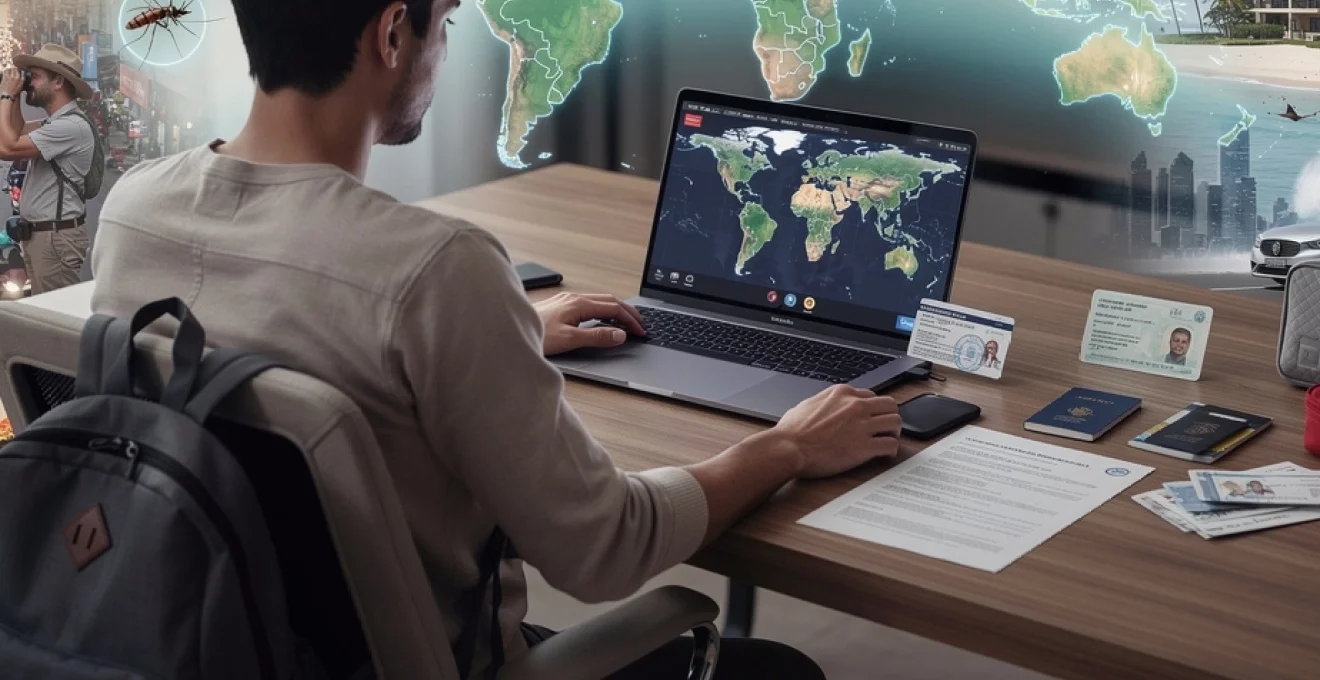
# Travel Safety Tips for Different Regions of the World
International travel presents extraordinary opportunities for cultural enrichment, professional development, and personal growth. Yet the reality remains that each destination carries its own unique security landscape, health considerations, and regulatory frameworks that demand careful attention. Modern travellers face an increasingly complex array of challenges—from sophisticated cybercrime operations to region-specific health threats and evolving political instability. Understanding these risks and implementing appropriate mitigation strategies can mean the difference between a transformative journey and a crisis situation requiring consular intervention.
The differentiation between tourist-friendly environments and high-risk jurisdictions has become more pronounced in recent years. What works perfectly well in Singapore’s orderly urban environment may prove entirely inadequate in regions experiencing armed conflict or endemic crime. This comprehensive analysis examines proven safety protocols tailored to specific geographical contexts, drawing on State Department advisories, international security assessments, and verified incident data to provide actionable guidance for your travels.
Pre-departure risk assessment and travel documentation requirements
Thorough preparation begins weeks before departure, with comprehensive risk assessment forming the foundation of any responsible travel plan. This process involves consulting multiple authoritative sources to develop an accurate understanding of destination-specific threats. Government travel advisory systems provide regularly updated information on political stability, crime patterns, health outbreaks, and natural disaster risks. Cross-referencing these sources against commercial risk intelligence platforms delivers a more complete security picture than relying on any single information stream.
Documentation requirements extend far beyond simply possessing a valid passport. Many jurisdictions require passports with at least six months validity beyond your intended departure date, while others demand specific numbers of blank visa pages. Failure to meet these technical requirements can result in denied boarding or immigration refusal upon arrival. Creating a comprehensive document portfolio that includes photocopies and secure cloud-based digital versions of all critical paperwork provides essential backup should original documents be lost, stolen, or confiscated by authorities.
Consular registration systems: STEP, ATAS, and smartraveller protocols
The Smart Traveler Enrollment Program (STEP) administered by the U.S. Department of State represents a critical yet frequently overlooked safety measure. Registration creates an official record of your presence in a foreign jurisdiction, enabling consular officers to locate and assist you during emergencies ranging from natural disasters to civil unrest. STEP registration also ensures you receive real-time security alerts specific to your location, providing advance warning of developing threats that might not yet appear in mainstream news coverage.
Australian citizens benefit from analogous protection through the Smartraveller registration service, while British nationals utilise consular services coordinated through Foreign, Commonwealth & Development Office systems. These platforms facilitate emergency communication during crisis situations when commercial telecommunications infrastructure may be compromised or overwhelmed. Registration takes only minutes but can prove invaluable when evacuation operations commence or when family members need to confirm your safety following a major incident.
Vaccination certificates and WHO international health regulations compliance
International health regulations mandate specific vaccinations for entry into numerous countries, particularly those in tropical regions where yellow fever, cholera, and other serious diseases remain endemic. The International Certificate of Vaccination or Prophylaxis, commonly known as the “yellow card,” serves as official documentation of immunisation status. Some nations strictly enforce these requirements at border crossings, refusing entry to travellers without proper certification regardless of visa validity or other documentation.
Beyond mandatory vaccinations, recommended prophylaxis for diseases like malaria, typhoid, and hepatitis deserves serious consideration based on your specific itinerary. Consultation with travel medicine specialists six to eight weeks before departure allows sufficient time for multi-dose vaccine series to reach full efficacy. These medical professionals can also prescribe appropriate antimalarial medications and provide guidance on food and water safety protocols specific to your destinations.
Travel insurance policy analysis: medical evacuation and repatriation coverage
Comprehensive travel insurance represents far more than a bureaucratic formality—it provides essential financial protection against catastrophic expenses that can easily reach six figures. Medical evacuation from remote regions to facilities capable of providing adequate care regularly costs between £50,000 and £150,000, expenses that few travellers could absorb without insurance coverage. Standard domestic health policies typically provide minimal or no coverage outside your home country, leaving you financially exposed during medical emergencies abroad.
Policy analysis must extend beyond simple price comparison to examine coverage limits, exclus
ions, and exclusions related to pre-existing conditions, adventure activities, and pandemics. You should verify that emergency medical expenses, medical evacuation, and repatriation of remains are covered to amounts appropriate for the region you are visiting, particularly if you will be in remote locations or countries with limited healthcare infrastructure. Pay close attention to clauses concerning “reasonable and customary charges,” as these can cap reimbursements far below actual costs in high-fee medical markets such as the United States or parts of the Middle East.
It is wise to select a travel insurance provider that offers 24/7 multilingual assistance and has established protocols with global assistance companies for coordinating hospital admissions and medical airlifts. Consider whether your policy covers security evacuation in cases of political unrest, terrorism, or natural disaster, as these scenarios are increasingly relevant in high-risk destinations. Finally, keep both digital and printed copies of your travel insurance certificate, and store the emergency contact number in your phone and wallet so you can access support quickly when under stress.
Visa security clearances for high-risk jurisdictions
Travel to high-risk jurisdictions often requires more than a standard tourist visa. Some countries impose additional screening measures, security interviews, or background checks for visitors, particularly those working in journalism, NGOs, or sensitive industries such as energy or defence. You may be asked to provide proof of employment, an invitation letter from a local sponsor, or detailed itineraries that include accommodation and internal transport arrangements. Failing to disclose accurate information can result in visa refusal or denial of entry at the border.
When planning travel to destinations classified as “high risk” or “do not travel” by your government, review consular guidance well in advance and consider obtaining professional advice from a corporate security provider or specialist travel risk consultancy. Some organisations require internal travel approval and may mandate hostile environment awareness training before authorising entry into conflict-affected areas. Remember that overstaying a visa, entering restricted regions without permits, or engaging in unauthorised work can escalate routine immigration issues into serious legal problems, especially where judicial systems are less transparent.
Regional security protocols for Sub-Saharan africa
Sub-Saharan Africa encompasses a vast range of security environments, from stable business hubs to areas impacted by conflict and high crime rates. Many travellers underestimate both the health risks and the logistical complexity of moving safely across borders and between urban and rural areas. A robust travel safety strategy for this region combines medical preparedness, situational awareness, and locally informed security advice. You will often find that risks vary dramatically within the same country—what is acceptable in a capital city may be inappropriate in an outlying province.
Before departure, consult region-specific advisories and consider engaging local security providers when travelling to areas classified as “increased risk,” “high risk,” or “very high risk” on international travel risk maps. Reliable ground transportation, vetted drivers, and secure accommodation with controlled access are central components of safe travel in Sub-Saharan Africa. Above all, flexibility is essential: itineraries may need to change at short notice due to localised unrest, weather events, or infrastructure failures.
Anti-malarial prophylaxis and vector-borne disease prevention in kenya and tanzania
Kenya and Tanzania offer world-class safari experiences, but they are also regions where malaria and other vector-borne diseases such as dengue and chikungunya are endemic. Malaria risk is particularly significant in coastal zones and lower-altitude safari areas, whereas some highland cities have lower transmission levels. A pre-travel consultation with a tropical medicine specialist will help you select appropriate chemoprophylaxis, taking into account your medical history, itinerary, and length of stay. Common regimens include atovaquone-proguanil, doxycycline, or mefloquine, each with its own dosing schedule and side-effect profile.
Medication alone is not sufficient; physical protection against mosquito bites is equally critical. Use insect repellent containing DEET, picaridin, PMD, or IR3535 on exposed skin, and wear long sleeves and long trousers in the evenings when mosquitoes are most active. Many lodges in Kenya and Tanzania provide mosquito nets, but you should still check for tears and ensure they are properly tucked in. Where possible, choose accommodation with screened windows or air conditioning. By combining anti-malarial tablets with barrier methods, you dramatically reduce the risk of contracting a serious illness that could derail your trip.
Carjacking mitigation strategies in johannesburg and nairobi metropolitan areas
Johannesburg and Nairobi are key commercial centres in Sub-Saharan Africa, but both cities experience elevated levels of violent crime, including carjacking. Many incidents occur at intersections, fuel stations, and outside residential compounds where vehicles are stationary. If you must drive, keep windows closed and doors locked, and avoid displaying valuables such as smartphones or laptops. Maintain a safe following distance so you can manoeuvre away if a situation appears suspicious, and avoid driving at night in unfamiliar or poorly lit areas whenever possible.
Corporate travellers and higher-risk visitors often mitigate exposure by using vetted drivers and secure transport arranged through reputable hotels or security companies. When stopping at traffic lights or in congestion, remain alert to individuals approaching your vehicle; if you feel threatened, it may be safer to proceed cautiously rather than become boxed in. In the unlikely event of an attempted carjacking, your personal safety takes precedence over property—do not resist if weapons are present. Compliance, calm behaviour, and non-confrontational communication significantly reduce the likelihood of serious injury.
Wildlife encounter safety measures in kruger national park and serengeti
National parks such as Kruger and the Serengeti are carefully managed environments, yet wildlife remains unpredictable and potentially dangerous. Tourists are sometimes lulled into a false sense of security by well-maintained roads and frequent sightings of game vehicles. Remember that large animals—including elephants, buffalo, hippos, and big cats—can cover ground much faster than you expect and may react aggressively if they feel threatened. Always follow the instructions of your guide and never attempt to approach or feed wildlife, even if animals appear calm or habituated to vehicles.
If you are self-driving in Kruger or similar reserves, remain inside your vehicle at all times unless you are at a designated, clearly marked area where getting out is expressly permitted. Keep windows mostly closed near predators, and never block an animal’s path or separate young from adults. Night-time movements should be kept to a minimum, and walking in unfenced areas without an armed, qualified guide is strongly discouraged. Well-briefed travellers who respect park rules can enjoy close wildlife encounters while keeping both themselves and the animals safe.
Political instability monitoring in sahel region countries
Countries in the Sahel region—such as Mali, Burkina Faso, Niger, and parts of northern Nigeria—face ongoing security challenges, including terrorism, armed banditry, and periodic coups. Travel advisories for these areas frequently recommend against non-essential travel, and some insurers may exclude coverage for specific provinces or entire countries. If travel is essential, you should implement a high level of risk management, including real-time monitoring of local developments through trusted security intelligence providers and liaison with in-country partners.
Route planning is critical: overland travel between cities or across borders may pass through zones of active conflict or irregular checkpoints operated by non-state actors. It is often safer to fly between major hubs and arrange secure transfers with vetted drivers at each end. You should also maintain strict communication protocols, including regular check-ins with a designated contact and contingency plans for shelter-in-place or rapid evacuation. In volatile environments, seemingly minor triggers—such as a localised protest or fuel shortage—can escalate quickly, so a conservative approach to movement is advisable.
Southeast asian urban centre safety considerations
Southeast Asia’s major cities—Bangkok, Hanoi, Ho Chi Minh City, Manila, Jakarta, and Phnom Penh—are vibrant hubs that attract millions of international visitors each year. While they are generally safe for travellers who exercise basic precautions, rapid urbanisation and dense traffic create distinct types of risk. Many incidents involve road accidents, petty crime, and health issues linked to food hygiene or air pollution rather than targeted violent crime. Understanding how these urban systems function will help you move through them more confidently and safely.
Local norms around transport, bargaining, and nightlife may differ from what you are used to at home. By observing residents, asking hotel staff for up-to-date advice, and starting your explorations in daylight, you can quickly identify neighbourhoods that feel secure and others where extra caution is warranted. Travel safety in Southeast Asian cities is less about avoiding the destination altogether and more about adapting your behaviour to local conditions.
Motorbike accident prevention in bangkok, hanoi, and ho chi minh city traffic systems
Motorbikes dominate the streets of Bangkok, Hanoi, and Ho Chi Minh City, creating complex traffic flows that can be intimidating for visitors. Road accidents are one of the leading causes of injury and death among travellers in Southeast Asia, particularly those who rent scooters without adequate training or protective gear. If you are not an experienced rider, the safest option is to avoid driving motorbikes altogether and instead use reputable taxis, ride-hailing apps, or public transport. No travel photo is worth a serious head injury.
If you do choose to ride, ensure you hold an appropriate licence recognised in the country you are visiting and that your travel insurance explicitly covers motorbike use. Always wear a high-quality, properly fitted helmet and closed footwear, and avoid riding at night, in heavy rain, or after consuming alcohol. Remember that traffic rules may be applied inconsistently, and other road users may not anticipate your movements. Defensive driving—assuming that others may change lanes abruptly or ignore signals—is essential for reducing risk.
Food hygiene risk management and traveller’s diarrhoea prevention protocols
One of the great pleasures of travelling in Southeast Asia is sampling its diverse street-food culture. However, unfamiliar microbes in food and water can lead to traveller’s diarrhoea, which affects up to 40–60% of visitors to developing regions. Basic food hygiene strategies go a long way: choose busy stalls with high turnover, where food is cooked to order and served piping hot. Be cautious with raw salads, unpeeled fruits, and ice made from untreated water, particularly in smaller towns where water purification standards may vary.
Carrying oral rehydration salts and a basic supply of anti-diarrhoeal medication can help you manage mild symptoms without disrupting your itinerary. For higher-risk individuals—such as those with underlying digestive conditions—your doctor may prescribe stand-by antibiotics to be used under specific circumstances. Think of food safety overseas as similar to cybersecurity at home: you do not need to be paranoid, but you do need to be intentional about which “links” you click. With sensible precautions, you can enjoy local cuisine while minimising gastrointestinal setbacks.
Tsunami early warning systems in phuket and bali coastal zones
Coastal destinations such as Phuket and Bali offer stunning beaches but also sit in regions with a history of seismic activity and tsunamis. Since the 2004 Indian Ocean tsunami, early warning systems, sirens, and evacuation routes have been significantly upgraded in many tourist areas. On arrival, take a few minutes to identify tsunami evacuation signage, which usually points toward higher ground or designated safe zones. Your hotel may provide an emergency information sheet—reading it is a small investment of time that could make a major difference in an emergency.
If you feel a strong earthquake or notice sudden, unusual changes in the sea—such as the rapid retreat of water from the shoreline—move inland and uphill immediately without waiting for official alerts. Treat tsunami warnings with the same seriousness as fire alarms in an aircraft or building. While the probability of experiencing such an event on a short holiday is low, being familiar with the basic signals and evacuation routes provides an extra layer of security for coastal travel.
Petty theft countermeasures in manila, jakarta, and phnom penh tourist districts
Petty theft and opportunistic crime are common in the busy tourist districts of Manila, Jakarta, and Phnom Penh. Typical scenarios include bag snatching from moving motorbikes, pickpocketing in crowded markets, and distraction scams in bars or on public transport. To reduce your risk, carry only what you need for the day and keep valuables such as passports and backup cards locked in your hotel safe. Cross-body bags worn to the front of your body are harder to snatch than shoulder bags or backpacks worn on your back.
At night, stick to well-lit streets and avoid walking alone through poorly populated areas, especially after visiting bars or clubs. Be cautious when strangers insist on taking you to “special” venues or offering deals that seem significantly cheaper than market rates. Just as you would not click on suspicious links in an email, you should treat unsolicited invitations with healthy scepticism. By maintaining situational awareness and making small adjustments—such as sitting near the driver on buses or keeping your phone out of sight—you significantly lower your chances of becoming a target.
Middle eastern geopolitical awareness and cultural sensitivity protocols
The Middle East is a region of striking contrasts: ultra-modern cities, ancient heritage sites, and complex geopolitical dynamics coexist within relatively small geographic areas. Travel safety here is as much about understanding legal and cultural frameworks as it is about assessing conventional crime risks. In many Gulf countries, for example, general street crime rates are low, but legal penalties for certain behaviours are far more severe than in Western jurisdictions. Being aware of these differences before you travel is critical to avoiding unintentional legal violations.
Rapidly shifting political landscapes also mean that government travel advisories for Middle Eastern countries can change at short notice. You should review official guidance in the weeks leading up to your trip and again just before departure, particularly if you plan to cross land borders or visit regions near active conflict zones. When in doubt, local knowledge—such as that provided by hotel security teams or trusted local partners—can offer real-time insight that complements official advisories.
Sharia law compliance requirements in saudi arabia and UAE
Saudi Arabia and the United Arab Emirates operate legal systems influenced by Sharia law, with strict regulations around dress, public behaviour, alcohol consumption, and social interactions. While the UAE has liberalised some aspects of its laws in recent years, enforcement can still be firm, especially outside major tourist hubs like Dubai. Visitors should familiarise themselves with local expectations regarding modest dress in public places, particularly in malls, government buildings, and religious sites. Clothing that is acceptable on a European beach may be considered offensive or illegal in certain Middle Eastern contexts.
Alcohol is tightly regulated in Saudi Arabia and only legally available in specific licensed venues in many parts of the UAE. Public intoxication, drink-driving, and possession of illicit drugs can result in harsh penalties, including imprisonment and deportation. Displays of affection in public, cohabitation outside marriage, and same-sex relationships may also fall foul of local laws. When you travel to these countries, think of yourself as a guest in someone else’s home: you may not agree with every rule, but respecting them is essential for your safety and legal security.
Restricted photography zones near military installations and government buildings
Across much of the Middle East, photographing military facilities, critical infrastructure, and some government buildings is prohibited and can lead to arrest or questioning by security forces. The challenge for travellers is that restricted sites are not always clearly marked, and what appears to be an interesting architectural landmark may actually be a sensitive installation. As a general rule, avoid taking photos of security checkpoints, border crossings, police officers, military vehicles, and embassies. When in doubt, ask permission from a local official or refrain from photographing altogether.
Drone use is subject to particularly strict regulation, with many countries requiring specific permits or banning recreational drones entirely. Violations can result in confiscation of equipment or serious legal consequences. While it may be tempting to capture dramatic aerial footage for social media, the risk often outweighs the reward in sensitive regions. Treat photography rules with the same level of respect you would give to customs regulations—overlooking them can turn a routine sightseeing excursion into a significant legal issue.
Women’s safety protocols and gender-segregated space navigation
Female travellers to the Middle East often report positive experiences, but they do navigate certain cultural norms that may be less familiar. Gender-segregated spaces—such as women-only sections on public transport, separate queues, or female-only areas in mosques and some public buildings—are common in parts of Saudi Arabia and other conservative states. Using these facilities where provided can enhance both comfort and safety, and demonstrates respect for local customs. Carrying a lightweight scarf can also be useful for covering hair or shoulders when visiting religious sites.
Women should exercise the same general precautions they would anywhere else in the world: avoid isolated areas at night, be cautious with alcohol consumption, and trust their instincts when interactions feel uncomfortable. If you experience harassment or feel unsafe, moving quickly into a busy, well-lit public space or approaching a family group, hotel staff, or a uniformed official can help de-escalate the situation. Many women find that dressing modestly and adopting a confident but reserved demeanour reduces unwanted attention and allows them to focus on enjoying the region’s rich cultural heritage.
Latin american cartel territory and urban violence mitigation
Latin America offers extraordinary cultural, culinary, and natural attractions, but some areas also experience high levels of organised crime, including drug trafficking and gang violence. While most tourists are not direct targets of cartel-related activity, they can be affected by collateral risks such as robberies, express kidnappings, and armed assaults. Safety conditions may vary dramatically between neighbourhoods in the same city, which makes local intelligence crucial. Hotel staff, corporate security teams, and trusted local contacts can help you identify safe routes and areas to avoid.
Travellers should keep a low profile, avoid ostentatious displays of wealth, and limit movements in high-risk zones after dark. Pre-booked, reputable transport is strongly recommended, especially when travelling from airports, bus terminals, or entertainment districts back to your accommodation. With thoughtful planning and heightened awareness, it is possible to enjoy cities like Mexico City, Bogotá, Rio de Janeiro, and Buenos Aires while significantly reducing your exposure to urban violence.
Express kidnapping prevention tactics in mexico city and bogotá
Express kidnappings—short-term abductions aimed at forcing victims to withdraw money from ATMs or transfer funds—have been reported in several Latin American cities, including Mexico City and Bogotá. Criminals may target passengers in unlicensed taxis, or individuals leaving nightlife districts late at night. To mitigate this risk, always use radio-dispatched taxis, hotel car services, or reputable ride-hailing apps, and verify vehicle and driver details before getting in. Avoid hailing taxis on the street, particularly when alone or after drinking.
It is good practice to carry a limited amount of cash and a low-limit bank card that you can hand over if confronted, while keeping larger reserves secure in your hotel safe. If you are unfortunate enough to be targeted, compliance and calm behaviour generally reduce the likelihood of violence—resistance can escalate the situation. Think of this strategy as a form of “financial firebreak”: by limiting what you carry and what can be withdrawn, you reduce the potential damage criminals can inflict in a short time frame.
Favela navigation safety in rio de janeiro and são paulo
Favelas in Rio de Janeiro and São Paulo are complex communities with vibrant cultures, but they also experience high levels of armed violence and drug-related conflict. Unaccompanied tourists entering these areas without local guidance may inadvertently cross invisible boundaries between rival groups or encounter police operations. Unless you have a strong reason to be there and are accompanied by a reputable local guide or community organisation, it is generally safer to avoid favelas altogether. Even well-meaning “slum tours” can raise ethical questions and should be carefully vetted for community benefit and security practices.
Navigation apps may suggest routes through favelas as the fastest option, particularly when driving. You should manually override these directions and stick to main roads recommended by locals or hotel staff. If you realise you have taken a wrong turn and entered a high-risk area, remain calm, avoid stopping unnecessarily, and leave the neighbourhood via the most direct, safe route. Drawing attention to yourself—by taking photos, playing loud music, or asking questions in the street—can increase your vulnerability.
Armed robbery countermeasures in buenos aires and lima tourist corridors
Buenos Aires and Lima attract large numbers of visitors to their historic centres, waterfronts, and nightlife districts. While many trips pass without incident, armed robberies and muggings do occur, especially at night and in quieter side streets. A layered approach to personal security is effective here: minimise what you carry, distribute valuables between different locations, and avoid using your phone openly while walking in dimly lit areas. Consider leaving high-value jewellery and watches at home; they can quickly make you stand out as a lucrative target.
If confronted by an armed robber, your priority is to preserve life and physical safety. Do not argue, chase the assailant, or attempt to negotiate—hand over what is demanded and focus on getting to a safe location as soon as the incident ends. Once secure, contact local police and your embassy or consulate to report the crime and obtain replacement documentation if needed. Although such experiences are distressing, advance mental rehearsal of how you would respond can help you act more calmly should the situation arise.
European pickpocketing hotspots and counter-surveillance techniques
Europe is often perceived as a low-risk destination, yet its major tourist centres have some of the highest rates of pickpocketing and travel scams in the world. Crowded attractions, efficient public transport networks, and distracted visitors create ideal conditions for organised theft groups. Unlike in some other regions, the primary risk in European capitals is usually property crime rather than violent assault, but losing your passport or wallet can still disrupt your itinerary and cause significant stress.
Travel safety in Europe hinges on situational awareness and modest but consistent precautions. By learning how pickpocket teams operate, you can recognise suspicious behaviour early and reposition yourself or your belongings to make yourself a less attractive target. Simple steps—like wearing your backpack on your front in crowded metro systems or using a money belt for important documents—can be remarkably effective.
Organised crime tactics at barcelona’s las ramblas and rome’s termini station
Las Ramblas in Barcelona and Termini Station in Rome are classic examples of European pickpocketing hotspots. Gangs often work in coordinated teams, using distraction techniques such as jostling, “accidental” spills, or sudden commotions to draw your attention while an accomplice lifts your belongings. In some cases, thieves pose as petition collectors, charity workers, or even tourists asking for directions. The density of visitors in these areas allows criminals to blend in easily and disappear quickly into the crowd.
When navigating these zones, keep high-value items out of easy reach, ideally in an inner pocket or concealed pouch rather than in a back pocket or open bag. Stand with your bag in front of you on metros and buses, and avoid placing phones or wallets on café tables where they can be snatched. If someone creates an unexpected disturbance near you—such as a staged argument or a group of people pressing in—your first instinct should be to check the security of your belongings. Treat your personal space on public transport like you would your inbox: if something feels like spam, assume it might be malicious.
ATM skimming detection methods in prague and budapest
Prague and Budapest are generally safe cities, but like many European capitals they experience periodic waves of ATM skimming. Criminals attach discreet devices to cash machines to copy card data and record PINs, often using hidden cameras or false keypads. To reduce your risk, favour ATMs located inside bank branches, shopping centres, or well-lit lobbies rather than standalone machines on quiet streets. Before inserting your card, gently wiggle the card reader and check that the keypad and fascia look firmly attached and aligned; loose or bulky components may indicate tampering.
Cover the keypad with your hand while entering your PIN, even if you do not see anyone nearby. Regularly check your bank and credit card statements for unfamiliar transactions, and set up transaction alerts where possible so you can respond quickly to suspicious activity. Carrying at least one backup card stored separately from your main wallet ensures that a compromised or blocked card does not immediately strand you without funds.
Protest and demonstration avoidance in paris, athens, and barcelona
Major European cities such as Paris, Athens, and Barcelona frequently host demonstrations, strikes, and political rallies. While many are peaceful, some can devolve into clashes with police, vandalism, or opportunistic looting. Tourists may be caught up in these events simply by being in the wrong place at the wrong time. Before heading out each day, check local news, hotel briefings, or municipal websites for information about planned protests or transport strikes that might affect your route.
If you encounter a demonstration unexpectedly, avoid the temptation to stop and take photos for social media. Instead, move away via side streets, keeping clear of police lines and groups of masked individuals. Tear gas and crowd-control measures can affect bystanders as well as participants, and foreign nationals involved in confrontations may face legal complications. As a guiding principle, steer clear of large, noisy gatherings unless you have a clear, purposeful reason to be there.
Digital security measures and cybercrime prevention across borders
As travel becomes more connected, digital security is an integral part of overall travel safety. Cybercriminals increasingly target travellers who rely on public Wi-Fi, use shared computers, or broadcast their locations on social media in real time. A compromised device can expose not only your personal data but also corporate networks and sensitive client information if you are travelling for work. Thinking of your devices as “digital passports” can help frame their importance: if you would not leave your physical passport unattended, you should not leave your data unprotected either.
Adopting a few key practices—such as using a virtual private network (VPN), enabling multifactor authentication, and limiting the personal information you share online—dramatically reduces your risk of cyber incidents abroad. These measures are particularly important in regions where state surveillance, data interception, or sophisticated criminal groups are known threats.
VPN configuration for public Wi-Fi networks in hotels and airports
Public Wi-Fi networks in hotels, airports, and cafés are convenient but often poorly secured, making them attractive targets for hackers using techniques such as man-in-the-middle attacks. A VPN encrypts your internet traffic, making it far more difficult for third parties to intercept your data or monitor your online activity. Before you travel, subscribe to a reputable VPN service, install the software on all your devices, and test the connection from home so you know how to use it confidently on the road.
Set your devices to avoid automatically connecting to open networks, and whenever possible, use password-protected networks rather than completely unsecured hotspots. For sensitive tasks such as online banking or accessing corporate systems, combine VPN use with secure browser connections (look for https in the address bar) and multifactor authentication. If a network name looks suspiciously similar to an official hotspot—for example, “Hotel_Free_WiFi” versus “HotelOfficialWiFi”—ask staff to confirm the legitimate one before connecting.
Rfid-blocking technology for passport and credit card protection
Many modern passports and credit cards contain RFID chips that can be read at short range by compatible scanners. While proven cases of long-range RFID skimming against travellers are relatively rare, using RFID-blocking sleeves or wallets is a low-cost, low-effort precaution. These products incorporate metallic layers that disrupt radio signals, preventing unauthorised reading of embedded chips. They are particularly useful for frequent travellers who carry multiple contactless cards and electronic travel documents.
That said, RFID protection should be viewed as one layer in a broader personal security strategy, not a complete solution. Traditional theft—physically stealing your passport or wallet—remains far more common than high-tech skimming. Prioritise basic measures such as keeping documents in secure, hard-to-access pockets, using hotel safes appropriately, and avoiding unnecessary handling of passports in public. Technology can support your safety, but it does not replace the need for awareness and good judgement.
SIM card security and international roaming vulnerability assessment
Your mobile phone number is often a gateway to your digital identity, used for two-factor authentication, banking alerts, and account recovery. When travelling, changing SIM cards, enabling roaming, or connecting to unfamiliar networks can introduce new vulnerabilities. In some jurisdictions, SIM registration requirements mean that your number may be tied to your passport details, creating additional privacy considerations. Before departure, review which of your accounts rely on SMS-based verification and consider switching to app-based authenticators where feasible, as these are generally more resistant to interception and SIM-swap attacks.
If you opt for a local SIM or an eSIM, purchase it from reputable providers—ideally directly from carrier stores or authorised retailers rather than informal street vendors. Set a strong screen lock on your phone, enable remote-wipe functionality, and back up key data before travel so that a lost or stolen device does not result in irretrievable information loss. Just as you would not leave your luggage unattended in a busy terminal, avoid leaving your phone unlocked and unattended in public spaces. With a thoughtful combination of technical safeguards and practical habits, you can keep your digital footprint secure wherever you travel.