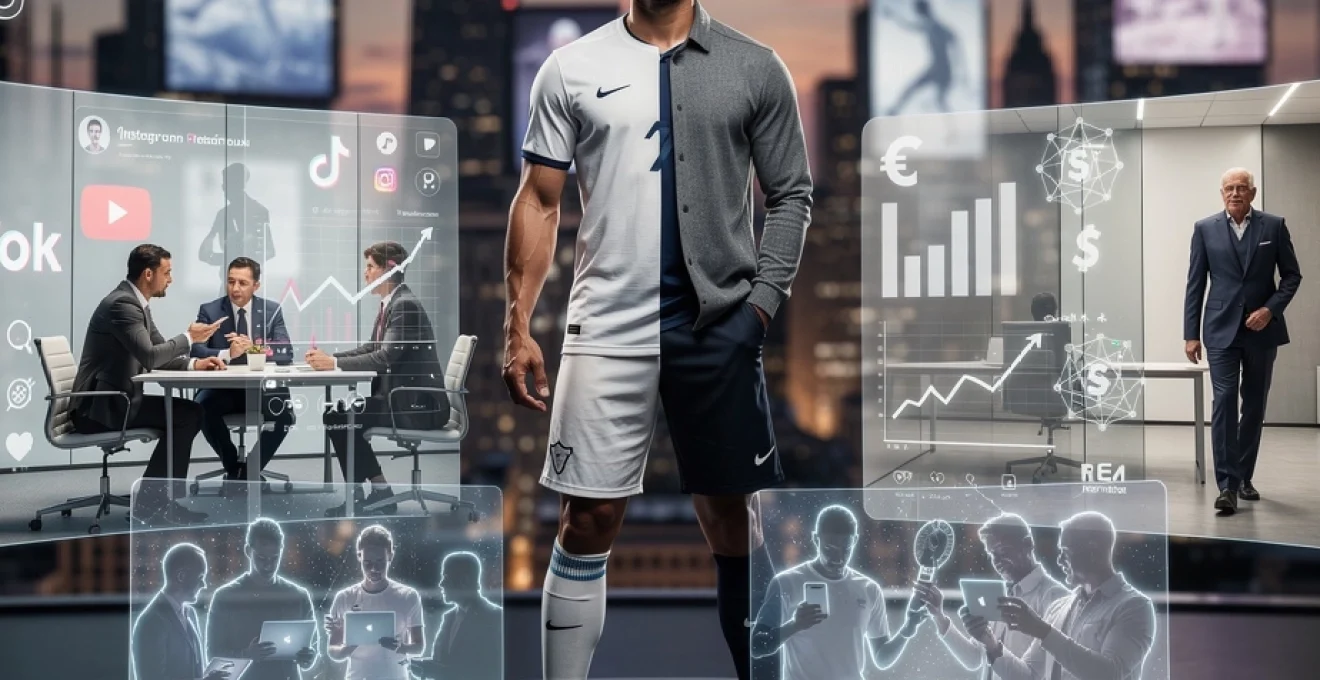
The landscape of professional sports has undergone a seismic transformation over the past two decades, with athletes evolving from performers into powerful commercial entities. Today’s sporting stars command global audiences that rival multinational corporations, with figures like Cristiano Ronaldo boasting Instagram followings that exceed the combined populations of entire nations. This unprecedented reach has fundamentally altered the economics of sport, creating opportunities for athletes to build lasting legacies that extend far beyond their playing careers.
The convergence of digital technology, social media proliferation, and changing consumer behaviours has positioned athletes at the centre of a new marketing ecosystem. No longer dependent on traditional media gatekeepers, modern athletes possess direct channels to communicate with millions of fans worldwide, creating authentic connections that translate into substantial commercial value. Strategic brand development has become as crucial as physical training, with the most successful athletes understanding that their personal brand represents their most valuable asset.
This shift reflects broader changes in consumer behaviour, where audiences increasingly seek authentic, personal connections with the brands and personalities they support. The modern sports fan demonstrates stronger loyalty to individual athletes than to teams, creating unprecedented opportunities for personal brand monetisation. Understanding these dynamics has become essential for athletes seeking to maximise their career potential and secure long-term financial stability.
Digital brand architecture for professional athletes in contemporary sports markets
The foundation of successful athlete branding rests upon a comprehensive digital architecture that encompasses visual identity, messaging consistency, and strategic platform selection. Modern athletes must approach their brand development with the same precision and methodology employed by Fortune 500 companies, recognising that every touchpoint contributes to their overall market position.
Personal brand identity development through visual consistency and messaging strategy
Visual consistency forms the cornerstone of effective athlete branding, with successful professionals maintaining unified colour palettes, typography choices, and imagery styles across all platforms. This consistency creates instant recognition and reinforces brand recall among audiences. The most successful athlete brands utilise professional design teams to develop comprehensive brand guidelines that dictate everything from social media templates to merchandise design.
Messaging strategy requires equal attention to detail, with athletes crafting core narratives that resonate with their target demographics while remaining authentic to their personal values. Successful messaging strategies typically focus on three to four key themes, such as perseverance, community engagement, or technical excellence, which are consistently reinforced across all communication channels.
Multi-platform content distribution systems for maximum audience engagement
Contemporary athlete branding demands sophisticated content distribution systems that optimise reach across multiple digital platforms simultaneously. This approach recognises that different audience segments prefer different platforms, requiring tailored content strategies for each channel while maintaining overall brand consistency.
The most effective distribution systems employ content calendars that coordinate releases across platforms, ensuring maximum engagement through strategic timing and cross-platform promotion. Athletes utilising these systems typically see engagement rates 40-60% higher than those employing ad-hoc posting strategies, demonstrating the clear value of systematic approaches to content distribution.
Strategic partnership integration with corporate sponsors and brand ambassadorships
Modern athlete branding extends beyond individual content creation to encompass strategic partnerships that amplify reach and credibility. Successful athletes carefully select partnerships that align with their personal values and brand positioning, creating mutually beneficial relationships that enhance both parties’ market positions.
These partnerships often extend beyond traditional endorsement models to include co-creation opportunities, equity stakes, and long-term ambassadorship roles. The most successful arrangements involve athletes as genuine partners in product development and marketing strategy, creating authentic connections that resonate more effectively with audiences than traditional advertising approaches.
Authentic storytelling methodologies for building emotional consumer connections
The power of athlete branding lies in its ability to create emotional connections between performers and audiences through authentic storytelling. This methodology requires athletes to identify and share personal narratives that demonstrate vulnerability, growth, and relatability while maintaining their aspirational appeal.
Effective storytelling methodologies typically focus on journey narratives, showcasing the challenges, setbacks, and triumphs that characterise athletic careers. These stories create emotional investment from audiences, transforming casual followers into devoted supporters who actively promote and defend the athlete’s brand.
Authenticity in storytelling creates the foundation for long-term brand loyalty that transcends individual performances or career setbacks.
</p
This emotional depth is what ultimately distinguishes a recognisable name from a truly resonant athlete brand, capable of withstanding performance slumps, transfers, injuries, or even retirement.
Social media monetisation strategies across instagram, TikTok and YouTube platforms
Once a clear digital brand architecture is in place, the next strategic priority is converting attention into revenue. Social media monetisation has become a central pillar of modern athlete careers, with platforms such as Instagram, TikTok, and YouTube functioning as direct-to-consumer channels. For many elite and emerging athletes alike, these platforms now rival or even exceed salary income, especially when managed through a structured brand strategy rather than sporadic posting.
Effective social media monetisation is not about chasing views for their own sake; it is about aligning revenue streams with the athlete’s positioning, values, and long-term career trajectory. When these elements are coherent, each piece of content simultaneously strengthens brand perception and opens new commercial opportunities.
Revenue stream diversification through sponsored content and affiliate marketing
Sponsored posts and affiliate marketing form the backbone of most athlete social media income strategies. Sponsored content typically involves brands paying a fixed fee for posts, stories, or videos that feature their products, while affiliate marketing compensates athletes via commission on sales tracked through unique links or discount codes. A diversified portfolio of both allows athletes to balance guaranteed income with scalable upside as their personal brand audience grows.
From a strategic standpoint, athletes should treat each partnership like a long-term asset rather than a one-off cash grab. Selecting sponsors that complement their performance narrative, lifestyle, or social impact focus ensures that every collaboration reinforces their personal brand rather than dilutes it. As a rule of thumb, athletes can aim to limit visible brand categories to a few strategic verticals—such as performance nutrition, fashion, and technology—rather than promoting every offer that appears in their inbox.
Affiliate marketing can be particularly powerful for athletes in niche sports or lower divisions who may not yet command large flat-fee sponsorships. By educating followers about specific products they genuinely use in training or recovery, they can create consistent, passive revenue streams. This “trusted recommendation” model converts brand loyalty into measurable sales, strengthening the athlete’s negotiating position for future deals.
Audience analytics and engagement rate optimisation techniques
Monetisation potential is not determined solely by follower count; brands increasingly value engagement rate, audience quality, and conversion potential. This is where analytics across Instagram Insights, TikTok Analytics, and YouTube Studio become critical tools in the athlete’s commercial strategy. By monitoring metrics such as saves, shares, watch time, and click-through rates, athletes can refine their content to maximise both reach and relevance.
Practical optimisation often involves simple but strategic adjustments: testing different posting times across time zones, experimenting with thumbnail designs, or adjusting caption length and calls to action. Just as athletes review match footage to improve performance, reviewing content performance data on a weekly basis helps identify what resonates most with specific audience segments. Over time, minor improvements compound into significantly higher engagement, which directly increases sponsorship value.
Another powerful tactic is to build “content series” rather than isolated posts—recurring formats such as “Matchday Prep”, “Training Tip Tuesday”, or “Recovery Routine Breakdown”. These series create anticipation and habitual viewing, which algorithms favour and sponsors value. For athletes, it is the digital equivalent of developing a signature move on the pitch: instantly recognisable and uniquely yours.
Long-form content creation for YouTube channel growth and ad revenue
While short-form content dominates Instagram Reels and TikTok, long-form YouTube content offers unmatched depth for storytelling, education, and sustained audience attention. For athletes, YouTube functions like a personal documentary channel, where they can share behind-the-scenes access, tactical insights, and long-form interviews that are impossible to convey in 15-second clips. This depth creates stronger emotional bonds and positions the athlete as an authority figure in their sport.
From a financial perspective, YouTube offers multiple income streams: ad revenue through the YouTube Partner Program, sponsorship integrations within videos, and links to merchandise or digital products in descriptions. Although it often takes longer to build momentum than on TikTok or Instagram, YouTube’s search-based discovery and evergreen content model mean that high-quality videos can continue generating views and income for years.
Structuring YouTube around clear content pillars—such as “Match Analysis”, “Training Science”, or “Life on the Road”—helps audiences understand what to expect and why to subscribe. Athletes can further increase ad revenue and session time by using playlists, end screens, and cards to guide viewers from one video to the next, mirroring how a well-designed training programme guides an athlete through progressive sessions.
Cross-platform content repurposing for maximum ROI and reach extension
Creating original, high-quality content takes time, and elite athletes already operate on tight schedules. The most effective personal brand strategies therefore rely on systematic content repurposing—taking a single “hero” piece of content and adapting it for multiple platforms. A 10-minute YouTube training breakdown can be clipped into vertical Reels, turned into a short tactical thread on X, and translated into still images and quotes for Instagram or LinkedIn.
This approach maximises the return on each filming session while respecting the native formats and audience expectations of each platform. Rather than simply reposting identical content everywhere, smart repurposing adjusts framing, captions, and hooks to match user behaviour: what performs as a tutorial on YouTube might become a quick inspiration clip on TikTok. In practice, it is similar to a coach adapting a core tactical idea for different competitions—same strategy, different execution.
By planning content with repurposing in mind from the outset, athletes and their teams can build efficient workflows that reduce creative burnout and maintain consistent posting schedules. Over time, this cross-platform visibility compounds brand recognition and ensures that key messages reach fans wherever they choose to spend their time online.
Post-career transition planning through strategic brand equity building
Even the most successful sporting careers are inherently short, with many athletes retiring before the age of 35. This reality makes post-career planning not a luxury, but a necessity. Strategic athlete branding functions as a bridge between the playing phase and the next professional chapter, whether that involves coaching, media work, entrepreneurship, or entirely new industries. The stronger the personal brand equity during active years, the smoother and more lucrative the transition becomes.
Brand equity in this context refers to the sum of trust, recognition, and perceived expertise that an athlete accumulates over time. When fans, sponsors, and industry stakeholders already associate an athlete with leadership, insight, or innovation, they are far more likely to support and invest in that athlete’s post-career ventures. In many cases, this brand equity can become a more valuable long-term asset than the athlete’s peak playing contract.
Proactive planning typically begins several years before retirement, with athletes gradually expanding their brand narratives beyond pure performance content. This might involve launching a podcast, investing in startups, collaborating on documentaries, or building an academy that reflects their playing philosophy. By positioning themselves as thinkers, creators, or business leaders while still active, athletes avoid the abrupt identity crisis that often follows retirement.
Importantly, a well-developed personal brand also provides optionality. An athlete who has consistently shared tactical analysis might transition into high-level punditry or coaching, while one known for community work could move into social impact leadership. In this way, athlete branding acts as both a spotlight and a safety net, illuminating new paths and cushioning the landing when the final whistle blows on their career.
Case study analysis: cristiano ronaldo’s CR7 brand empire and revenue diversification
Few examples illustrate the power of athlete branding more clearly than Cristiano Ronaldo and the CR7 empire. What began as a footballer’s nickname has evolved into a global lifestyle brand spanning fashion, fragrance, hospitality, fitness, and digital media. Ronaldo demonstrates how an athlete can leverage elite performance and massive social media reach into a diversified commercial ecosystem that will likely outlast his playing days by decades.
Central to the CR7 strategy is meticulous brand positioning around excellence, discipline, and aspirational lifestyle. Every public touchpoint—from social media posts to product launches—reinforces this narrative. His Instagram, with hundreds of millions of followers, acts as both a communication hub and a highly valuable advertising channel, enabling him to drive immediate awareness for new ventures without relying on traditional media campaigns.
Revenue diversification has been a defining feature of the CR7 model. Beyond traditional endorsements with brands like Nike, Ronaldo has launched CR7-branded clothing, underwear, and fragrance lines, co-founded hotels under the Pestana CR7 brand, and invested in gyms and wellness ventures. Each of these verticals taps into different consumer needs while leveraging the same core brand promise: the pursuit of peak performance and style.
Strategically, Ronaldo’s team has balanced licensing agreements—where partners pay to use the CR7 mark—with equity participation in ventures where Ronaldo shares in long-term growth. This blend of immediate cash flow and long-term asset building mirrors best practices in corporate branding. It also highlights a crucial lesson for emerging athletes: building a brand is not just about selling your image, but about using that image to gain ownership stakes in scalable businesses.
Finally, Ronaldo’s case underscores the importance of consistency and longevity in athlete branding. His commitment to physical condition, goal-scoring records, and intense work ethic has given credibility to every product and partnership associated with his name. For younger athletes considering how to build a personal brand, the CR7 example shows that commercial success is most sustainable when it rests on a clear identity and a decade-long track record of delivering on that promise.
Legal framework and intellectual property protection for athlete personal brands
As athlete brands grow in commercial value, legal and intellectual property (IP) protection becomes as important as marketing strategy. Without a solid legal foundation, athletes risk losing control over their name, image, and content—or seeing third parties profit from their brand without permission. Understanding this legal framework is essential for safeguarding both present income and future brand equity.
In practice, building an athlete brand is similar to developing a startup: once the concept gains traction, it must be protected. Names, logos, and slogans become trademarks; photos and videos are managed as creative assets; and image rights are licensed through carefully structured contracts. With global fanbases and international sponsorships, athletes increasingly operate across jurisdictions, making professional legal guidance non-negotiable.
Trademark registration processes for names, logos and catchphrases
Trademark registration is the first formal step in protecting an athlete’s brand identity. By registering their name, signature logo, or distinctive catchphrase as trademarks in key markets, athletes gain exclusive rights to use these elements in defined product and service categories. This prevents unauthorised merchandise, counterfeit products, and misleading endorsements that could damage the brand’s integrity.
Strategically, athletes should begin the trademark process as soon as a consistent brand identity has been established and there is evidence of commercial use or clear intent to use. Registration typically occurs on a country-by-country or regional basis—such as through the EU Intellectual Property Office—so prioritising markets with the highest fan concentration or commercial activity is essential. Over time, protection can be expanded as the brand grows globally.
In addition to names and logos, memorable phrases associated with an athlete can also become valuable assets. Whether it is a post-match motto or a signature tagline from social media, securing trademark protection for these phrases allows athletes to control their use on apparel, digital products, and marketing campaigns. This is how a simple nickname or quote evolves into a monetisable brand property.
Image rights management and commercial usage licensing agreements
Image rights refer to an individual’s right to control the commercial use of their likeness—typically including their face, name, signature, and voice. For high-profile athletes, these rights often represent a major source of income and must be carefully managed through dedicated entities or image rights companies. Structured correctly, image rights agreements can optimise taxation, simplify international deals, and provide clarity for all stakeholders.
Commercial licensing agreements specify how brands may use an athlete’s image in advertising, packaging, events, and digital campaigns. These contracts usually define geographic scope, duration, permitted media, and any exclusivity restrictions. For example, a boot deal may grant a sportswear brand exclusive use of the athlete’s likeness in the footwear category but not in nutrition or lifestyle content.
Clear image rights management also protects athletes from overexposure or association with conflicting messages. By centralising control through legal agreements, athletes can ensure that every public use of their image aligns with their personal values and long-term brand strategy. This is particularly important in an era where content can be shared globally within seconds and remain online indefinitely.
Contract negotiation strategies for brand clause integration in sports deals
Traditional player contracts and endorsement deals increasingly include complex clauses related to personal branding and content rights. Athletes and their representatives must pay close attention to how these clauses affect their ability to build and monetise their own platforms. For instance, some club or federation agreements may claim rights over certain types of content or restrict competing sponsorships in specific categories.
Strategic negotiation focuses on preserving as much flexibility as possible for the athlete’s independent brand activity. This can involve carving out rights for personal social media channels, retaining control over off-season partnerships, or limiting the duration and scope of exclusivity. When handled correctly, athletes can benefit from club or league exposure while still growing their individual commercial portfolio.
Another key element is revenue sharing from commercial use of an athlete’s image by teams or leagues. In some markets, collective bargaining agreements divide such revenue between organisations and players, while in others, individual deals prevail. Understanding these structures, and negotiating brand clauses accordingly, ensures that athletes are fairly compensated whenever their personal appeal is used to drive ticket sales, merchandise, or media rights.
Crisis management protocols for reputation protection and brand recovery
No matter how carefully a brand is built, reputational crises can occur—whether through on-field incidents, off-field controversies, or social media missteps. In the age of instant news and viral content, an athlete’s reputation can be damaged in hours, while recovery may take months or years. Establishing crisis management protocols in advance is therefore a crucial component of athlete brand protection.
Effective crisis strategies typically involve a cross-functional team including legal counsel, PR specialists, and brand managers. Together, they assess the situation, monitor sentiment, and craft a response that is timely, transparent, and aligned with the athlete’s established values. Sometimes this means issuing a clear apology and outlining corrective actions; in other cases, it might involve legal action against false or defamatory claims.
Long-term brand recovery often depends on consistent behaviour following the incident. Audiences are generally more forgiving when they see tangible evidence of learning, accountability, and positive change. By integrating these lessons into future content and community initiatives, athletes can not only rebuild trust but, in some cases, emerge with a stronger, more mature brand identity than before.
Performance metrics and ROI measurement for athlete brand investment returns
Like any strategic business initiative, athlete branding requires clear performance metrics and rigorous evaluation of return on investment (ROI). Without this data, it is impossible to know whether time spent on content creation, sponsorship negotiations, or brand collaborations is truly advancing long-term goals. Treating the personal brand as a business means tracking its performance with the same discipline used to analyse match statistics.
Core quantitative metrics include follower growth, engagement rate, video watch time, website traffic, and conversion rates on specific campaigns or discount codes. On the revenue side, athletes should monitor income by category—such as sponsorships, affiliate sales, merchandise, and appearance fees—to identify where their brand is most effective. Comparing these figures against the costs of production, management, and advertising spend reveals the true profitability of each activity.
However, not all value is immediately visible in financial statements. Qualitative indicators—such as improved media perception, increased speaking invitations, or stronger leverage in contract negotiations—also signal positive brand ROI. To capture these, athletes and their teams can conduct periodic brand perception surveys, gather feedback from sponsors, and track the quality of opportunities arriving in their inbox compared to previous seasons.
Ultimately, the goal is to create a feedback loop where data informs strategy. If a particular content format consistently generates high engagement and sponsor interest, it deserves more focus. If certain partnerships deliver low returns or misalign with audience expectations, they can be phased out. Over time, this evidence-based approach ensures that every hour and every post invested in the athlete’s brand contributes meaningfully to both present income and future career resilience.