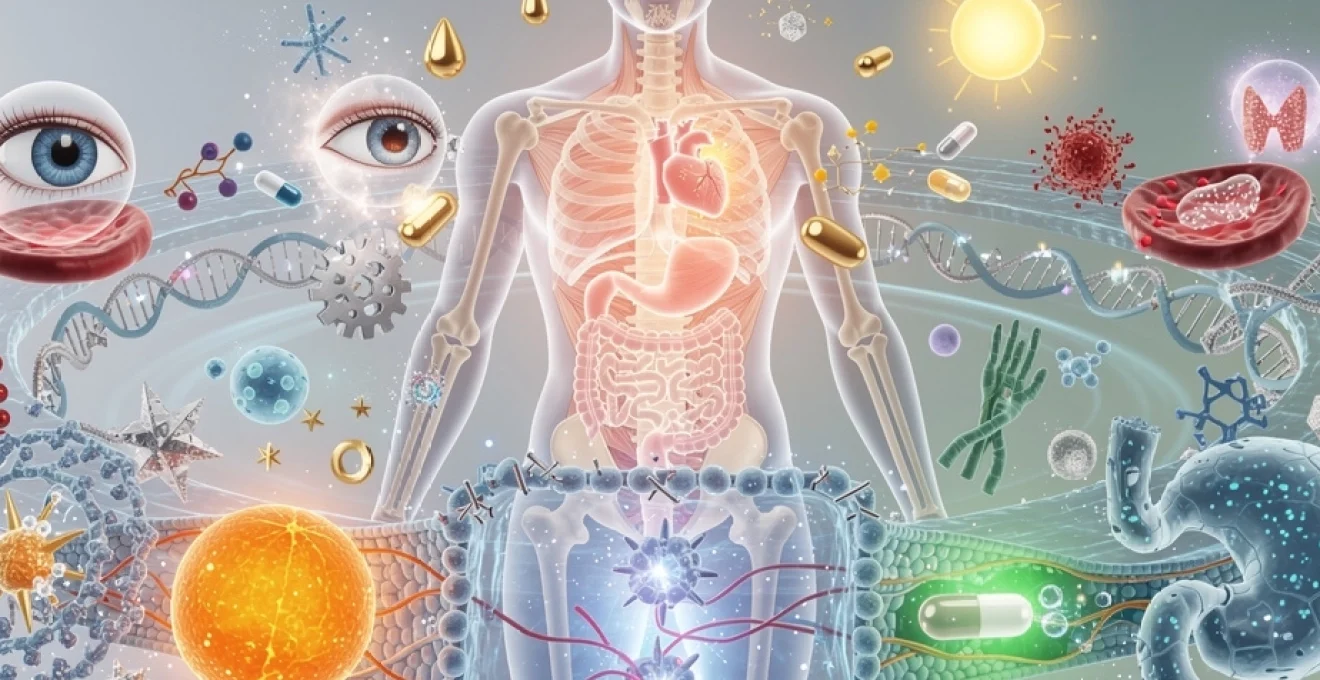
The human body operates as a sophisticated biochemical system where vitamins and minerals function as crucial catalysts and structural components. These micronutrients enable thousands of enzymatic reactions, maintain cellular integrity, and regulate physiological processes that keep us alive and thriving. Without adequate intake of these essential compounds, even the most fundamental biological mechanisms begin to falter, leading to deficiency diseases and compromised health outcomes. Understanding the precise biochemical roles of vitamins and minerals empowers you to make informed nutritional choices that support your body’s remarkable capacity for self-maintenance and renewal.
Modern nutritional science has revealed that these micronutrients don’t simply prevent disease—they optimise every aspect of human performance, from cognitive function to immune response. The intricate ways in which vitamins participate in metabolic pathways and minerals stabilise protein structures demonstrate the elegant complexity of human biochemistry. By appreciating these mechanisms at a molecular level, you gain insight into why certain dietary patterns promote longevity whilst others accelerate degenerative processes.
Fat-soluble vitamins: retinol, cholecalciferol, tocopherol and phylloquinone
Fat-soluble vitamins possess unique chemical properties that distinguish them from their water-soluble counterparts. These lipophilic compounds dissolve in fats and oils, allowing them to be stored in adipose tissue and the liver for extended periods. This storage capacity means you don’t need to consume them daily, but it also introduces the possibility of toxicity if excessive amounts accumulate over time. The absorption of fat-soluble vitamins depends critically on adequate dietary fat intake and proper bile acid secretion, making them particularly vulnerable to malabsorption in conditions affecting lipid digestion.
Vitamin A (retinol) and visual pigment regeneration in rod cells
Retinol plays an indispensable role in the visual cycle, the biochemical process that converts light into electrical signals in your retina. When photons strike the retina, they trigger the isomerisation of 11-cis-retinal to all-trans-retinal within rhodopsin molecules located in rod cells. This conformational change initiates a cascade of events that ultimately generates nerve impulses transmitted to your brain, enabling vision in low-light conditions. Without sufficient vitamin A, the regeneration of visual pigments becomes impaired, leading to night blindness—one of the earliest signs of deficiency.
Beyond vision, retinol and its metabolites regulate gene expression through retinoic acid receptors, influencing cellular differentiation and immune function. Retinoic acid acts as a signalling molecule that controls the development of epithelial tissues, maintaining the integrity of skin and mucosal barriers that protect against pathogens. Preformed vitamin A exists in animal products such as liver, eggs, and dairy, whilst provitamin A carotenoids like beta-carotene are abundant in orange and dark green vegetables. Your body converts these carotenoids to active retinol as needed, though conversion efficiency varies considerably between individuals due to genetic polymorphisms.
Vitamin D3 (cholecalciferol) synthesis through UVB exposure and calcium homeostasis
Cholecalciferol production begins when ultraviolet B radiation penetrates your skin and converts 7-dehydrocholesterol into previtamin D3, which then undergoes thermal isomerisation to vitamin D3. This hormone precursor travels to the liver for hydroxylation to 25-hydroxyvitamin D, then to the kidneys where it’s converted to the active form, 1,25-dihydroxyvitamin D (calcitriol). Calcitriol functions as a steroid hormone that binds to vitamin D receptors in the intestines, bones, and kidneys, orchestrating calcium and phosphate metabolism to maintain skeletal integrity and numerous other physiological processes.
The relationship between vitamin D and calcium homeostasis exemplifies the interconnected nature of mineral metabolism. Calcitriol increases intestinal calcium absorption, promotes bone mineralisation when calcium supplies are adequate, and stimulates bone resorption when serum calcium levels drop too low. Recent research has expanded our understanding of vitamin D’s role beyond bone health, revealing its involvement in immune modulation, cardiovascular function, and even mood regulation
Emerging evidence suggests that maintaining adequate vitamin D status may lower the risk of respiratory infections and certain autoimmune conditions, although research is still evolving. From a practical perspective, most adults living at higher latitudes or spending limited time outdoors benefit from checking their serum 25-hydroxyvitamin D levels and, if necessary, using a supplemental vitamin D3 source, especially during winter months. Dietary contributions from oily fish, egg yolks, and fortified foods support this, but sunlight remains the primary natural driver of cholecalciferol synthesis. Balancing sensible sun exposure with skin cancer prevention is key, so brief, regular exposure without burning is preferable to infrequent, prolonged sunbathing.
Vitamin E (alpha-tocopherol) as a lipid peroxidation chain breaker
Vitamin E, particularly in its alpha-tocopherol form, is the body’s primary fat-soluble antioxidant in cellular membranes and circulating lipoproteins. Reactive oxygen species can initiate lipid peroxidation, a chain reaction that damages polyunsaturated fatty acids within phospholipid bilayers and lipoprotein particles such as LDL. Alpha-tocopherol interrupts this chain reaction by donating a hydrogen atom to lipid peroxyl radicals, stabilising them and preventing further propagation of oxidative damage. In doing so, it protects membrane integrity, preserves enzyme function, and reduces the formation of oxidised lipoproteins implicated in atherosclerosis.
Once oxidised, vitamin E itself becomes a relatively stable radical that can be regenerated by other antioxidants such as vitamin C and glutathione, illustrating the synergy within the body’s antioxidant network. You obtain vitamin E from nuts, seeds, vegetable oils (like sunflower and safflower), and whole grains, with small amounts present in green leafy vegetables. Individuals with fat-malabsorption conditions or very low-fat diets are at higher risk of deficiency, which may manifest as neuromuscular problems due to oxidative damage in nerve membranes. While high-dose supplements have shown mixed results in clinical trials, ensuring adequate intake from whole foods remains a cornerstone of long-term cardiovascular and cellular health.
Vitamin K2 (menaquinone) and gamma-carboxylation of osteocalcin
Vitamin K exists in two main forms: phylloquinone (K1) from leafy greens and menaquinones (K2) produced by intestinal bacteria and found in fermented foods and some animal products. Its biochemical hallmark is enabling gamma-carboxylation of specific glutamate residues in vitamin K-dependent proteins, converting them into gamma-carboxyglutamate (Gla) residues. This modification allows proteins such as osteocalcin and matrix Gla protein to bind calcium ions with high affinity. In bone, carboxylated osteocalcin helps anchor calcium into the hydroxyapatite matrix, promoting proper mineralisation and skeletal strength.
Beyond bone health, vitamin K2-dependent proteins in vascular tissues help prevent inappropriate calcification of arteries and soft tissues, a subtle but important aspect of cardiovascular health. You can support vitamin K status by regularly consuming dark leafy vegetables (for K1) and, where culturally appropriate, fermented foods like natto, certain cheeses, and yoghurt (for K2). People on vitamin K antagonists such as warfarin must manage their intake carefully under medical supervision, as fluctuations can affect anticoagulation control. For most individuals, a diet rich in green vegetables and moderate fermented food intake provides sufficient vitamin K to support both coagulation and bone metabolism.
Water-soluble b-complex vitamins and cellular energy metabolism
Unlike fat-soluble vitamins, B-complex vitamins dissolve in water and are not stored extensively, so consistent intake is essential to maintain optimal body function. These vitamins act primarily as coenzymes that enable enzymes in metabolic pathways to convert macronutrients into usable energy. If you imagine your mitochondria as microscopic power plants, B vitamins are the specialised tools that keep their machinery running smoothly. Deficiencies can therefore manifest quickly as fatigue, neurological symptoms, or impaired cognitive performance.
Because water-soluble vitamins are excreted in urine when consumed in excess, toxicity is relatively uncommon compared with fat-soluble vitamins. However, this also means that restrictive diets, chronic alcohol use, gastrointestinal disorders, or certain medications can rapidly deplete B-vitamin reserves. Whole grains, legumes, animal proteins, nuts, and seeds collectively provide a broad spectrum of B-complex vitamins, underscoring why diverse, minimally processed foods are fundamental for robust energy metabolism. Understanding how each B vitamin supports cellular pathways helps you appreciate why even subtle shortfalls can reduce your resilience to physical and mental stress.
Thiamine (B1) as thiamine pyrophosphate in the krebs cycle
Thiamine (vitamin B1) is converted in cells to its active coenzyme form, thiamine pyrophosphate (TPP), which is essential for several key dehydrogenase complexes. In the Krebs cycle and linked pathways, TPP serves as a cofactor for pyruvate dehydrogenase and alpha-ketoglutarate dehydrogenase, enzymes that bridge glycolysis and aerobic energy production. Without adequate thiamine, pyruvate and lactate accumulate, and ATP generation becomes inefficient, particularly in high-demand tissues such as the brain and heart. This is why early signs of thiamine deficiency often include fatigue, irritability, and cognitive changes.
At more severe levels, deficiency leads to beriberi and Wernicke–Korsakoff syndrome, conditions historically seen in populations subsisting on polished rice and in individuals with chronic alcohol misuse. You can support thiamine status by eating whole grains, legumes, nuts, pork, and seeds, which naturally contain this nutrient. Because thiamine is heat and water sensitive, prolonged boiling or refining of grains can significantly reduce content, illustrating how food processing impacts micronutrient density. For people with increased requirements or absorption issues, targeted supplementation under professional guidance may be warranted to maintain efficient carbohydrate metabolism.
Riboflavin (B2) and FAD cofactor formation for electron transport chain
Riboflavin (vitamin B2) underpins the structure of two crucial coenzymes: flavin mononucleotide (FMN) and flavin adenine dinucleotide (FAD). These flavin cofactors participate in redox reactions across multiple metabolic pathways, most notably within the mitochondrial electron transport chain. Complex I and II rely on FMN and FAD to shuttle electrons from NADH and succinate towards oxygen, securing the proton gradient that drives ATP synthesis. If riboflavin intake is insufficient, this electron flow becomes less efficient, reducing cellular energy output.
Clinically, riboflavin deficiency may present with cheilitis (cracks at the corners of the mouth), glossitis (inflamed tongue), and ocular disturbances, reflecting the vitamin’s role in maintaining epithelial and mucosal integrity. Dietary sources include dairy products, eggs, lean meats, almonds, and green vegetables, many of which form part of a balanced, nutrient-dense pattern. Because riboflavin is light-sensitive, exposure to strong light can degrade it in foods such as milk, hence the use of opaque containers in many countries. Ensuring regular consumption of riboflavin-rich foods helps sustain the electron transport chain, supporting stamina and metabolic flexibility.
Niacin (B3) and NAD+ biosynthesis for glycolysis pathway
Niacin (vitamin B3) is the precursor for nicotinamide adenine dinucleotide (NAD+) and its phosphate form NADP+, ubiquitous cofactors in oxidation–reduction reactions. In glycolysis, NAD+ accepts electrons during the conversion of glyceraldehyde-3-phosphate to 1,3-bisphosphoglycerate, a step crucial for subsequent ATP generation. NAD+ and NADP+ also underpin beta-oxidation of fatty acids, the Krebs cycle, and anabolic pathways such as fatty acid and cholesterol synthesis. Thus, niacin status directly influences your capacity to transform dietary carbohydrates, fats, and proteins into metabolic energy.
Severe niacin deficiency leads to pellagra, classically described by the triad of dermatitis, diarrhoea, and dementia, historically prevalent where maize dominated the diet without proper processing. Today, subclinical insufficiency may contribute to fatigue and impaired concentration, especially when combined with other nutrient gaps. You obtain niacin from meats, poultry, fish, whole grains, and legumes; your body can also synthesise limited amounts from tryptophan, an essential amino acid. While pharmacological doses of nicotinic acid can improve lipid profiles under medical supervision, everyday dietary niacin supports steady NAD+ biosynthesis for glycolysis and overall metabolic resilience.
Pyridoxine (B6) and transamination reactions in amino acid metabolism
Vitamin B6 encompasses several related compounds, with pyridoxal 5′-phosphate (PLP) being the metabolically active coenzyme form. PLP participates in more than 100 enzymatic reactions, many of which involve amino acid metabolism. In transamination reactions, PLP enables the transfer of amino groups between amino acids and keto acids, allowing your body to synthesise non-essential amino acids and funnel carbon skeletons into energy pathways. Without adequate B6, the fine-tuned balance between protein synthesis and catabolism becomes disrupted, potentially affecting muscle maintenance and neurotransmitter production.
Beyond transamination, PLP is required for the synthesis of serotonin, dopamine, GABA, and histamine, linking B6 status to mood regulation and nervous system function. You can maintain healthy B6 levels by consuming poultry, fish, potatoes, bananas, chickpeas, and whole grains. Certain medications, such as some anticonvulsants and tuberculosis drugs, may interfere with B6 metabolism, increasing requirements. If you’re experiencing unexplained fatigue or mood changes and your dietary intake is marginal, assessing vitamin B6 status with a healthcare professional can be a practical step.
Cobalamin (B12) and methylmalonyl-CoA mutase activity
Cobalamin (vitamin B12) is unique among vitamins due to its complex cobalt-containing structure and its dependence on intrinsic factor and gastric acidity for absorption. One of its critical roles is serving as a cofactor for methylmalonyl-CoA mutase, the enzyme that converts methylmalonyl-CoA to succinyl-CoA in the mitochondria. This reaction integrates the metabolism of odd-chain fatty acids and certain amino acids into the Krebs cycle, supporting efficient energy extraction. When B12 is deficient, methylmalonic acid accumulates, which can disrupt myelin integrity and contribute to neurological symptoms.
Cobalamin is also essential for methionine synthase, which regenerates methionine from homocysteine and maintains folate in its active form, linking B12 status to DNA synthesis and red blood cell formation. Natural sources of B12 are almost exclusively animal-derived—meat, fish, eggs, and dairy—so strict vegans and some older adults with reduced stomach acid are at particular risk of deficiency. Symptoms may include anaemia, numbness or tingling in extremities, cognitive decline, and balance problems, often developing slowly over years. Proactive monitoring and supplementation where necessary are vital to preserve neurological function and support methylmalonyl-CoA mutase activity.
Ascorbic acid (vitamin C) and collagen hydroxylation mechanisms
Ascorbic acid (vitamin C) is a water-soluble antioxidant and an essential cofactor for several prolyl and lysyl hydroxylase enzymes involved in collagen synthesis. During collagen maturation, specific proline and lysine residues in procollagen chains are hydroxylated, enabling the formation of stable triple helices and cross-links that give connective tissues their tensile strength. Vitamin C maintains iron in the ferrous (Fe2+) state within these hydroxylases, allowing them to function efficiently. When vitamin C is lacking, collagen becomes under-hydroxylated and structurally weak, leading to the classic manifestations of scurvy, such as bleeding gums, poor wound healing, and fragile capillaries.
Beyond its role in collagen, ascorbic acid regenerates oxidised vitamin E, enhances non-haem iron absorption in the gut, and supports immune cell function by protecting leukocytes from oxidative stress. You can achieve adequate vitamin C intake by regularly consuming fruits and vegetables such as citrus, kiwifruit, berries, bell peppers, and broccoli. Because vitamin C is sensitive to heat and water, steaming or lightly cooking vegetables helps preserve their content better than prolonged boiling. For most people, a diet rich in colourful produce sufficiently supports collagen hydroxylation and antioxidant defence without requiring high-dose supplements.
Macrominerals: calcium, magnesium, phosphorus and electrolyte balance
Macrominerals are required in gram quantities and underpin the structural and electrochemical foundations of human physiology. Calcium and phosphorus provide rigidity to bones and teeth, while magnesium stabilises ATP and numerous enzymes involved in metabolism. Electrolytes such as sodium, potassium, and chloride maintain osmotic balance, acid–base status, and membrane potentials essential for nerve and muscle function. If you think of your body as an intricate electrical and mechanical system, macrominerals are both the building materials and the conductors.
Dietary patterns heavily influence macromineral balance. Excessive sodium and insufficient potassium, common in highly processed diets, can elevate blood pressure and strain cardiovascular health. Conversely, adequate intake of calcium, magnesium, and phosphorus from whole foods supports bone density and smooth muscle relaxation, contributing to healthy blood pressure and metabolic efficiency. By prioritising minimally processed foods—particularly vegetables, dairy or fortified alternatives, nuts, seeds, and whole grains—you create a nutritional environment that favours optimal mineral homeostasis.
Calcium phosphate hydroxyapatite crystal formation in bone matrix
Approximately 99% of the body’s calcium resides in bone and teeth, predominantly as hydroxyapatite crystals composed of calcium and phosphate (Ca10(PO4)6(OH)2). These crystals are deposited onto a collagen matrix produced by osteoblasts, creating a composite material that is both strong and slightly flexible. Vitamin D, vitamin K, and parathyroid hormone tightly regulate this mineralisation process to maintain serum calcium within a narrow range while preserving skeletal integrity. Inadequate calcium or vitamin D intake prompts the body to mobilise calcium from bone, gradually weakening it over time.
Throughout adulthood, bone undergoes continual remodelling, with osteoclasts resorbing old bone and osteoblasts laying down new matrix. Peak bone mass is typically reached in early adulthood, making adequate calcium intake in youth a critical investment in future skeletal health. Dairy products, fortified plant milks, tofu set with calcium salts, small bony fish, and some leafy greens provide highly bioavailable calcium. For individuals with lactose intolerance, vegan diets, or limited intake of these foods, considering fortified options or professionally guided supplementation can help support hydroxyapatite formation and reduce long-term fracture risk.
Magnesium as ATP-Mg complex cofactor in 300+ enzymatic reactions
Magnesium is often described as nature’s physiological relaxant and biochemical stabiliser. In cells, ATP rarely exists as a free molecule; instead, it forms a complex with magnesium (ATP-Mg), which is the true substrate recognised by many ATP-dependent enzymes. This means that every time your body uses ATP for muscle contraction, ion transport, or biosynthesis, magnesium is present as a silent partner. More than 300 enzymatic reactions depend on magnesium, including those involved in glycolysis, DNA and RNA synthesis, and protein translation.
Suboptimal magnesium intake has been associated with higher rates of hypertension, insulin resistance, migraines, and muscle cramps in observational studies. You can support healthy magnesium status by consuming nuts (especially almonds and cashews), seeds, whole grains, legumes, and leafy green vegetables, where magnesium sits at the centre of chlorophyll. Intensive food processing strips away much of this mineral from grains, which helps explain why low intakes are so prevalent in Western diets. If you experience frequent muscle twitches, poor sleep, or high stress levels and your diet is low in these foods, increasing magnesium-rich choices can be a simple, evidence-informed strategy.
Sodium-potassium ATPase pump and membrane potential regulation
The sodium-potassium ATPase pump is a membrane-bound enzyme that maintains the electrochemical gradients of sodium and potassium across cell membranes. For each ATP molecule hydrolysed, the pump exports three sodium ions and imports two potassium ions, creating a net negative charge inside the cell. This gradient is fundamental for generating resting membrane potentials, which in turn enable nerve impulse conduction, muscle contraction, and secondary active transport of nutrients and other ions. Without the continuous action of this pump, cellular excitability would collapse within minutes.
Dietary sodium and potassium intakes heavily influence the workload and effectiveness of this system. Typical modern diets are high in sodium from processed foods and low in potassium from fruits and vegetables, a combination that can raise blood pressure and strain vascular function. By consciously reducing processed food intake and increasing potassium-rich options like bananas, leafy greens, beans, and root vegetables, you support a more favourable electrolyte balance. This not only promotes optimal membrane potential regulation but also contributes to healthier cardiovascular outcomes over the long term.
Chloride channels and gastric hydrochloric acid secretion
Chloride is the principal extracellular anion and plays vital roles in maintaining osmotic balance, electrical neutrality, and acid–base homeostasis. In the stomach, parietal cells secrete hydrochloric acid (HCl) into the gastric lumen, a process that relies on chloride channels working in concert with proton pumps. Hydrogen ions generated by the H+/K+-ATPase combine with chloride ions passing through apical channels to form HCl, creating the highly acidic environment needed for protein denaturation and activation of pepsin. This acid barrier also helps protect against ingested pathogens.
Chloride channels elsewhere in the body, such as in neurons and epithelial tissues, contribute to the regulation of membrane potential and fluid secretion. Disturbances in chloride transport, as seen in conditions like cystic fibrosis, can profoundly disrupt mucosal hydration and organ function. Most individuals obtain adequate chloride incidentally through sodium chloride (table salt) and foods containing it. The greater concern in public health is usually excess sodium rather than insufficient chloride, emphasising the importance of moderating salt intake while still ensuring enough to sustain normal gastric acidity and electrolyte balance.
Trace elements: iron, zinc, selenium and iodine in enzymatic systems
Trace elements are required only in milligram or microgram amounts, yet their absence can halt critical biochemical pathways. Iron, zinc, selenium, and iodine serve as catalytic centres in enzymes, structural stabilisers in proteins, and key components of hormone molecules. Because their safe intake ranges are narrower than for many vitamins, both deficiency and excess can cause harm, making balance particularly important. Think of trace elements as the fine-tuning screws in complex machinery—small, but indispensable for precision.
Many people worldwide are affected by deficiencies in one or more of these nutrients, often due to limited dietary diversity, soil depletion, or malabsorption issues. At the same time, excessive supplemental intake, especially without professional guidance, can lead to toxicity and interfere with the absorption of other minerals. By emphasising varied whole foods—such as legumes, seafood, nuts, seeds, and iodised salt where recommended—you support a robust micronutrient profile that keeps enzymatic systems running smoothly.
Haem iron in haemoglobin and myoglobin oxygen transport
Iron’s most visible role is in oxygen transport, where it sits at the heart of haem groups within haemoglobin in red blood cells and myoglobin in muscle tissue. Each haem group contains a ferrous iron (Fe2+) atom capable of reversibly binding oxygen, allowing haemoglobin to pick up oxygen in the lungs and release it in tissues with lower oxygen tension. Myoglobin performs a similar function in muscle, storing oxygen for rapid use during intense activity. When iron intake or absorption is inadequate, haemoglobin synthesis falters, leading to iron-deficiency anaemia characterised by fatigue, shortness of breath, and impaired cognitive performance.
Haem iron from animal sources such as red meat, poultry, and fish is more readily absorbed than non-haem iron from plant foods like legumes, nuts, seeds, and leafy greens. However, pairing plant-based iron sources with vitamin C-rich foods can significantly enhance absorption, a useful strategy for vegetarians and vegans. On the other hand, excessive iron—particularly from high-dose supplements or hereditary conditions like haemochromatosis—can catalyse free radical formation and damage organs. Working with blood tests and professional guidance ensures iron status remains in the optimal range to support haemoglobin and myoglobin function without tipping into overload.
Zinc finger motifs in transcription factor DNA binding
Zinc is integral to more than 300 enzymes and countless structural proteins, many of which shape gene expression and cell signalling. One of its most intriguing roles is in zinc finger motifs, small protein domains that coordinate one or more zinc ions to stabilise their three-dimensional structure. These fingers often insert into the major groove of DNA, allowing transcription factors to recognise specific sequences and regulate gene transcription. Without adequate zinc, these transcription factors may misfold or lose stability, altering patterns of protein synthesis across multiple tissues.
Beyond gene regulation, zinc supports immune cell development, wound healing, taste perception, and antioxidant defence via zinc-dependent enzymes like superoxide dismutase. You can obtain zinc from meat, shellfish (particularly oysters), dairy, nuts, seeds, and whole grains, though phytates in some plant foods can reduce bioavailability. Mild zinc deficiency is relatively common and may manifest as frequent infections, slow wound healing, or changes in taste and smell. Ensuring regular intake of zinc-rich foods—and considering soaked or sprouted grains and legumes to lower phytate content—helps maintain the structural integrity of zinc finger proteins and robust immune function.
Selenocysteine residues in glutathione peroxidase antioxidant activity
Selenium exerts much of its biological activity through its incorporation into selenocysteine, sometimes called the 21st amino acid. Selenocysteine is built into a family of selenoproteins, including glutathione peroxidases, thioredoxin reductases, and iodothyronine deiodinases. Glutathione peroxidases use selenocysteine at their active sites to reduce hydrogen peroxide and lipid hydroperoxides, thereby protecting cell membranes and biomolecules from oxidative damage. In this way, selenium is a crucial component of the body’s antioxidant defence system, working hand in hand with glutathione and vitamin E.
Dietary selenium content varies significantly depending on soil levels, which means foods from different regions can have widely differing concentrations. In many areas, Brazil nuts, seafood, meats, and whole grains are reliable sources. Both selenium deficiency and excess can be problematic: low intake may impair immune function and antioxidant capacity, whereas high intake can cause selenosis with symptoms like brittle hair and nails. Aiming for moderate, food-based selenium intake—rather than high-dose supplements—supports optimal glutathione peroxidase activity and cellular redox balance.
Iodine incorporation into thyroglobulin for T3 and T4 hormone synthesis
Iodine is best known for its role in the synthesis of thyroid hormones triiodothyronine (T3) and thyroxine (T4). In the thyroid gland, iodide ions are actively transported into follicular cells, oxidised, and then attached to tyrosine residues on the protein thyroglobulin. These iodinated tyrosines couple to form T3 and T4, which are later released into circulation where they regulate basal metabolic rate, growth, and neurological development. Inadequate iodine intake impairs this process, leading to goitre and, in severe cases during pregnancy, irreversible cognitive impairment in offspring.
Many countries have successfully reduced iodine deficiency disorders by fortifying table salt with iodine, a simple and cost-effective public health intervention. Additional iodine sources include seaweed, seafood, dairy products, and eggs, although content can vary. While mild deficiency remains a concern in some populations, excessive iodine—often from overuse of supplements or certain seaweeds—can also disrupt thyroid function. Using iodised salt in moderation and including regular, but not excessive, iodine-rich foods in your diet helps ensure stable thyroglobulin iodination and healthy thyroid hormone production.
Copper, manganese and chromium in metabolic enzyme activation
Beyond the better-known trace elements, copper, manganese, and chromium each play specialised roles in enzyme activation and metabolic regulation. Copper participates in redox reactions as a cofactor for enzymes such as cytochrome c oxidase in the electron transport chain, lysyl oxidase in connective tissue cross-linking, and ceruloplasmin in iron metabolism. Manganese is required for enzymes involved in carbohydrate, amino acid, and cholesterol metabolism, as well as for the mitochondrial form of superoxide dismutase, which detoxifies reactive oxygen species. Chromium, though required in tiny amounts, appears to enhance insulin action and contribute to normal carbohydrate and lipid metabolism.
You can obtain copper from organ meats, shellfish, nuts, seeds, and whole grains, while manganese is abundant in whole grains, nuts, leafy vegetables, and tea. Chromium is found in small amounts in whole grains, broccoli, meats, and some spices. Deficiencies are relatively rare in well-nourished individuals but can occur with highly refined diets or specific medical conditions requiring long-term parenteral nutrition. At the other extreme, excessive exposure—particularly to industrial forms of manganese or copper—can be toxic, underscoring that more is not always better. By focusing on a varied, minimally processed diet, you naturally supply your body with balanced amounts of these trace elements, supporting the activation of metabolic enzymes and efficient utilisation of carbohydrates, fats, and proteins.