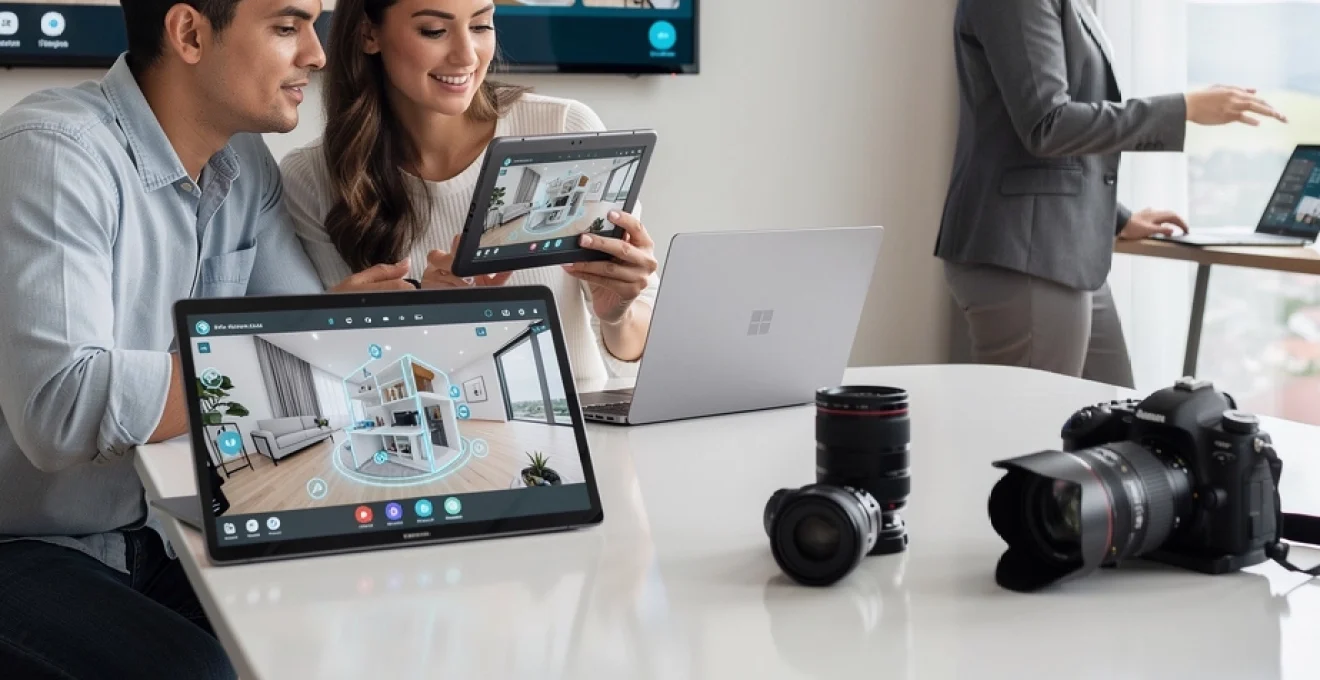
The property market has undergone a dramatic transformation in recent years, with digital innovation reshaping how buyers, sellers, and estate agents interact with properties. Virtual tours have evolved from a luxury marketing tool to an indispensable component of modern property searches, fundamentally altering the way potential buyers experience and evaluate homes before making purchasing decisions.
This technological shift reflects broader changes in consumer behaviour, technological capabilities, and market expectations. Property professionals who embrace virtual tour technology are discovering unprecedented opportunities to reach wider audiences, reduce time-consuming physical viewings, and provide more comprehensive property presentations than traditional photography ever allowed.
The integration of immersive digital experiences has proven particularly valuable in addressing contemporary challenges such as geographical limitations, time constraints, and the need for more efficient property marketing strategies. As the technology continues to advance, virtual tours are becoming increasingly sophisticated, offering interactive features that rival and sometimes exceed the information gathering potential of physical property visits.
360-degree photography technology transforming property marketing strategies
The foundation of modern virtual property tours rests on advanced 360-degree photography technology that captures comprehensive visual data from every angle within a space. This technology has revolutionised how properties are presented online, moving beyond static images to create immersive experiences that allow potential buyers to navigate through properties as if they were physically present.
Professional 360-degree cameras equipped with multiple lenses simultaneously capture overlapping images that software then stitches together to create seamless panoramic views. The resulting virtual environments provide a level of detail and spatial understanding that traditional photography cannot match, enabling viewers to examine room layouts, ceiling heights, natural light patterns, and architectural features with remarkable precision.
Matterport 3D scanning systems in residential property documentation
Matterport technology represents the pinnacle of residential property documentation, utilising advanced LiDAR scanning combined with high-resolution photography to create what the company terms “digital twins” of physical spaces. These systems capture not just visual data but also precise spatial measurements, creating three-dimensional models that accurately represent room dimensions and layout configurations.
The scanning process involves strategically positioning specialised cameras throughout a property, with each scan taking approximately 30 seconds to capture complete 360-degree imagery and depth data. For an average 2,000 square foot residential property, the entire scanning process typically requires 50-75 scan positions, completing the data collection within 25-40 minutes with minimal disruption to occupants.
HDR photography techniques for virtual tour image quality enhancement
High Dynamic Range (HDR) photography techniques have become essential for creating visually compelling virtual tours that accurately represent properties under varying lighting conditions. HDR technology captures multiple exposures of each scene simultaneously, combining them to produce images that showcase both bright exterior views through windows and detailed interior features without the harsh shadows or blown-out highlights common in standard photography.
Professional virtual tour creators employ advanced HDR processing workflows that balance colour accuracy, contrast, and exposure levels to ensure that every room appears inviting and true-to-life. This attention to image quality significantly impacts viewer engagement, with studies indicating that high-quality HDR virtual tours generate up to 40% more enquiries compared to standard photographic listings.
Dollhouse view technology and floor plan integration methods
Dollhouse view technology provides a unique perspective that combines the immersive experience of virtual tours with the practical utility of traditional floor plans. This bird’s-eye view presentation allows viewers to understand the overall property layout, room relationships, and traffic flow patterns in ways that individual room tours cannot convey.
The integration of interactive floor plans with virtual tour navigation enables users to jump directly to specific rooms or areas of interest while maintaining spatial context within the broader property layout. This functionality proves particularly valuable for larger properties or complex layouts where understanding the relationship between spaces is crucial for buyer decision-making.
Mobile-responsive virtual tour platforms and Cross-Device compatibility
Modern virtual tour platforms prioritise mobile-responsive design and cross-device compatibility, recognising that property searches increasingly occur on smartphones and tablets. Responsive virtual tour technologies automatically adjust image resolution, interface elements, and navigation controls to provide optimal viewing experiences across different screen sizes and device capabilities.
Cross-device compatibility extends beyond responsive design to
ensure that virtual property tours function smoothly whether accessed via desktop browsers, mobile apps, or embedded links on major property portals. Platforms that support WebGL and HTML5-based viewers typically provide the most consistent performance, enabling fluid movement through spaces without lag or distortion. For estate agents, this cross-device reliability means that every prospect, regardless of the device they use, can enjoy the same high-quality, immersive viewing experience.
Consumer behavioural shifts driving digital property exploration demand
The rise of virtual tours is rooted not only in technology, but in a profound shift in how consumers research and select properties. Buyers today expect to be able to evaluate a home in depth before committing time to a physical visit, using digital tools as their primary source of information. Always-on connectivity, social media, and on-demand services have conditioned buyers to expect instant, detailed access to listings, and virtual property tours are the natural response to this demand.
Search behaviour data from leading property portals shows that listings with interactive media consistently generate longer on-page engagement times and higher click-through rates to enquiry forms. In other words, when you give people more to explore, they stay longer and engage more. Virtual tours fit perfectly into this new decision journey, acting as a rich, mid-funnel research tool between basic listing views and in-person visits.
Millennial and gen Z homebuyer research patterns and online preferences
Millennials and Gen Z now account for a growing share of first-time buyers, and their property search habits are distinctly digital-first. This audience is comfortable making high-value decisions using online research, relying on reviews, social proof, and immersive content rather than printed brochures or window displays. For them, a listing without a virtual tour can feel incomplete, much like an online shop without product videos or customer photos.
These younger buyers often begin their property search on mobile devices, scrolling through listings on social platforms, property portals, and agent websites late in the evening or during commutes. Virtual tours that load quickly, are mobile-responsive, and offer intuitive navigation align perfectly with these habits. When you combine 3D virtual tours with detailed descriptions, floor plans, and neighbourhood insights, you create a digital experience that mirrors – and often exceeds – an initial in-person viewing.
Post-pandemic remote viewing requirements in international property markets
The COVID-19 pandemic accelerated the adoption of remote viewing technologies, particularly in international property markets where travel was heavily restricted. Even as travel has normalised, many of the remote-viewing expectations that emerged during this period have remained. Overseas buyers, relocating professionals, and investors now see virtual tours not as a temporary workaround, but as a standard part of due diligence.
In cross-border transactions, virtual property tours allow buyers to compare multiple homes, assess layouts, and even consult with architects or contractors remotely before visiting in person. Some agents combine live video calls with shared-screen navigation through a 3D tour, effectively conducting a guided viewing from thousands of miles away. This approach not only widens the potential buyer pool but also reduces the cost and complexity associated with long-distance property searches.
Time-efficiency metrics in virtual Pre-Screening versus physical viewings
One of the most tangible benefits of virtual tours is their impact on the time it takes to shortlist and select properties. Traditional viewing schedules often involve multiple trips, traffic delays, and diary coordination between agents, vendors, and buyers. By contrast, virtual pre-screening allows buyers to eliminate unsuitable properties quickly, focusing physical visits on only the most promising options.
Industry studies suggest that listings with high-quality virtual tours can reduce the number of in-person viewings by 30–50% while maintaining or even increasing serious enquiries. For agents, this means fewer unproductive appointments and more time dedicated to qualified prospects. For buyers, it transforms the search process from a time-consuming marathon of viewings into a more efficient, targeted selection process driven by immersive online exploration.
Geographic accessibility challenges in rural and High-Value property segments
In rural areas, luxury markets, and second-home destinations, geographic accessibility can be a major barrier to traditional property searches. Properties may be spread over wide areas, with long travel times between appointments, making it difficult for buyers to see more than a handful of homes in a single day. Virtual tours effectively remove this constraint by allowing remote exploration of rural cottages, countryside estates, or coastal villas from anywhere.
For high-value properties, where decision-makers may be travelling frequently or based overseas, virtual tours provide a practical way to keep the search moving forward. Detailed 3D tours, combined with drone footage and high-resolution photography, give affluent buyers the confidence to shortlist or even make offers subject to final inspection. As a result, remote viewing becomes a strategic asset in markets where every viewing carries significant logistical and financial cost.
Interactive virtual tour features enhancing property presentation standards
Modern virtual tours now go far beyond simple 360-degree images, incorporating interactive features that elevate property presentation to new standards. Hotspots can be used to highlight key features such as underfloor heating, integrated appliances, or smart home systems, while embedded text, icons, and multimedia content provide contextual information as viewers move through the space. This transforms a passive viewing into an engaging, guided experience.
Some platforms support virtual staging, allowing you to show both a furnished and unfurnished version of the same room with a single click. Others offer measurement tools so buyers can check whether their existing furniture will fit, or annotate areas needing renovation. These interactive elements not only help prospects visualise how they might live in the property, but also create a sense of transparency and trust – buyers feel they are truly seeing everything, not just the most flattering angles.
Estate agency digital transformation and virtual tour implementation ROI
For many estate agencies, adopting virtual tours is part of a wider digital transformation strategy aimed at modernising processes and improving client experience. Moving from print-heavy, manual workflows to data-driven, digital marketing pipelines can seem daunting, but virtual tours often deliver measurable returns quickly. They help agents win more instructions, generate more qualified leads, and differentiate their brand in crowded local markets.
Return on investment (ROI) can be evaluated across several dimensions: reduced time on market, increased enquiry volume, higher instruction win rates, and operational efficiency. Agencies that consistently offer high-quality virtual tours often report that vendors perceive their service as more premium and more proactive, even if the fee structure remains the same. This perceived added value can be the deciding factor when a seller is choosing between competing agents.
From an operational perspective, virtual tours streamline the sales funnel by filtering out unsuitable buyers earlier in the process. Fewer wasted viewings mean lower staff travel time, reduced disruption for vendors, and better allocation of resources towards marketing, negotiation, and client care. When you factor in that the cost of a professional virtual tour can start from just a few hundred pounds per listing, the business case becomes compelling, particularly for agencies handling higher-value properties or large rental portfolios.
Technical infrastructure requirements for professional virtual property tours
Delivering professional-grade virtual property tours requires a robust technical infrastructure that covers capture, processing, hosting, and distribution. While entry-level solutions exist, agencies looking to build a long-term competitive advantage should understand the key components and invest strategically. Think of this infrastructure as your digital studio: the better the tools and workflows, the more consistent and impressive your output.
At a minimum, you will need reliable camera hardware, a tripod or monopod system, compatible software for stitching and processing images, and a hosting platform that integrates smoothly with your website and major portals. High-speed internet connectivity at the office is essential for uploading large media files, and a clear file management strategy helps your team repurpose content across sales particulars, social media, and email campaigns without duplication.
Camera equipment specifications for real estate virtual tour creation
The choice of camera equipment has a direct impact on the quality and realism of your virtual tours. Professional setups often combine 360-degree cameras with depth-sensing capabilities – such as those used by Matterport or other LiDAR-based systems – to capture both imagery and precise spatial data. These devices typically feature multiple lenses, high-resolution sensors (often 4K or higher), and support for HDR capture to handle challenging lighting conditions commonly found in homes.
For agencies starting out, more affordable 360 cameras can still produce impressive results when paired with good lighting and careful planning of camera positions. Stability is crucial, so a sturdy tripod with an adjustable height is recommended to maintain consistent viewpoints throughout the property. As you scale up, investing in higher-spec cameras and accessories pays off in sharper images, smoother navigation, and a more immersive experience that stands out on crowded property portals.
Cloud storage solutions and bandwidth considerations for tour hosting
Virtual tours generate large files, so secure and scalable cloud storage is essential. Most leading virtual tour platforms provide cloud-based hosting, handling storage, processing, and content delivery through global content delivery networks (CDNs) to ensure fast load times for users regardless of location. This is particularly important when buyers access tours on mobile data connections, where slow loading or buffering can quickly lead to drop-offs.
From the agency side, sufficient office bandwidth is needed to upload raw image data and completed tours without interrupting day-to-day operations. As a rule of thumb, fibre connections with generous upload speeds provide the best experience for teams producing tours regularly. It is also wise to establish data retention policies and naming conventions so older tours can be archived or repurposed efficiently, keeping active storage costs under control while maintaining a rich library of marketing assets.
SEO optimisation strategies for virtual tour content and property listings
Virtual tours can significantly improve your property search engine visibility when optimised correctly. Search engines increasingly reward rich, engaging content and strong user signals such as time on page and low bounce rates – metrics that virtual tours naturally enhance. By embedding tours directly within property detail pages and surrounding them with well-structured, keyword-optimised copy, you send clear relevance signals for local property search queries.
Practical SEO strategies include using descriptive filenames and alt text for tour embeds, incorporating long-tail keywords such as “3D virtual tour of 2-bedroom flat in [location]” in headings and body content, and ensuring that each listing has unique, location-specific information. Structured data markup (schema.org) can also be used to highlight key property attributes, helping search engines better understand and index your pages. Over time, this combination of technical optimisation and high-quality interactive content can improve organic rankings, drive more qualified traffic, and increase the number of direct enquiries your agency receives.
Market data analysis demonstrating virtual tour impact on property sales velocity
While the qualitative benefits of virtual tours are clear, market data provides a more objective view of their impact on property sales velocity. Various studies across the UK, US, and European markets have found that listings with virtual tours tend to attract more online views, generate higher enquiry rates, and in many cases spend fewer days on the market than comparable listings without immersive media. Some reports indicate up to 40% more listing views and a notable uplift in lead volume when tours are included.
However, recent academic research also suggests that the relationship between virtual tours and final sale outcomes can be nuanced. When controlling for factors such as high-quality photography and detailed descriptions, the direct impact of tours on sale price can appear modest or statistically insignificant in certain markets. In some cases, properties with virtual tours even remain on the market slightly longer, partly because they may be priced more ambitiously at launch or marketed more extensively to a wider audience.
Taken together, these findings highlight a crucial point: the value of virtual tours is not limited to chasing a percentage uplift in sale price. Instead, their real strength lies in improving the efficiency and quality of the property search process for both buyers and agents. Virtual tours help screen out unsuitable buyers earlier, reduce unnecessary viewings, and build trust by offering transparent, detailed representations of homes. For vendors, this means fewer disruptions and a higher likelihood that each viewing is from a serious prospect; for agents, it means a leaner, more focused pipeline and a stronger digital brand.
As virtual tour technology continues to mature and become more affordable, its role in the property market is set to grow further. Agencies that invest now in high-quality capture, robust technical infrastructure, and thoughtful integration into their marketing and SEO strategies are likely to see compound benefits: faster decision-making, better-qualified leads, and a clear competitive edge in an increasingly digital-first property landscape.