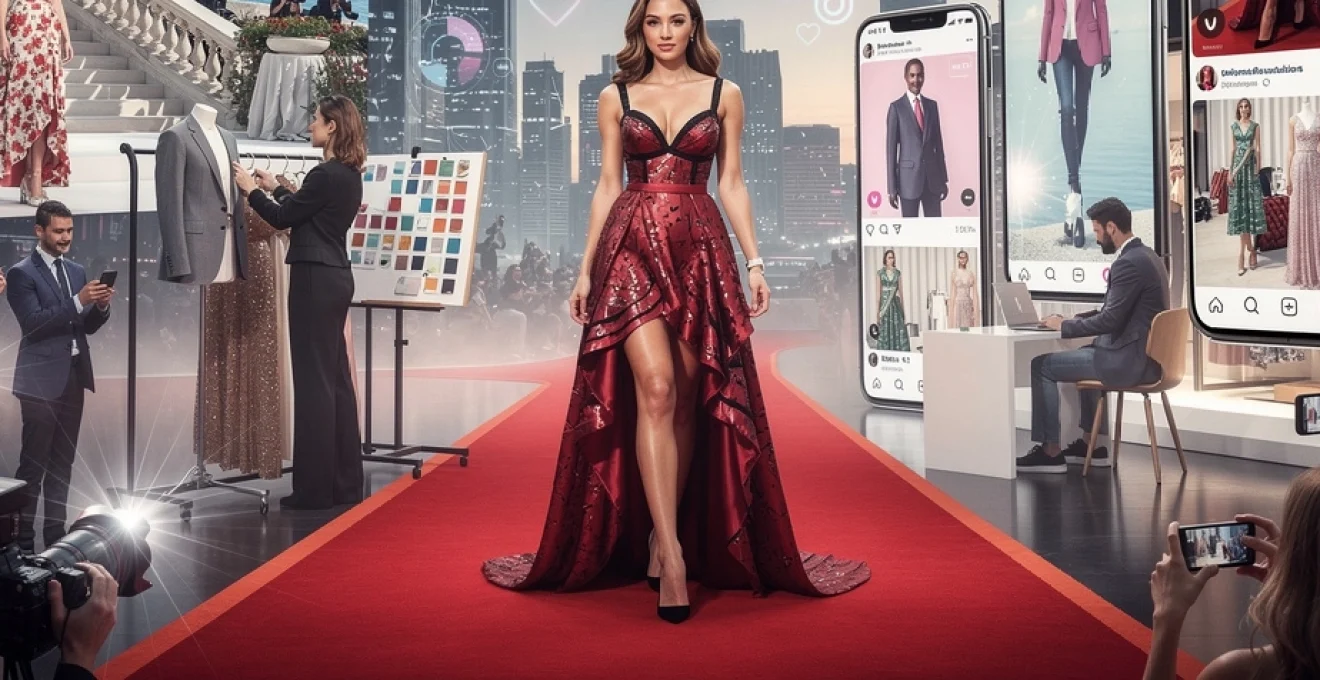
The intersection of celebrity culture and fashion has evolved into one of the most powerful forces shaping contemporary society. From red carpet moments that break the internet to casual street style photographs that spark global trends, the relationship between famous figures and fashion extends far beyond mere clothing choices. This phenomenon represents a complex ecosystem where media, commerce, psychology, and cultural identity converge to influence how millions of people express themselves through their wardrobes.
The influence of celebrity fashion on popular culture operates through sophisticated mechanisms that have been amplified exponentially by digital media platforms. What once required weeks or months to trickle down from high fashion runways to mainstream retail now happens within hours of a celebrity appearance. Social media has fundamentally transformed how fashion trends spread, creating an instant feedback loop between celebrity choices and consumer behaviour that drives billions in economic activity across the global fashion industry.
Celebrity fashion influence mechanisms in digital media ecosystems
The modern celebrity fashion influence machine operates through multiple interconnected channels that create a sophisticated network of trend dissemination. Unlike traditional fashion cycles that originated from designer showcases, today’s fashion trends often emerge from celebrity appearances that are immediately documented, shared, and analysed across digital platforms. This shift has fundamentally altered the power dynamics within the fashion industry, placing celebrities at the centre of trendsetting rather than fashion houses alone.
Red carpet events as cultural trendsetters: met gala and cannes film festival impact
Red carpet events function as global fashion laboratories where experimental designs meet mainstream visibility. The Met Gala, often dubbed “fashion’s biggest night,” generates approximately $40 million in media value annually through celebrity fashion coverage. Each outfit worn at these prestigious events undergoes intense scrutiny, with fashion critics and social media users dissecting every design element from fabric choices to styling decisions.
The Cannes Film Festival represents another pivotal moment in the celebrity fashion calendar, where international stars showcase haute couture designs that influence regional fashion preferences across Europe and beyond. These events create cultural moments that transcend entertainment, becoming part of broader conversations about art, identity, and social values. The ripple effects of a single memorable red carpet look can influence fashion trends for entire seasons, demonstrating the profound impact these carefully orchestrated appearances have on popular culture.
Social media amplification through instagram and TikTok fashion content
Instagram has revolutionised celebrity fashion influence by providing direct access to celebrity styling choices without traditional media gatekeepers. Fashion posts from A-list celebrities regularly generate millions of engagements, with followers screenshotting outfits and seeking similar pieces from accessible retailers. The platform’s visual nature makes it particularly effective for fashion content, allowing celebrities to showcase complete looks, styling details, and behind-the-scenes preparation processes.
TikTok has introduced a new dimension to celebrity fashion influence through short-form video content that emphasises movement, transformation, and accessibility. The platform’s algorithm can propel a single celebrity outfit video to millions of views within hours, creating instant fashion moments that drive consumer demand. This immediate virality has compressed traditional fashion cycles, forcing brands to respond more quickly to emerging trends driven by celebrity content.
Paparazzi photography distribution networks and viral fashion moments
The paparazzi photography industry has evolved into a sophisticated content distribution network that captures and disseminates celebrity fashion choices across global media outlets. These candid photographs often have greater influence than staged fashion shoots because they present celebrities in relatable, everyday situations while wearing accessible clothing brands. The “off-duty” celebrity style has become a significant influence category, inspiring casual fashion choices for millions of consumers worldwide.
Viral fashion moments often emerge from unexpected paparazzi captures that highlight particular styling choices or brand combinations. These images are rapidly distributed across fashion blogs, social media platforms, and mainstream media outlets, creating widespread visibility for specific looks or brands. The organic nature of these captures adds authenticity to celebrity fashion influence, making the styling choices appear more genuine and attainable to average consumers.
Celebrity stylist collaborations with rachel zoe and law roach methodologies
Professional celebrity stylists have emerged as powerful figures in the fashion influence ecosystem, developing signature aesthetic approaches that define celebrity fashion identities. These stylists work strategically to create memorable fashion moments that align with their clients’ public personas while showcasing emerging designers and established luxury brands. Their
methodologies blend storytelling, brand strategy, and data-driven insight. Rachel Zoe popularised the “red carpet as runway” approach in the 2000s, curating glamorously vintage-inspired looks that turned her clients into global fashion references. Law Roach, known for styling Zendaya and Celine Dion, leans into archival pieces, bold silhouettes, and narrative-driven dressing that often references specific cultural eras or film characters.
These celebrity stylist collaborations function as behind-the-scenes engines that power viral fashion moments. Stylists track search data, runway shows, and social conversation to anticipate which silhouettes, colours, and accessories will resonate with audiences. In many cases, they deliberately seed trends—like corseted gowns, tennis-core, or “old money” dressing—months before the public recognises them, using each celebrity appearance as a test case that can either validate or redirect broader fashion cycles.
Fashion industry brand partnerships and celebrity endorsement strategies
Behind every eye-catching celebrity outfit, there is usually a carefully negotiated relationship between brands, publicists, and talent agencies. Celebrity fashion news is not just entertainment; it is a sophisticated marketing channel where clothing becomes both content and advertisement. Understanding how these partnerships work helps explain why certain names, logos, and silhouettes seem to dominate your feed at specific moments in time.
Luxury maison collaborations: dior, chanel, and louis vuitton ambassador programmes
Luxury maisons like Dior, Chanel, and Louis Vuitton rely heavily on ambassador programmes to maintain cultural relevance. These long-term partnerships see celebrities formally aligned with a brand, appearing in campaigns, runway shows, and high-profile red carpet events wearing exclusive pieces. When a star like Jennie Kim signs with Chanel or Timothée Chalamet with Louis Vuitton, the association reinforces the maison’s identity while tapping into the celebrity’s global fanbase.
These collaborations are carefully curated to feel like authentic extensions of the celebrity’s personal style. Ambassadors are often chosen because they already wear the brand, speak to key markets such as Gen Z in Asia, or embody themes like gender fluidity or quiet luxury. The result is a feedback loop where celebrity fashion influence boosts the maison’s desirability, while the maison’s prestige amplifies the celebrity’s status as a style icon, shaping popular culture at the highest end of the market.
Fast fashion retail integration through zara and H&M celebrity collections
While luxury brands set the aspirational tone, fast fashion retailers like Zara and H&M translate celebrity style into mass-market products at record speed. Capsule collections inspired by or directly co-designed with stars serve as a bridge between red carpet looks and everyday wardrobes. H&M’s designer and celebrity collaborations famously generate queues outside stores and rapid sell-outs online, showing how powerful the desire to emulate celebrity outfits can be when prices are accessible.
Zara works differently, often using rapid design cycles to create “inspired by” pieces that echo silhouettes, colours, and textures seen on celebrity style blogs within weeks. For many consumers, these collections are the most tangible way to participate in celebrity-driven fashion trends without the luxury price tag. The result is a trickle-down system where a Met Gala gown or a Cannes photocall outfit can influence what appears on high street racks within a single season.
Influencer marketing ROI metrics in fashion brand campaigns
As influencer culture has grown, fashion brands have become more rigorous about measuring the return on investment (ROI) of celebrity and influencer partnerships. Metrics such as earned media value (EMV), engagement rates, click-through rates, and conversion data now guide decisions about who to dress and when. For example, Taylor Swift and Travis Kelce’s engagement reportedly generated $6.8 million in EMV for Ralph Lauren within 48 hours, illustrating how a single moment can outperform an entire paid campaign.
Brands increasingly distinguish between reach and trust. Mega-celebrities deliver huge visibility and cultural buzz, but micro-influencers with 10,000 to 100,000 followers often deliver higher conversion rates because audiences see them as peers. Fashion marketers now build tiered strategies: celebrities create halo effects and brand prestige, mid-tier influencers drive discovery, and micro-influencers convert interest into sales. When you see the same handbag on both a red carpet and a niche styling reel, you are witnessing this layered strategy in action.
Product placement analytics in celebrity lifestyle content
Fashion product placement has expanded far beyond traditional film and television cameos into everyday celebrity lifestyle content. Outfit breakdowns, “get ready with me” videos, airport looks, and even gym paparazzi shots serve as soft advertising for shoes, bags, and athleisure brands. Behind the scenes, marketers use tracking links, promo codes, and social listening tools to analyse which placements trigger search spikes and basket additions.
Advanced analytics platforms map the journey from a celebrity sighting to a purchase, using data from Google Trends, social media mentions, and retailer dashboards. This allows brands to identify their most effective placement environments—whether that’s a Netflix cameo, an awards show after-party, or a TikTok styling tutorial. Over time, this data-driven approach refines which celebrities, contexts, and content formats truly move the needle on consumer behaviour.
Media coverage algorithms and fashion news distribution patterns
In the digital era, algorithms have become invisible editors that determine which celebrity fashion stories you see first. Search engines, news aggregators, and social platforms prioritise content based on click-through rates, dwell time, and engagement signals, rewarding dramatic red carpet looks or controversial outfits with greater visibility. This creates a self-reinforcing pattern where the most eye-catching or divisive fashion moments dominate the conversation.
Fashion publishers now optimise headlines, image selection, and publishing times specifically for algorithmic performance. Articles comparing “who wore it best,” ranking Met Gala outfits, or spotlighting unexpected celebrity style transformations tend to perform well, so they are produced more often. Over time, these distribution patterns shape cultural taste by repeatedly presenting certain aesthetics, body types, and luxury labels as the default standard of style. As readers, we often forget that what we see is not an objective picture of fashion, but a curated feed shaped by code.
Cultural appropriation discourse and celebrity fashion controversies
As celebrity fashion influence has grown, so has the scrutiny around cultural appropriation and representation. Outfits that borrow sacred symbols, traditional garments, or hairstyles from marginalised communities without context or credit now spark swift backlash online. Think of festival headdresses, stereotypical “tribal” prints, or celebrities wearing cornrows and calling them a new trend—these fashion choices are no longer dismissed as harmless experimentation.
Public debate around these controversies has made audiences more critical of how pop culture shapes fashion norms. When celebrities misstep, they can trigger broader conversations about colonial histories, power imbalances, and the commodification of culture. At the same time, many stars use fashion to spotlight designers from underrepresented backgrounds or to celebrate their own heritage on global stages. This tension highlights how celebrity fashion news can either reinforce harmful stereotypes or push the industry toward greater sensitivity and inclusivity, depending on how thoughtfully it is approached.
Economic impact measurement of celebrity-driven fashion trends
Beyond aesthetics and identity, celebrity fashion has measurable economic consequences that ripple through stock markets, retail sectors, and local economies. A single high-profile outfit can boost brand awareness, spike sales of specific products, and even influence investor confidence. To understand why celebrities and fashion news wield so much power in popular culture, we have to follow the money as well as the media buzz.
Stock market fluctuations following celebrity brand endorsements
Financial markets increasingly respond to celebrity endorsements and viral fashion moments. When Beyoncé released her country-inspired album and appeared in double denim and cowboy hats, Levi Strauss reportedly saw a double-digit percentage increase in store visits and a notable jump in stock price within days. Investors interpreted the surge in cultural relevance as a positive signal for future revenue, demonstrating how quickly fashion news can translate into financial optimism.
Similar patterns emerge when celebrities launch or co-sign fashion brands. Announcements of new ambassador deals with global stars often coincide with short-term stock price increases for luxury conglomerates, reflecting expectations of higher sales and stronger brand equity. While these spikes can be temporary, they reveal how closely financial analysts now watch pop culture for clues about consumer sentiment and brand momentum.
Consumer purchasing behaviour analytics through google trends data
Tools like Google Trends provide a real-time window into how celebrity fashion shapes what people want to buy. After Zendaya’s tennis-inspired press tour for Challengers, searches for “tennis core outfits,” “pleated tennis skirts,” and “tennis fashion” reportedly surged, signalling demand for sports-luxe pieces. Similarly, when a celebrity steps out in a distinctive colour—say, lime green or hot pink—search data often reveals an almost immediate uptick in related queries.
Brands and retailers now monitor these search patterns to inform inventory decisions, ad targeting, and product development. If you have ever wondered why your favourite e-commerce site suddenly features a full “cowboy core” or “Barbie pink” edit, it is often because marketers are responding to quantifiable shifts in consumer interest sparked by celebrity style moments. In essence, search data turns fleeting fashion news into actionable commercial insight.
Retail sales correlation studies: meghan markle effect and kate middleton phenomenon
Few examples illustrate the power of celebrity fashion on retail sales better than the so-called “Meghan effect” and “Kate Middleton phenomenon.” When Meghan Markle or Catherine, Princess of Wales, wears a dress, coat, or pair of shoes from a relatively accessible brand, that item often sells out within hours. Retailers have reported sales jumps of several hundred percent for featured pieces, along with long waiting lists for restocks.
Studies of these phenomena show that the impact extends beyond single products. Entire categories—such as tailored coats, nude pumps, or minimalist jewellery—benefit from elevated demand after high-visibility outings. The effect is especially strong when the items are from mid-range labels, as consumers feel the look is within financial reach. These cases demonstrate how closely everyday shoppers track celebrity fashion news and how willing they are to align their purchasing decisions with the style cues of admired public figures.
Psychological mechanisms behind celebrity fashion emulation
Why do so many of us care what celebrities wear, even if we know the looks are styled, sponsored, or out of our price range? The answer lies in a mix of psychology, identity, and social dynamics. Parasocial relationships—one-sided emotional connections with public figures—make us feel as though we “know” celebrities, so their fashion choices can feel like personal recommendations rather than distant advertisements.
At the same time, celebrity fashion functions as a form of social signalling. When we mirror a star’s style, we are not just copying an outfit; we are aligning ourselves with the values, lifestyle, or status that person represents. It is similar to wearing a team jersey: the garment becomes shorthand for belonging. This is why even a handbag or pair of sunglasses inspired by a celebrity look can feel meaningful—you are, in a small way, participating in their narrative.
There is also a strong aspirational component. Celebrities act as “style prototypes,” showing us what might be possible with different silhouettes, colours, and aesthetics. As one expert noted, many consumers are not trying to buy a $3,000 designer bag; they are decoding the proportions, textures, and colour schemes and then recreating the energy at a more affordable retailer. In this sense, celebrity fashion offers a kind of visual education, teaching us how to put outfits together and giving us the confidence to experiment with our own wardrobes.
Of course, this influence is double-edged. While it can inspire creativity and self-expression, it can also fuel comparison, pressure to keep up with trends, and overconsumption. The key for conscious consumers is to treat celebrity fashion as a source of ideas rather than a strict rulebook. When we filter celebrity style through our own values, budgets, and body realities, we reclaim the narrative—using the spectacle of pop culture not to erase our individuality, but to refine and express it more clearly.