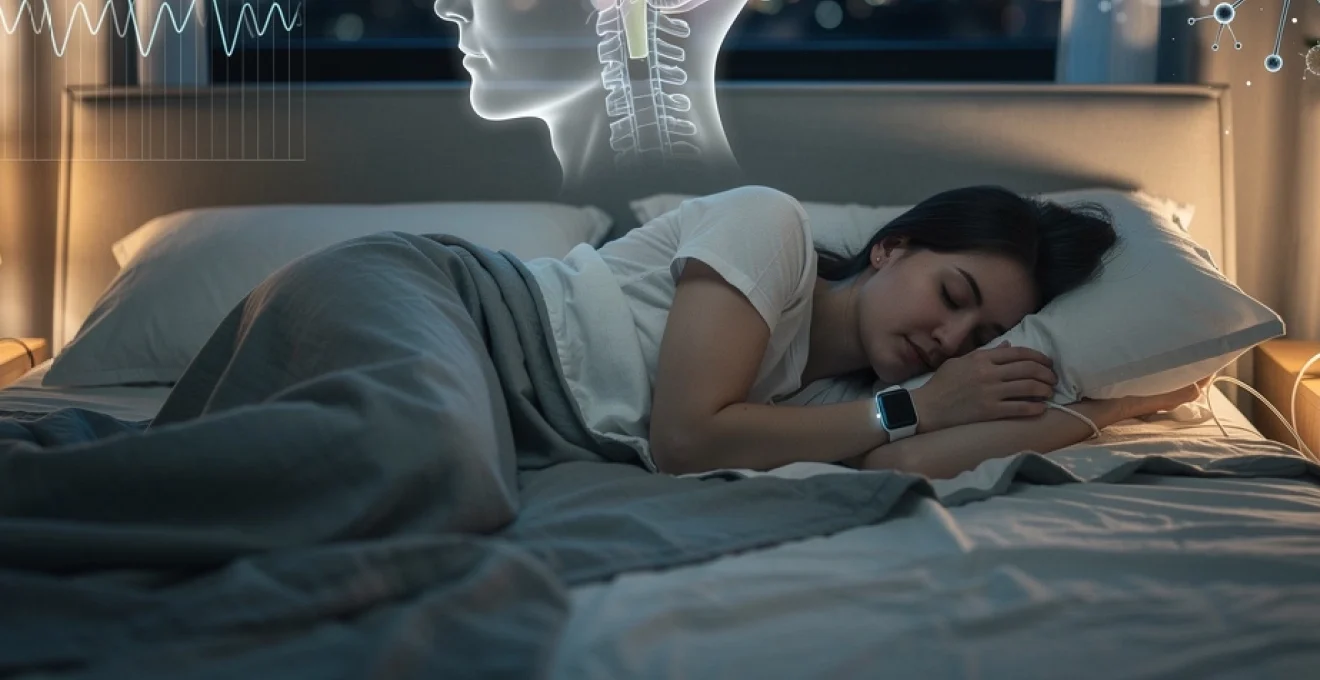
Quality sleep represents one of the most fundamental pillars of human health, alongside proper nutrition and regular physical activity. Modern research continues to unveil the intricate mechanisms through which sleep influences virtually every aspect of our physiological and psychological functioning. From cardiovascular health to cognitive performance, immune system regulation to emotional stability, the profound impact of sleep quality extends far beyond simple rest and recovery. Understanding these complex relationships becomes increasingly crucial as sleep disorders affect approximately one-third of the global population, with consequences that ripple through healthcare systems, workplace productivity, and overall quality of life.
Sleep architecture and circadian rhythm regulation mechanisms
The human sleep cycle operates through a sophisticated interplay of neurochemical processes and circadian rhythms that have evolved over millennia. This intricate system governs not only when you sleep but also how deeply and effectively your body recovers during rest periods. Understanding these mechanisms provides crucial insights into optimising sleep quality and addressing sleep-related disorders that affect millions worldwide.
Non-rem sleep stages and delta wave patterns
Non-rapid eye movement (Non-REM) sleep comprises approximately 75-80% of total sleep time and consists of three distinct stages, each characterised by specific brainwave patterns and physiological changes. Stage 1 represents the lightest sleep phase, typically lasting 5-10 minutes, during which alpha waves gradually give way to theta waves. This transitional period often experiences hypnagogic hallucinations and muscle jerks as the brain shifts from wakefulness to sleep.
Stage 2 Non-REM sleep accounts for roughly 45-55% of total sleep time and features the emergence of sleep spindles and K-complexes on electroencephalography recordings. These distinctive patterns indicate the brain’s active effort to maintain sleep whilst processing external stimuli. During this stage, body temperature begins to decrease, heart rate slows, and muscles relax further, preparing the body for the deeper restorative phases ahead.
Stage 3, often referred to as deep sleep or slow-wave sleep, represents the most physically restorative phase of the sleep cycle. Delta waves, characterised by frequencies below 4 Hz, dominate brain activity during this crucial period. Growth hormone secretion peaks during deep sleep, facilitating tissue repair, muscle growth, and immune system strengthening. Research indicates that individuals who consistently achieve adequate deep sleep demonstrate superior physical recovery, enhanced immune function, and improved cognitive performance the following day.
REM sleep cycles and neurotransmitter fluctuations
Rapid Eye Movement (REM) sleep represents perhaps the most fascinating phase of the sleep cycle, characterised by vivid dreams, temporary muscle paralysis, and intense brain activity resembling wakefulness patterns. REM sleep typically occurs in cycles throughout the night, with episodes becoming longer and more frequent during the latter half of sleep. The first REM period usually begins approximately 90 minutes after sleep onset and lasts about 10 minutes, whilst later REM periods can extend up to 30-60 minutes.
During REM sleep, neurotransmitter activity undergoes dramatic shifts that facilitate memory consolidation and emotional processing. Acetylcholine levels surge whilst norepinephrine, serotonin, and histamine decrease significantly. This unique neurochemical environment enables the brain to form new neural connections, integrate learning experiences, and process emotional memories. Studies demonstrate that REM sleep deprivation can severely impair creative problem-solving abilities and emotional regulation.
Melatonin production and suprachiasmatic nucleus function
The suprachiasmatic nucleus (SCN), located in the hypothalamus, serves as the body’s master circadian clock, orchestrating sleep-wake cycles through precise melatonin regulation. This remarkable biological timekeeper responds to light and darkness cues, maintaining approximately 24-hour rhythms even in the absence of external time signals. The SCN receives direct input from specialised retinal cells that detect light intensity, enabling rapid adjustments to environmental changes.
Melatonin production begins rising approximately 2-3 hours before typical bedtime, reaching peak levels during the middle of the night before gradually declining towards morning. This circadian melatonin rhythm plays a crucial role
in signalling that it is time to sleep and in stabilising your internal body clock. Exposure to bright light in the evening, especially blue-enriched light from screens, can suppress melatonin secretion and delay sleep onset, while morning daylight helps to “reset” the clock and anchor your circadian rhythm. Disruptions to this finely tuned system – such as jet lag, night-shift work, or irregular bedtimes – can lead to circadian misalignment, which is associated with poorer sleep quality, metabolic disturbances, and increased risk of mood disorders.
Supporting healthy melatonin production and circadian timing involves both behaviour and environment. Maintaining a consistent sleep schedule, maximising natural light exposure early in the day, and dimming lights in the evening all reinforce the signals your suprachiasmatic nucleus relies on. For many people, simple changes such as avoiding bright screens in the hour before bed and keeping the bedroom dark can make a noticeable difference in how easily they fall asleep and how refreshed they feel upon waking.
Adenosine accumulation and sleep drive homeostasis
In parallel with circadian regulation, your sleep is governed by a powerful homeostatic drive largely influenced by the neuromodulator adenosine. Throughout the day, adenosine accumulates in the brain as a by-product of metabolic activity, acting like a biochemical “pressure gauge” that measures how long you have been awake. The higher adenosine levels rise, the sleepier you feel, creating a strong physiological urge to rest and restore.
Caffeine works precisely by blocking adenosine receptors, temporarily masking sleep pressure without actually reducing it. This is why late-afternoon coffee can make it harder to fall asleep and may fragment sleep architecture, even if you do not feel overstimulated. When you finally sleep, adenosine levels gradually decline, relieving the accumulated pressure and allowing you to wake feeling alert. Irregular sleep schedules, frequent naps, or repeated night-time awakenings can interfere with this homeostatic process, leading to unrefreshing sleep and chronic fatigue.
Optimising this adenosine-driven sleep drive involves consistent wake times, limited daytime napping, and careful timing of caffeine intake. As a practical rule, many sleep specialists recommend avoiding caffeine within six hours of bedtime and keeping naps under 30 minutes and before mid-afternoon. By working with, rather than against, your natural sleep pressure, you support more consolidated sleep and better overall sleep quality.
Polysomnography metrics and sleep quality assessment tools
Measuring sleep quality goes far beyond simply counting how many hours you spend in bed. Modern sleep medicine relies on objective tools such as polysomnography and actigraphy to analyse sleep architecture, breathing, movement, and arousal patterns throughout the night. These sleep quality assessment tools provide a detailed picture of how efficiently you sleep and help clinicians diagnose disorders like insomnia, sleep apnoea, and periodic limb movement disorder.
At the same time, accessible technologies such as wearable devices and smartphone apps have made basic sleep tracking widely available to the general public. While consumer trackers cannot match the precision of laboratory-based polysomnography, they can highlight trends in your sleep duration, timing, and variability over weeks or months. Understanding the key sleep metrics used in both clinical and everyday contexts allows you to interpret your own sleep data more accurately and identify areas for improvement.
Sleep efficiency percentage and total sleep time analysis
Two of the most informative metrics in sleep medicine are total sleep time (TST) and sleep efficiency. Total sleep time simply reflects the number of minutes you are actually asleep during the night, excluding periods of wakefulness. Sleep efficiency expresses this as a percentage of your total time spent in bed (TST divided by time in bed), providing an at-a-glance indicator of how consolidated or fragmented your sleep is.
In healthy adults, a sleep efficiency of around 85–95% is often associated with good sleep quality, whereas values below 80% may indicate frequent awakenings, difficulty falling asleep, or both. For example, you might spend eight hours in bed but only sleep six; your sleep efficiency would then be 75%, suggesting a potential sleep disturbance despite apparently adequate opportunity for rest. Both polysomnography and many wearable sleep trackers estimate these values, giving you a quantitative basis for evaluating changes in your sleep habits or treatments over time.
When using sleep efficiency and total sleep time to improve sleep quality, context matters. Short periods of reduced efficiency may simply reflect temporary stress or illness, while persistent low efficiency can signal chronic insomnia or an underlying medical issue. Rather than chasing “perfect” numbers, it is more useful to monitor trends, ask how rested you feel during the day, and consider whether adjustments to your bedtime routine, sleep schedule, or environment lead to gradual improvements in both metrics and wellbeing.
Sleep onset latency and REM latency measurements
Sleep onset latency describes how long it takes you to transition from wakefulness to sleep, usually measured from “lights out” to the first epoch of stage 1 sleep. In adults, a typical sleep onset latency ranges from 10 to 20 minutes. Taking significantly longer can point to insomnia or poor sleep hygiene, whereas falling asleep almost immediately may indicate excessive sleepiness or sleep deprivation. Clinically, this metric helps differentiate between difficulty falling asleep and difficulty staying asleep, which can have different underlying causes and treatments.
REM latency refers to the time from sleep onset to the first REM period, normally around 70–120 minutes in healthy adults. Shortened REM latency is often observed in mood disorders such as major depression, while markedly prolonged REM latency can occur in certain sleep disorders or under the influence of specific medications. In polysomnography studies, abnormal REM latency patterns provide important diagnostic clues and help clinicians understand how mental health and sleep architecture interact in a given individual.
For most people tracking sleep at home, these precise latency measures are approximated rather than directly recorded. Still, if you routinely lie awake for an hour before falling asleep or wake feeling unrefreshed despite apparently long nights, it may be worth discussing these latency patterns with a healthcare professional. Interventions such as cognitive behavioural therapy for insomnia (CBT‑I), light exposure adjustments, and consistent pre-sleep routines can all help normalise sleep onset and support healthier REM cycling.
Apnoea-hypopnoea index and respiratory disturbance indicators
Breathing quality during sleep is another critical determinant of overall sleep health. The apnoea-hypopnoea index (AHI) is a key polysomnography metric that quantifies how many times per hour your breathing is significantly reduced (hypopnoea) or completely stops (apnoea) for at least 10 seconds. An AHI below 5 events per hour is generally considered normal, 5–15 indicates mild sleep apnoea, 15–30 moderate, and over 30 severe. Higher AHI scores are strongly linked to fragmented sleep, daytime exhaustion, and increased cardiovascular risk.
Additional respiratory disturbance indicators, such as oxygen desaturation levels, snoring intensity, and the respiratory disturbance index (RDI), provide a more nuanced view of how breathing irregularities disrupt sleep architecture. For instance, repeated drops in blood oxygen saturation can trigger micro-awakenings that you may not remember, yet they prevent you from reaching and maintaining restorative deep sleep. Over time, untreated sleep-disordered breathing contributes to hypertension, arrhythmias, insulin resistance, and even stroke.
If you or a bed partner notice loud snoring, gasping, or pauses in breathing at night, seeking a formal sleep assessment can be life-changing. Treatments such as continuous positive airway pressure (CPAP), mandibular advancement devices, weight management, and positional therapy can dramatically reduce AHI and RDI scores. As respiratory disturbances decline, many individuals report not only better sleep quality but also improvements in blood pressure, energy levels, and cognitive function.
Actigraphy data and wearable sleep tracking technologies
While full polysomnography remains the gold standard for detailed sleep analysis, it is not practical for nightly use. This is where actigraphy and modern wearable sleep tracking technologies come in. Actigraphy involves wearing a small device, often on the wrist, that records movement patterns over days or weeks. Algorithms then infer sleep and wake periods based on activity levels, providing estimates of total sleep time, sleep efficiency, and circadian rhythm regularity.
Consumer-grade wearables – including smartwatches, fitness bands, and smart rings – build on these principles, sometimes combining motion sensing with heart rate and peripheral oxygen saturation data. Although they are less accurate than clinical devices, especially for distinguishing between sleep stages, they offer valuable long-term insights into your typical sleep duration, bedtime consistency, and night-to-night variability. For many users, simply seeing objective data about how late-night screen use or evening caffeine delays sleep onset can be a powerful motivator for change.
However, it is important to interpret wearable sleep data with a balanced perspective. Algorithms can misclassify quiet wakefulness as light sleep or miss brief awakenings, and obsessing over nightly metrics may itself provoke sleep-related anxiety, a phenomenon sometimes called “orthosomnia”. The most effective way to use these tools is as a broad compass rather than a precise map: focus on trends over weeks rather than single nights, and pair the data with your subjective sense of restfulness and daytime functioning.
Cardiovascular health correlations with sleep deprivation
The relationship between sleep quality and cardiovascular health is both robust and bidirectional. Inadequate or fragmented sleep activates the sympathetic nervous system and stress-response pathways, leading to elevated heart rate, increased blood pressure, and higher circulating levels of inflammatory markers and stress hormones such as cortisol. Over time, these changes strain the heart and blood vessels, accelerating atherosclerosis and contributing to the development of hypertension, coronary artery disease, and stroke.
Large-scale epidemiological studies have consistently found that adults who regularly sleep fewer than seven hours per night face higher risks of heart attack and stroke compared with those who obtain sufficient, good-quality sleep. Sleep apnoea, in particular, is strongly associated with resistant hypertension, arrhythmias such as atrial fibrillation, and heart failure. Repeated drops in blood oxygen levels and surges in blood pressure during apnoeic episodes act like nightly “stress tests” for the cardiovascular system, eventually taking a toll if left untreated.
On the other hand, improving sleep quality can be a powerful, often underused strategy for protecting cardiovascular health. Addressing insomnia through CBT‑I, treating sleep-disordered breathing, and establishing regular sleep-wake schedules can help normalise blood pressure patterns, reduce resting heart rate, and dampen chronic inflammation. When you think about heart health, it can be helpful to view restorative sleep as a form of “overnight therapy” for your cardiovascular system, working alongside nutrition, exercise, and stress management to keep your heart and blood vessels in optimal condition.
Cognitive performance and memory consolidation during sleep
Beyond its physical health benefits, high-quality sleep plays a central role in learning, problem-solving, and emotional regulation. During the night, your brain does not simply switch off; instead, it engages in a complex sequence of neural processes that consolidate memories, refine motor skills, and stabilise newly acquired information. This is why a good night’s sleep can make difficult material feel clearer the next day, while sleep deprivation so often leads to mental fog and poor decision-making.
Different stages of sleep contribute to different aspects of cognitive performance. Slow-wave sleep appears particularly important for stabilising factual, declarative memories, such as names, formulas, or concepts you studied during the day. REM sleep, in contrast, supports emotional processing, creativity, and the integration of complex skills. Together, these stages form a kind of overnight “editing and filing” process, where the brain selectively strengthens meaningful connections and prunes away irrelevant details.
Hippocampal replay and long-term potentiation processes
At the core of sleep-dependent memory consolidation lies the hippocampus, a brain region essential for forming new memories. During wakefulness, the hippocampus rapidly encodes experiences but has limited capacity, much like a temporary storage buffer. During non-REM sleep, especially slow-wave sleep, the brain engages in a phenomenon known as hippocampal replay, in which patterns of neural activity observed during learning are spontaneously reactivated.
This replay occurs in compressed time and is thought to drive long-term potentiation (LTP) – a lasting strengthening of synaptic connections between neurons. You can think of LTP as turning a fragile, handwritten note into a durable, printed document stored in the neocortex for long-term access. Without sufficient sleep, this transfer process is incomplete, leaving new information vulnerable to interference and forgetting. Experimental studies show that people who sleep after learning typically perform better on memory tests than those who stay awake for an equivalent period.
From a practical perspective, spacing learning sessions and prioritising sleep afterwards can significantly improve retention, whether you are studying for exams, learning a new language, or mastering professional skills. Rather than viewing late-night cramming as productive, it may be more effective to stop revising earlier, ensure a full night of sleep, and rely on your brain’s natural replay and potentiation processes to strengthen what you have learned.
Slow-wave sleep and declarative memory enhancement
Slow-wave sleep (SWS), the deepest phase of non-REM sleep, is especially important for consolidating declarative memories – facts, events, and information you can consciously recall. During SWS, large groups of neurons in the cortex and hippocampus fire in synchronised slow oscillations, creating an optimal environment for stabilising memory traces. Studies using targeted memory reactivation, in which specific cues associated with learned material are played during SWS, have shown selective enhancement of those memories, underscoring the crucial role of this stage.
Unfortunately, SWS tends to decline with age and can be disrupted by stress, pain, or conditions such as sleep apnoea. When slow-wave sleep is reduced, people often report difficulty concentrating, recalling details, and learning new information. They may also feel physically unrefreshed, as SWS is tied to growth hormone release and bodily repair. Protecting and promoting slow-wave sleep – through consistent bedtimes, a quiet and dark sleep environment, and management of medical conditions – is therefore central to maintaining both cognitive and physical vitality.
If you have ever noticed that reviewing material just before bed helps it “stick”, you have likely benefited from SWS-dependent consolidation. Structuring your day so that mentally demanding tasks occur earlier, followed by a wind-down period and regular bedtime, allows your brain sufficient time in deep sleep to cement what matters most.
REM sleep’s role in procedural learning and skill acquisition
While slow-wave sleep supports declarative memories, REM sleep plays a distinctive role in procedural learning and skill acquisition. Procedural memories include things like playing a musical instrument, typing, driving, or performing complex motor sequences. During REM, the brain exhibits heightened activity in motor and visual areas, along with the unique neurochemical profile of high acetylcholine and low noradrenaline. This environment appears ideal for refining neural circuits underlying newly learned skills.
Research has shown that people who are allowed to sleep, and specifically to experience normal amounts of REM sleep, demonstrate greater improvements on tasks like finger-tapping sequences or visual discrimination tests compared with those whose REM sleep is selectively deprived. REM sleep may also foster creativity and problem-solving by allowing your brain to explore connections between seemingly unrelated pieces of information, a bit like a mental “sandbox” where ideas can recombine in novel ways.
If you are learning a new skill – whether athletic, artistic, or technical – it can be useful to see sleep as an active part of your training programme rather than time lost. Regular, sufficient sleep helps stabilise and refine the neural patterns you practise during the day, leading to smoother performance and fewer errors over time. Skimping on sleep might feel like gaining extra practice hours, but it often undermines the very improvements you are aiming for.
Sleep spindles and thalamo-cortical information processing
Another fascinating feature of non-REM sleep, particularly stage 2, is the presence of sleep spindles – brief bursts of 11–16 Hz brain activity visible on EEG recordings. These spindles are generated by interactions between the thalamus (a central sensory relay station) and the cortex. They are thought to play a role in gating sensory input, helping maintain sleep in the presence of external noise, and supporting the integration of new information into existing cortical networks.
Higher spindle density has been linked to better performance on certain memory and learning tasks, as well as greater resilience to environmental disturbances during sleep. You might think of spindles as the brain’s way of briefly “closing the gate” to outside distractions while it processes and files away the day’s experiences. Conversely, reduced spindle activity is observed in some neuropsychiatric conditions and may be one factor contributing to cognitive difficulties and fragmented sleep in these populations.
Although we cannot consciously control sleep spindle activity, lifestyle and environmental factors that promote stable, uninterrupted sleep tend to support healthier thalamo-cortical processing. Maintaining a quiet, dark bedroom, limiting late-night stimulation, and managing stress all help minimise unnecessary awakenings, giving your brain more opportunity to generate and utilise these important rhythmic bursts.
Immune system modulation through sleep-wake cycles
Sleep and immune function are deeply intertwined, with the sleep-wake cycle acting as a powerful regulator of how the immune system responds to threats. During sleep, particularly slow-wave sleep, the body increases production of certain cytokines – signalling proteins that help coordinate immune responses – while simultaneously reducing levels of stress hormones that can suppress immunity. This shift creates a favourable environment for immune surveillance, tissue repair, and the formation of immunological memory.
Chronic sleep deprivation, by contrast, has been linked to increased susceptibility to infections, slower recovery from illness, and reduced response to vaccines. For example, individuals who routinely sleep fewer than seven hours have been shown to be significantly more likely to develop a cold after viral exposure compared with those who sleep eight hours or more. Poor sleep also contributes to low-grade systemic inflammation, which is implicated in a wide range of chronic conditions, from cardiovascular disease to type 2 diabetes and certain cancers.
In practical terms, prioritising sleep quality is one of the simplest ways to support your immune system, especially during periods of high stress or seasonal illness. Maintaining a regular sleep schedule, allowing time to wind down in the evening, and addressing underlying sleep disorders can all enhance your body’s natural defences. When you feel tempted to “push through” late into the night, it can be helpful to remember that adequate, restorative sleep functions as a powerful, drug-free immune booster.
Evidence-based sleep hygiene interventions and therapeutic approaches
Given the profound impact of sleep quality on physical, cognitive, and emotional health, it is unsurprising that a range of evidence-based interventions has emerged to help people sleep better. These approaches span behavioural therapies, light-based techniques, pharmacological options, and environmental adjustments, each targeting different aspects of the sleep-regulation system. For many individuals, combining several strategies – for instance, improving sleep hygiene while undergoing CBT‑I – produces the most durable improvements.
Importantly, effective sleep interventions do more than simply extend time in bed; they aim to optimise sleep architecture, stabilise circadian rhythms, and reduce arousal that interferes with initiating and maintaining sleep. Whether you struggle with chronic insomnia, irregular schedules, or occasional restless nights, understanding these therapeutic options can help you choose tools that align with your needs and preferences.
Cognitive behavioural therapy for insomnia (CBT-I) protocols
Cognitive behavioural therapy for insomnia (CBT‑I) is widely regarded as the first-line treatment for chronic insomnia in adults. Unlike sleep medication, which primarily targets symptoms in the short term, CBT‑I addresses the underlying thoughts, behaviours, and conditioned responses that perpetuate sleep difficulties. Standard CBT‑I protocols usually include components such as sleep restriction, stimulus control, cognitive restructuring, and relaxation training, delivered over several sessions by a trained clinician or via structured digital programmes.
Sleep restriction, one of the core techniques, initially limits time in bed to match actual sleep time, thereby increasing sleep pressure and consolidating sleep. Stimulus control aims to re-associate the bed and bedroom with sleep by setting clear rules: go to bed only when sleepy, use the bed only for sleep and intimacy, and get out of bed if you are unable to sleep after about 20 minutes. Cognitive restructuring helps you identify and challenge unhelpful beliefs about sleep – such as catastrophic thinking about a single bad night – that increase anxiety and arousal.
Numerous clinical trials have shown that CBT‑I can significantly reduce sleep onset latency, night-time awakenings, and early-morning waking, with benefits that often persist for months or years after treatment ends. For people experiencing both insomnia and mood or anxiety disorders, CBT‑I can also improve overall mental health and daytime functioning. While accessing individual therapy may not always be feasible, guided self-help books and online CBT‑I programmes offer accessible, lower-cost alternatives rooted in the same evidence-based principles.
Light therapy and chronotherapy applications
Because light is the primary “zeitgeber” (time-giver) for the circadian system, light therapy and chronotherapy offer powerful ways to shift and stabilise your internal clock. Light therapy typically involves exposure to a bright light box (around 10,000 lux) for 20–30 minutes shortly after waking, especially useful for people with delayed sleep-wake phase disorder who naturally fall asleep and wake much later than desired. By providing a strong, consistent morning light signal, this approach gradually advances circadian timing, making it easier to fall asleep earlier and wake feeling refreshed.
Chronotherapy more broadly refers to systematically adjusting sleep-wake schedules and light exposure to realign circadian rhythms. This might involve gradually shifting bedtime and wake time earlier or later over several days, carefully timing outdoor daylight exposure, and minimising bright light in the evening. For shift workers, strategic use of light and darkness – bright light during night shifts, dark glasses when leaving work, and blackout curtains for daytime sleep – can reduce circadian misalignment and associated health risks.
For everyday sleepers, you do not need special equipment to apply basic chronobiology principles. Getting outside for morning light, dimming indoor lighting in the last hour before bed, and avoiding bright screens late at night all send clear signals to your suprachiasmatic nucleus about when to promote alertness and when to facilitate sleep. These simple adjustments can significantly improve sleep onset and overall sleep quality, especially when combined with consistent timing from day to day.
Pharmacological sleep aids and GABA receptor modulators
Pharmacological sleep aids, particularly those that modulate the GABA (gamma-aminobutyric acid) system, can provide short-term relief for severe or acute insomnia. Many traditional hypnotic medications enhance the inhibitory effects of GABA in the brain, promoting sedation and reducing time to sleep onset. Newer agents, including certain benzodiazepine receptor agonists and so-called “Z-drugs”, are designed to target specific GABAA receptor subtypes, ideally offering effective sleep promotion with fewer residual side effects.
However, while these medications can be useful in specific, time-limited contexts – such as short-term stress or jet lag – they are generally not recommended as a first-line or long-term solution. Potential drawbacks include tolerance, dependence, rebound insomnia upon discontinuation, and impairments in balance or cognition, particularly in older adults. Some agents can also alter normal sleep architecture, reducing restorative slow-wave or REM sleep even as they increase total sleep time.
Non-GABAergic options, such as melatonin receptor agonists or orexin receptor antagonists, provide alternative pharmacological pathways for addressing certain sleep problems. Regardless of the specific medication, it is crucial to use sleep aids under medical supervision, at the lowest effective dose, and for the shortest duration necessary. For sustainable improvements in sleep quality and overall well-being, combining any pharmacological approach with behavioural strategies like CBT‑I and sleep hygiene optimisation is typically most effective.
Environmental optimisation and sleep sanctuary design
The physical environment in which you sleep plays a powerful, often underestimated role in determining sleep quality. Designing a true “sleep sanctuary” means creating conditions that support your body’s natural sleep-regulation systems: darkness to promote melatonin production, cool temperatures to facilitate the nocturnal drop in core body temperature, and quiet to minimise disruptive arousals. Many adults find that setting their bedroom temperature between 16–19°C (60–67°F) and using blackout curtains or an eye mask can significantly enhance both sleep onset and continuity.
Reducing noise is equally important, particularly in urban environments or shared living spaces. Earplugs, white-noise machines, or fans can help mask intermittent sounds that might otherwise trigger micro-awakenings. The bed itself should provide adequate support and comfort; an unsupportive mattress or unsuitable pillow can contribute to pain, restlessness, and frequent position changes throughout the night. Although it may seem like a small detail, investing in a mattress and bedding that suit your body and sleeping style can yield substantial gains in nightly rest.
Finally, consider the psychological atmosphere of your bedroom. Clutter, work materials, and electronics can subtly cue your brain to remain alert and engaged rather than relaxed. Wherever possible, reserve the bedroom for sleep and intimacy, keeping screens, workstations, and intense conversations out of this space. Over time, this consistent association helps your brain recognise the bedroom as a safe, calming environment – a genuine sanctuary where high-quality, restorative sleep can unfold night after night.