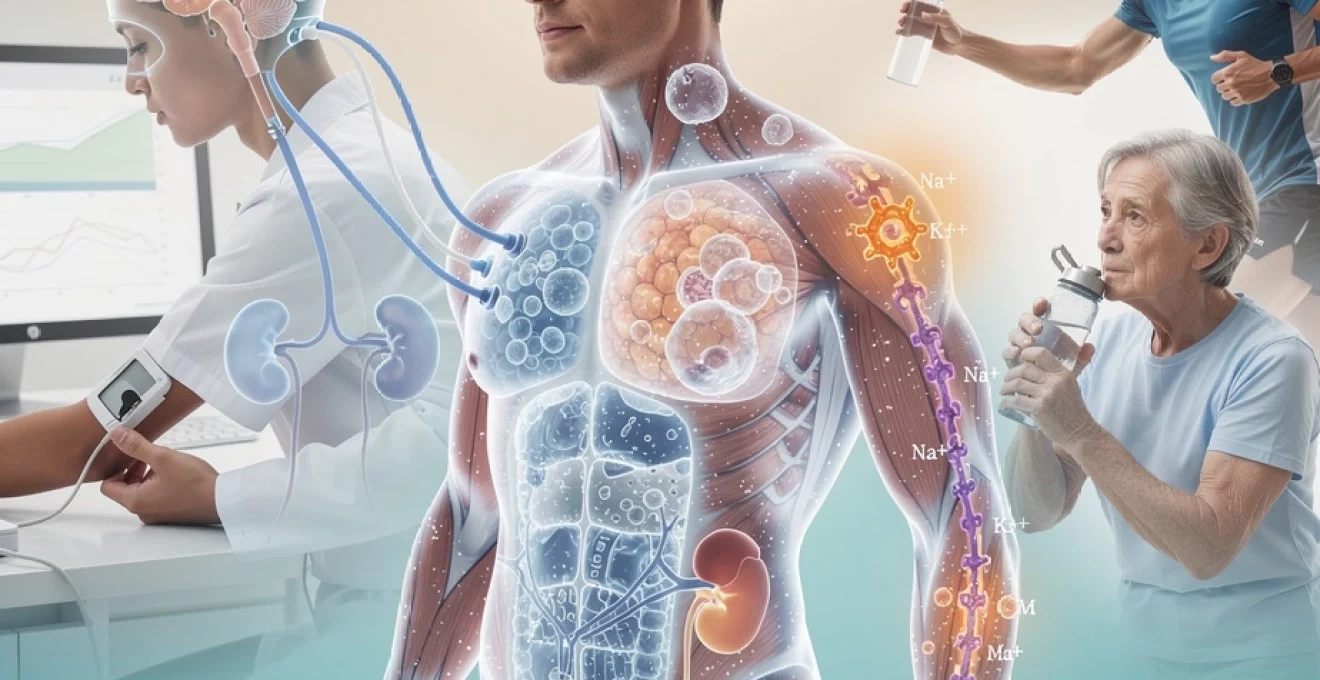
Water constitutes approximately 60% of adult body weight, making proper hydration fundamental to virtually every physiological process. From maintaining cellular integrity to regulating body temperature, adequate fluid balance serves as the cornerstone of optimal health and performance. The intricate mechanisms governing hydration extend far beyond simply drinking water, encompassing complex hormonal pathways, electrolyte dynamics, and cellular transport systems that work in harmony to maintain homeostasis. Understanding these sophisticated processes becomes increasingly crucial as research continues to reveal the profound impact of hydration status on cognitive function, physical performance, and long-term health outcomes.
Physiological mechanisms of cellular hydration and homeostatic regulation
The human body maintains fluid balance through an elaborate network of physiological mechanisms that respond to even minute changes in hydration status. These regulatory systems operate continuously, adjusting water retention, distribution, and excretion to preserve optimal cellular function. The sophistication of these mechanisms reflects the critical importance of maintaining precise fluid balance for survival and optimal performance.
Osmotic pressure dynamics in intracellular and extracellular fluid compartments
Osmotic pressure serves as the primary driving force for water movement between cellular compartments. This fundamental principle governs how water distributes itself throughout the body, responding to concentration gradients of dissolved particles called solutes. When osmotic pressure increases in one compartment, water moves from areas of lower concentration to higher concentration until equilibrium is restored.
The extracellular fluid compartment, comprising approximately 20% of body weight, includes both interstitial fluid surrounding cells and plasma within blood vessels. Meanwhile, intracellular fluid accounts for roughly 40% of body weight and contains the water within cells themselves. The delicate balance between these compartments determines cellular function, with even small disruptions potentially leading to significant physiological consequences.
Sodium primarily regulates extracellular fluid volume, whilst potassium maintains intracellular fluid balance. This distribution creates the foundation for cellular membrane potential and enables proper nerve transmission, muscle contraction, and countless other vital processes. Understanding these dynamics helps explain why both overhydration and dehydration can prove equally problematic for optimal body function.
Antidiuretic hormone (ADH) and Aldosterone-Mediated water retention pathways
Antidiuretic hormone, also known as vasopressin, represents one of the body’s most powerful tools for conserving water. Released by the posterior pituitary gland in response to increased blood osmolality or decreased blood volume, ADH acts directly on the kidneys to increase water reabsorption. This hormone modifies the permeability of collecting ducts in the nephrons, allowing more water to be retained whilst maintaining electrolyte balance.
Aldosterone, a mineralocorticoid hormone produced by the adrenal cortex, works synergistically with ADH to maintain fluid balance. This hormone primarily regulates sodium retention, which indirectly affects water balance through osmotic mechanisms. When aldosterone levels increase, the kidneys retain more sodium, subsequently leading to increased water retention to maintain proper osmotic balance.
The coordination between these hormonal systems demonstrates the body’s remarkable ability to maintain homeostasis. Research indicates that these mechanisms can detect changes in blood osmolality as small as 1-2%, triggering appropriate responses to restore balance. This precision underscores why proper hydration strategies must consider both water intake and electrolyte balance rather than focusing solely on fluid volume.
Aquaporin channel function in membrane water transport
Aquaporin channels represent specialised membrane proteins that facilitate rapid water transport across cellular membranes. These molecular water channels enable cells to respond quickly to osmotic changes, allowing for precise regulation of cellular volume and function. Thirteen different types of aquaporins have been identified in human tissues, each serving specific roles in water transport and regulation.
Aquaporin-2 (AQP2) channels in the kidney collecting ducts play a particularly crucial role in water balance regulation. ADH directly affects the insertion of AQP2 channels into the apical membrane, dramatically increasing water permeability when conservation is needed. This mechanism allows the kidneys to concentrate urine and conserve water during periods of dehydration or increased water demand.
Beyond the kidneys, aquaporins are also expressed in the brain, salivary glands, gastrointestinal tract and skin, highlighting how systemic water transport truly is. Disruption of aquaporin expression or function has been linked to conditions such as brain oedema, dry eye syndromes and impaired sweat production, all of which illustrate how tightly controlled membrane water transport must be to maintain body balance. For everyday hydration strategies, this means that the water you drink is not simply absorbed and stored; it is constantly moving through finely tuned channels that respond to your internal environment in real time.
Renin-angiotensin-aldosterone system (RAAS) response to dehydration
The renin-angiotensin-aldosterone system (RAAS) provides another crucial layer of control in the body’s response to dehydration and low blood pressure. When blood volume or blood pressure drops, specialised cells in the kidneys release the enzyme renin, which initiates a cascade transforming angiotensinogen (produced by the liver) into angiotensin II. Angiotensin II is a potent vasoconstrictor, narrowing blood vessels to increase blood pressure whilst also stimulating thirst and aldosterone release.
Through aldosterone, RAAS promotes sodium and water reabsorption in the kidneys, helping to restore circulating volume and stabilise blood pressure. This system becomes particularly important during acute fluid losses, such as heavy sweating, vomiting or diarrhoea, when rapid compensation is required to protect vital organs. However, chronic overactivation of RAAS, often seen in hypertension and heart failure, can contribute to fluid retention and oedema, illustrating the fine balance between protective and pathological responses.
From a practical perspective, understanding RAAS highlights why maintaining steady hydration is preferable to repeated cycles of dehydration and overcorrection. These hormonal systems are designed to respond to genuine threats to blood volume, not to compensate for inconsistent daily drinking habits. By aiming for regular fluid intake and paying attention to early signs of thirst and fatigue, you help minimise unnecessary stress on RAAS and support more stable cardiovascular and kidney function.
Electrolyte balance and mineral cofactor requirements for optimal hydration
Optimal hydration is not solely about how much water you drink, but also about how effectively your body can hold and use that water. Electrolytes and key minerals act as cofactors in countless reactions that govern fluid distribution, nerve conduction and muscle function. When these minerals are imbalanced, you can feel “dehydrated” even if your water intake appears adequate, because fluid is not correctly distributed between compartments.
Sodium, potassium, magnesium, calcium and chloride are central to this process, whilst trace minerals such as zinc, selenium and chromium indirectly influence hydration through their roles in metabolism and cellular signalling. Think of electrolytes as the ‘traffic controllers’ of your body’s water highways, directing where fluid should go and how it should move in and out of cells. By supporting healthy electrolyte balance through both diet and sensible hydration practices, you give your cells the conditions they need to maintain steady homeostasis.
Sodium-potassium ATP pump efficiency in fluid distribution
The sodium-potassium ATP pump (Na⁺/K⁺-ATPase) is a membrane-bound enzyme that actively transports sodium out of cells and potassium into cells, using energy from ATP. This pump maintains the steep concentration gradients of sodium and potassium that underlie nerve transmission, muscle contraction and fluid distribution. By moving three sodium ions out for every two potassium ions in, the pump also contributes to the cell’s electrical charge and osmotic balance.
When the sodium-potassium pump operates efficiently, intracellular and extracellular fluid compartments remain stable, preventing excessive cell swelling or shrinkage. Insufficient dietary potassium, excessive sodium intake or impaired ATP production (for example, through chronic fatigue or metabolic disease) can all compromise pump performance. The result may be fluid retention, cramps, fatigue or an increased sense of “heaviness” despite adequate hydration.
To support Na⁺/K⁺-ATPase and healthy fluid distribution, you can focus on a diet rich in potassium-containing foods such as leafy greens, beans, potatoes and fruit, whilst moderating highly processed, high-sodium products. For many people, improving electrolyte quality rather than simply increasing water intake leads to more stable energy levels and a more comfortable hydration status during everyday activity and exercise.
Magnesium and calcium ion interactions in muscle hydration
Magnesium and calcium act as complementary partners in muscle function, including the way muscles respond to hydration status. Calcium triggers muscle contraction, whilst magnesium is required for relaxation and for the proper function of ATP-dependent pumps that reset muscle cells after contraction. When calcium and magnesium are out of balance, muscles may become prone to cramping, tightness or twitching, especially during or after exercise in hot conditions.
From a hydration perspective, magnesium also plays a role in stabilising cell membranes and supporting potassium retention inside cells. Low magnesium status can therefore indirectly worsen potassium loss, making it harder for the body to maintain intracellular fluid volume. This is one reason why individuals who sweat heavily or follow restrictive diets may experience recurrent cramps or fatigue, even when they feel they are “drinking plenty of water.”
Including magnesium-rich foods such as nuts, seeds, whole grains and dark leafy vegetables, alongside calcium sources like dairy, fortified plant milks or small bony fish, helps maintain this mineral partnership. For athletes or people with high sweat losses, targeted magnesium intake, under professional guidance, can support muscle hydration, reduce cramp risk and enhance perceived recovery after strenuous sessions.
Chloride transport mechanisms and Acid-Base buffer systems
Chloride is often overlooked compared with sodium or potassium, yet it is essential for proper hydration and acid-base balance. As the major negatively charged ion (anion) in extracellular fluid, chloride works with sodium to maintain osmotic pressure and fluid distribution outside cells. It also participates in the “chloride shift” in red blood cells, which helps regulate carbon dioxide transport and blood pH.
Chloride transporters and channels in cell membranes allow chloride to move in response to electrical and chemical gradients, supporting nerve signalling and gastric acid production. When chloride levels are significantly disturbed, the body’s ability to regulate pH and fluid balance can be compromised, potentially leading to symptoms such as weakness, confusion or altered breathing patterns in severe cases. Although such disturbances are usually linked to illness or medication, they underscore chloride’s importance in systemic hydration.
In practical terms, most people obtain adequate chloride through dietary salt (sodium chloride) and do not need to seek it out specifically. However, very low-salt diets, prolonged vomiting, or heavy, uncorrected sweat losses can all affect chloride status. Balancing salt intake with a high intake of potassium-rich plant foods supports both healthy blood pressure and robust acid-base buffer systems, which in turn contribute to more stable hydration.
Trace mineral absorption: zinc, selenium, and chromium in water metabolism
Trace minerals such as zinc, selenium and chromium do not directly move water across membranes, but they influence how efficiently the body uses energy and handles oxidative stress, both of which affect hydration indirectly. Zinc is involved in hundreds of enzymatic reactions, including those related to cell membrane integrity and hormone production. Adequate zinc status supports healthy skin and gut barriers, which are crucial interfaces for fluid regulation and loss.
Selenium plays a central role in antioxidant defence systems that protect cells from oxidative damage, especially during intense exercise or illness. Oxidative stress can impair membrane function and mitochondrial efficiency, reducing the body’s ability to maintain hydration and energy production under pressure. Chromium contributes to insulin signalling and glucose metabolism, which are closely linked to cellular energy availability and, consequently, to the activity of ATP-dependent pumps that govern fluid balance.
From a nutritional standpoint, a varied diet including seafood, nuts, seeds, whole grains and legumes typically provides sufficient amounts of these trace minerals for healthy individuals. For those with restricted diets, gastrointestinal conditions or high physical demands, professional assessment may help determine whether targeted trace mineral support could improve overall metabolic resilience and hydration efficiency, particularly during periods of stress or heavy training.
Clinical assessment methods for hydration status evaluation
Whilst everyday hydration can often be monitored using simple cues such as thirst and urine colour, clinical and performance settings call for more objective methods. Healthcare professionals and sports scientists use a range of tools to evaluate hydration status and total body water, from non-invasive field tests to detailed laboratory measurements. Each method has strengths and limitations, and results are most meaningful when interpreted in combination rather than in isolation.
Understanding how hydration is assessed can help you interpret advice more critically, especially if you are an athlete, work in a hot environment, or care for vulnerable individuals such as older adults or young children. It also highlights why a single number on a scale or a one-off measurement is rarely enough to summarise the complex and dynamic nature of fluid balance. Instead, consistent trends over time offer the most useful insight into how well your hydration strategies are working.
Bioelectrical impedance analysis (BIA) for total body water measurement
Bioelectrical impedance analysis (BIA) estimates body composition by passing a very small, safe electrical current through the body and measuring the resistance (impedance) encountered. Because water and electrolytes conduct electricity better than fat tissue, BIA devices can approximate total body water and, by extension, lean mass and fat mass. In research and clinical practice, multi-frequency or segmental BIA systems provide more detailed assessments of fluid distribution between intracellular and extracellular compartments.
BIA can be a helpful tool for monitoring hydration trends, particularly in athletes, hospital patients or individuals with conditions that predispose them to fluid imbalance. However, results are influenced by recent fluid intake, food consumption, skin temperature and physical activity, which means standardised testing conditions are essential for meaningful comparison. For everyday users, consumer-grade BIA scales can offer a rough guide but should not be treated as precise diagnostic instruments.
If you use BIA regularly, aim to test at the same time of day, under similar conditions, such as in the morning before eating or exercising. Tracking changes over weeks rather than obsessing over single readings offers a better view of whether your hydration and nutrition strategies are supporting stable total body water and healthy body composition.
Urine specific gravity testing and osmolality interpretation
Urine-specific gravity (USG) and urine osmolality are common ways to assess hydration status by analysing the concentration of solutes in urine. USG compares the density of urine to that of pure water, with higher values indicating more concentrated urine and, typically, lower hydration status. In many sports and clinical settings, a USG value below around 1.020 is often used as a rough indicator of adequate hydration, although exact thresholds can vary.
Urine osmolality, measured in milliosmoles per kilogram (mOsm/kg), provides a more precise assessment of solute concentration, reflecting how intensively the kidneys are conserving water. High osmolality suggests the body is holding onto water in response to dehydration, whilst low values may indicate overhydration or an inability to concentrate urine. These measures are particularly useful when monitoring groups of athletes, patients on intravenous fluids, or individuals taking medications that affect kidney function.
For practical self-monitoring, most people will not have access to laboratory osmolality testing, but simple USG dipsticks or even careful observation of urine colour can still be informative. Clear to pale straw-coloured urine usually reflects good hydration, whereas persistently dark, strongly scented urine may signal a need to increase fluid intake or seek medical advice, especially if accompanied by symptoms such as dizziness or confusion.
Plasma osmolality reference ranges and clinical significance
Plasma osmolality reflects the concentration of solutes such as sodium, glucose and urea in the blood, providing a direct snapshot of the body’s overall fluid balance. In healthy adults, normal plasma osmolality typically ranges from about 275 to 295 mOsm/kg. Values above this range may indicate dehydration or hypernatremia, whereas lower values can suggest overhydration, hyponatremia or certain hormonal imbalances.
Because plasma osmolality closely influences cell volume and brain function, significant deviations from the normal range can cause neurological symptoms, including headaches, confusion, seizures or, in severe cases, coma. This is why hospital teams monitor plasma osmolality in patients with severe dehydration, uncontrolled diabetes, kidney disease or those receiving large volumes of intravenous fluids. Rapid shifts in plasma osmolality are particularly dangerous, as cells may swell or shrink too quickly, leading to tissue damage.
For the average person, direct measurement of plasma osmolality is not part of routine health checks, but awareness of its significance reinforces the importance of moderate, consistent hydration. Drinking extremely large volumes of water in a short time or using aggressive “detox” regimens can dangerously dilute blood sodium and lower plasma osmolality, a condition known as hyponatremia. Balancing fluid intake with electrolyte needs, especially during prolonged exercise, helps protect against these rare but serious disturbances.
Skinfold turgor testing and capillary refill time assessment
Skin turgor testing and capillary refill time are simple bedside assessments often used in emergency and clinical settings to gauge hydration status and peripheral circulation. Skin turgor is evaluated by gently pinching a fold of skin, usually on the back of the hand or forearm, and observing how quickly it returns to its normal position. In well-hydrated individuals, the skin recoils immediately, whereas delayed return can indicate reduced skin elasticity often associated with dehydration.
Capillary refill time is assessed by pressing on a fingernail or area of skin until it blanches, then timing how long it takes for normal colour to return once pressure is released. In healthy adults, refill typically occurs within about two seconds; longer times may suggest poor peripheral perfusion related to low blood volume, shock or extreme cold exposure. These assessments are quick and non-invasive, making them valuable screening tools, especially in settings where laboratory testing is not immediately available.
However, both skin turgor and capillary refill can be influenced by age, environmental temperature and underlying skin conditions. In older adults, for example, reduced skin elasticity can give the impression of dehydration even when fluid status is adequate. For this reason, clinicians interpret these signs alongside other indicators such as heart rate, blood pressure, urine output and mental status to form a more complete picture of hydration.
Pathophysiology of Dehydration-Related metabolic dysfunction
Dehydration affects far more than just thirst and dry mouth; it can disrupt virtually every major metabolic pathway in the body. As plasma volume falls and blood becomes more concentrated, the heart must work harder to deliver oxygen and nutrients to tissues, whilst the kidneys increase water reabsorption to preserve circulating volume. This combination raises cardiovascular strain and reduces the efficiency of waste removal, contributing to fatigue and impaired performance even with mild fluid deficits of 1–2% of body weight.
At the cellular level, reduced hydration alters the activity of enzymes and transporters that depend on an optimal internal environment. Glycolysis, oxidative phosphorylation and other energy-producing processes may become less efficient, leading to early onset of fatigue during physical or cognitive tasks. Additionally, thicker blood and reduced plasma volume can compromise thermoregulation by limiting skin blood flow and sweat production, increasing the risk of heat exhaustion and heat stroke in hot environments or during intense exercise.
Over time, recurrent or chronic low-grade dehydration may contribute to kidney stone formation, urinary tract infections and, in susceptible individuals, reduced kidney function. There is also evidence linking inadequate habitual fluid intake with an increased risk of constipation, some metabolic disorders and impaired cognitive performance. Whilst dehydration is rarely the sole cause of these conditions, it can act as a significant aggravating factor, tipping vulnerable systems out of balance.
From a practical standpoint, this means that maintaining good hydration is not only about avoiding acute crises but also about supporting long-term metabolic resilience. By ensuring regular fluid intake, paying attention to early warning signs such as headaches and concentration lapses, and adjusting hydration strategies to climate and activity levels, you help protect the delicate metabolic machinery that keeps you energised and functioning well throughout the day.
Evidence-based hydration strategies for athletic performance optimisation
Athletes and physically active individuals place unique demands on their hydration systems due to increased sweat losses, elevated core temperatures and higher metabolic rates. Even a modest fluid loss of 2% of body weight can significantly impair endurance performance, cognitive function and technical skills, such as decision-making and coordination. Hence, evidence-based hydration strategies are essential components of any comprehensive training and performance plan.
Effective athletic hydration begins well before training or competition, continues throughout the session, and extends into the recovery phase. Rather than relying solely on thirst, which can lag behind actual fluid needs during intense exercise, athletes benefit from structured drinking plans tailored to their sweat rate, environmental conditions and sport-specific demands. These plans should also consider electrolyte replacement, particularly sodium, to reduce the risk of both dehydration and exercise-associated hyponatremia.
To get started, you can estimate your personal sweat rate by weighing yourself before and after a typical training session (without clothing changes), accounting for any fluids consumed. A loss of 1 kilogram roughly corresponds to 1 litre of fluid. This simple method helps you understand how much you typically lose and therefore how much you should aim to replace before, during and after similar workouts.
Age-specific hydration requirements and physiological adaptations
Hydration needs and physiological responses to fluid balance change across the lifespan, influenced by body composition, kidney function, hormonal regulation and behavioural factors. Infants and young children have a higher percentage of body water and a greater surface area-to-body-mass ratio, which increases their vulnerability to rapid fluid losses from fever, diarrhoea or hot environments. At the same time, they depend on caregivers to provide fluids and may not effectively communicate thirst, making proactive hydration especially important.
During adolescence and adulthood, hydration requirements are shaped by growth, physical activity and lifestyle. Teenagers involved in sport or outdoor activities can experience substantial sweat losses yet may neglect drinking due to distractions or limited access to fluids. Adults often face competing demands from work and family life, leading to irregular drinking patterns or over-reliance on caffeinated and sugar-sweetened beverages, which can complicate overall hydration and energy balance.
In older adulthood, several physiological changes converge to increase the risk of both dehydration and overhydration. Total body water decreases due to reduced muscle mass, the thirst sensation often becomes blunted, and kidney function may decline, reducing the ability to concentrate urine and conserve fluid. Some older adults also have difficulties swallowing or managing frequent trips to the bathroom, discouraging adequate fluid intake, particularly in care settings.
For each age group, tailored strategies can support better hydration and overall body balance. For children, routine offering of water, high-water foods such as fruit and vegetables, and accessible drink bottles at school and play are key. Adults can benefit from building fluid breaks into their daily routines, using cues such as meal times or work intervals to prompt drinking. Older adults may need support from family or caregivers to provide preferred beverages, monitor intake and adjust fluid timing around medications and sleep, always in consultation with healthcare professionals when chronic conditions are present.